sharp tooth pain that comes and goes what does it mean
Sharp pain that flashes and fades within seconds usually comes from exposed dentine (the sensitive layer under the enamel), an early cavity, a leaking filling or a cracked tooth. At this stage it is often still fixable with a simple treatment. If each episode starts lasting longer, begins without a trigger or wakes you at night, the nerve is getting involved and you should be seen soon.
"It comes and goes" describes most tooth pain, so on its own it does not tell us much. What helps is the detail: what sets it off, exactly where you feel it, and how long each jab lasts once the trigger is gone. Spend two days noticing those three things and you will walk into the clinic with half the diagnosis already done.
Five common patterns
- A zing with cold water, ice cream or sweets that vanishes in a few seconds. This is typical of dentine sensitivity from receding gums, worn enamel near the gum line, or an early cavity. The nerve is irritated but healthy.
- A sharp jab when you bite on something hard, sometimes worse as you let go. This is a classic sign of a cracked tooth. The two halves of the crack flex slightly and pinch the nerve. It often hurts only on one particular cusp, so it can be hard to find. Read more on cracked tooth syndrome.
- A sharp pain when food packs between two particular teeth. Fibrous food, such as mutton or sugarcane, gets wedged against the gum. The cause is usually a gap where two teeth meet, a cavity between them, or a broken filling edge.
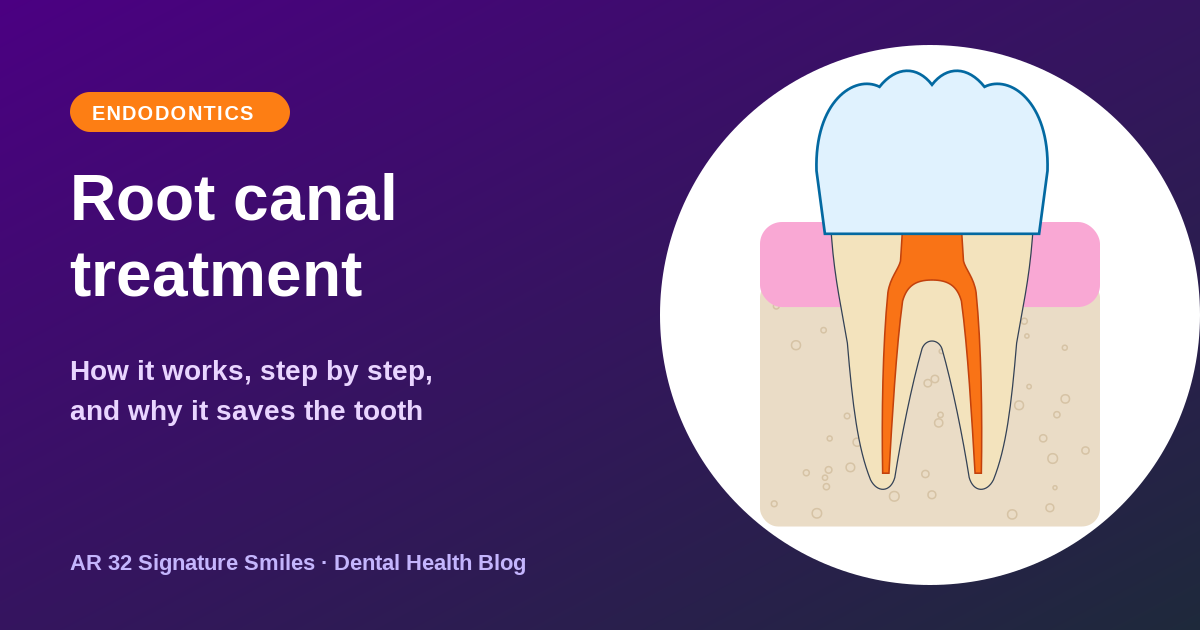
- A sharp twinge that is starting to linger, or arrives with no trigger at all. This suggests the pulp (the nerve and blood supply inside the tooth) is becoming inflamed. It is the pattern most likely to need root canal treatment if ignored.
- Electric-shock bursts in the cheek or jaw, set off by a light touch, shaving or a breeze, lasting seconds, with no single bad tooth. This is uncommon. It can be a nerve condition called trigeminal neuralgia rather than a dental problem, and drilling teeth does not fix it. That assessment belongs with our Oral Medicine department.
The time test
Count how long the pain stays after you stop drinking or biting. Pain that fades in a few seconds usually means a nerve that can recover once the cause is treated. Pain that keeps going for many seconds or minutes, or that throbs on its own afterwards, means the inflammation is deeper. That one detail often decides whether a filling will do or a root canal is needed.
What not to do
- Don't rely on sensitivity toothpaste for months without a check-up. It helps genuine sensitivity, but it can also mute the warning from a cavity or a crack while the damage grows.
- Don't chew only on the other side and hope. A cracked tooth can split further, and a split that runs below the gum may mean the tooth cannot be saved.
- Don't test the tooth repeatedly by biting on hard things to "see if it still hurts".
How we find the culprit
Intermittent pain is often missing on the day you come in, so your dentist tries to reproduce it. That can mean a cold test on each tooth, a bite test on one cusp at a time, checking old filling edges and taking a digital RVG X-ray. Bring your notes on what triggers it. The cause is not always obvious on the first visit. If it isn't, an honest dentist will say so and plan a review rather than drilling on a guess.
If you are trying to make sense of your symptoms first, our dental pain finder walks through the common patterns. When you are ready, book a consultation; our current published fee is ₹500, and the cost of any treatment is confirmed after examination.
Want this looked at properly?
Kharadi runs late. Reception will tell you honestly whether you need an appointment yet.
Book — Rs 500 ☎ 8484990678Related questions
Read the full guide
Complete articles from our dental health blog, written by our MDS panel.
 Dental emergenciesSevere toothache6 min read
 Root canal and endodonticsRoot canal treatment16 min read
 Teeth: anatomy and scienceTooth anatomy5 min read