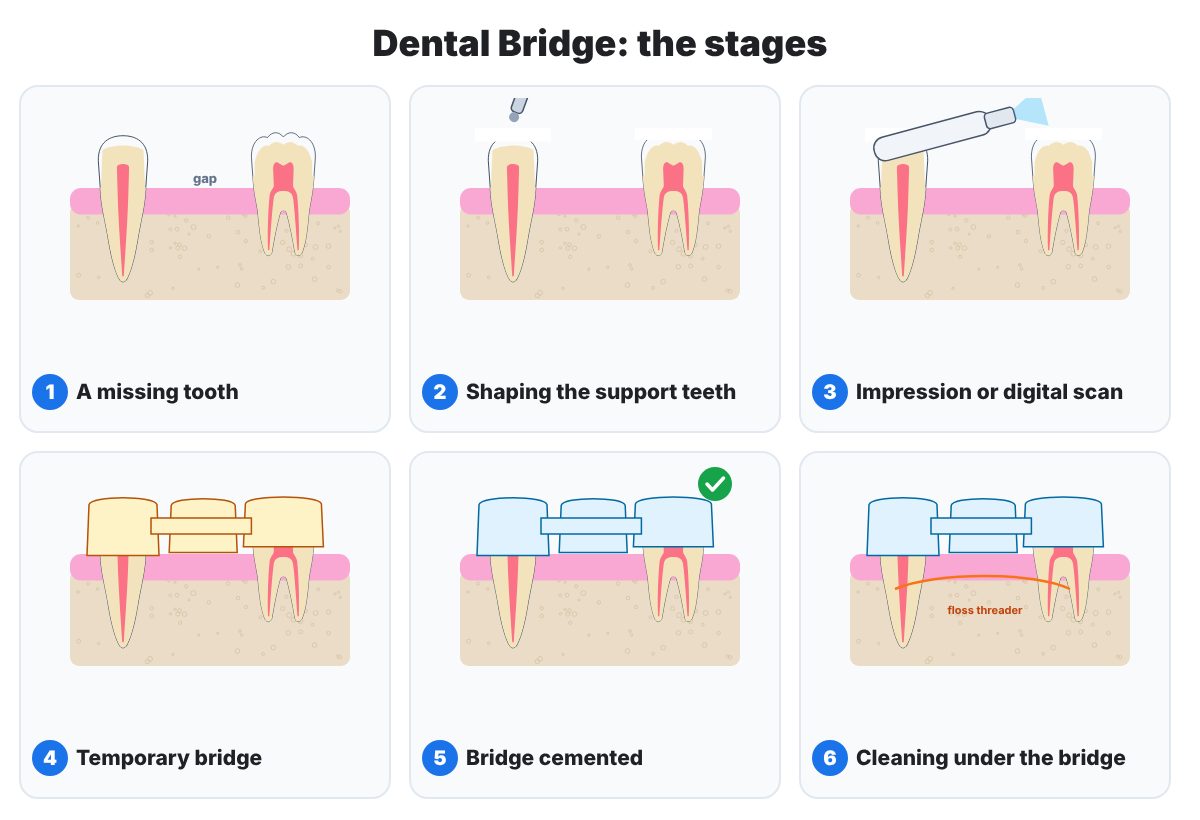
Dental Bridge Basics - the stages step by step

Dental Bridge Basics

A dental bridge is a fixed replacement for one or more missing teeth. It is made of crowns on the teeth either side of the gap - the abutments - joined to an artificial tooth in between, called a pontic. The whole bridge is cemented in place and is not removed for cleaning.

Bridges restore chewing, speech and appearance and stop neighbouring teeth drifting into the gap. They are completed in two or three visits, and are an alternative to a dental implant or a removable denture.

The 9 Steps of a Fixed Dental Bridge

Is a bridge the right way to replace my missing tooth?

The dentist examines the gap, the teeth either side and your bite, and discusses all the options: an implant, a bridge or a partial denture. A bridge is a good choice when the neighbouring teeth are strong and, ideally, already need crowns.

Why are X-rays taken of the teeth next to the gap?

The abutment teeth will carry the load of the missing tooth, so their roots, bone support and nerve health are checked on X-rays. Decay is treated, and a tooth with an infected nerve may need root canal treatment first.

Is preparing teeth for a bridge painful?

The abutment teeth are numbed with local anaesthetic, so preparation is comfortable. Teeth that have had root canal treatment may need little or no anaesthetic.

How much of my teeth will be trimmed?

A layer of enamel is shaped from all sides of each abutment tooth so that the crowns fit over them with enough thickness for strength. The amount depends on the material: metal-ceramic needs more space than solid zirconia.

How is the bridge made to fit?

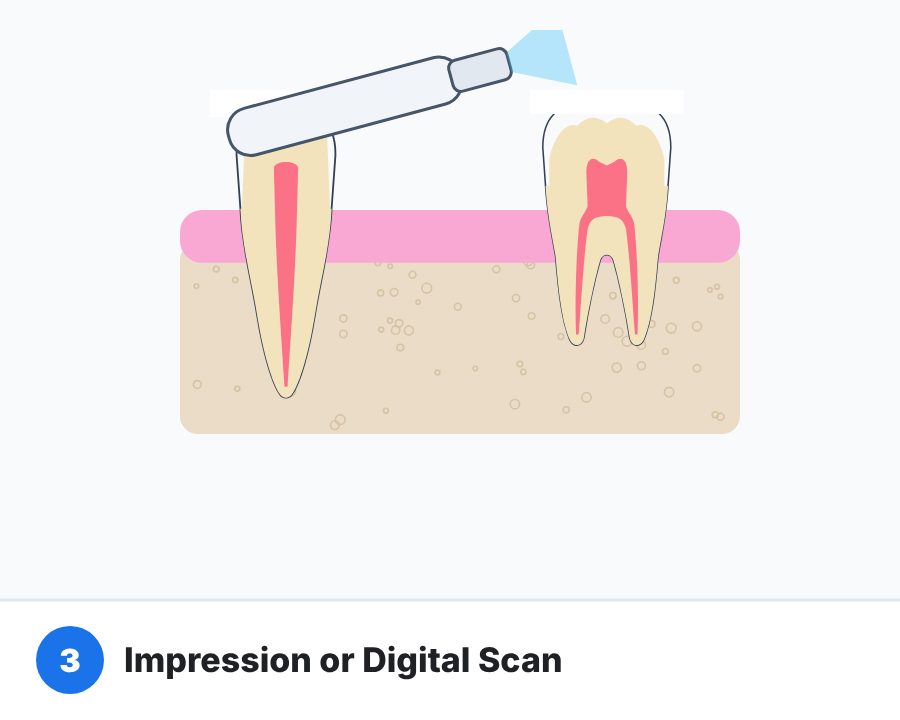
An accurate impression or intraoral scan records the prepared teeth, the gap and the opposing teeth, together with a record of your bite. The shade is matched to the neighbouring teeth in natural light.

Will I have a gap while the bridge is being made?

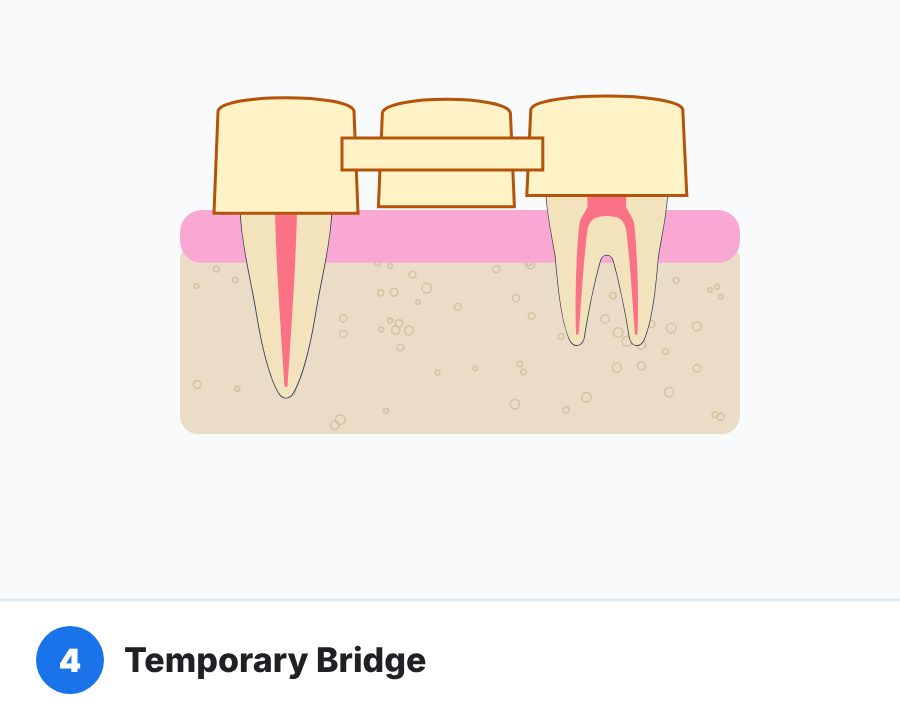
A temporary bridge is made and cemented with temporary cement. It protects the prepared teeth, keeps them comfortable, and fills the gap until the final bridge is ready.

How does the dentist check the final bridge?

The temporary bridge is removed and the final bridge is tried in. Its fit at the margins, contact with neighbouring teeth, the bite and the colour are checked, and adjustments are made before it is cemented.

How is a bridge fixed in place?

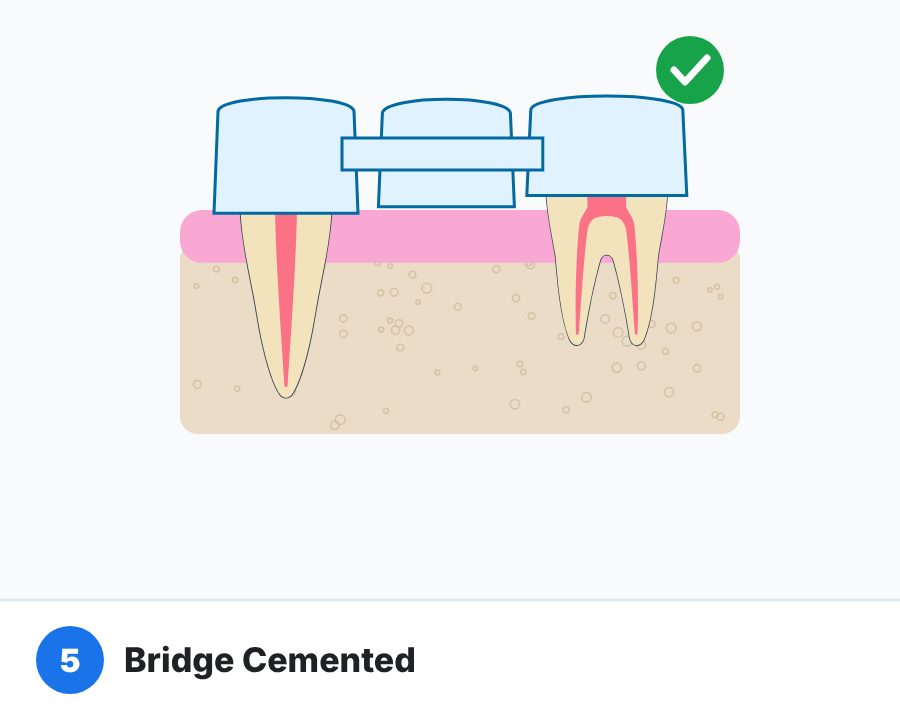
The bridge is cemented permanently onto the abutment teeth. Excess cement is cleaned away and the bite is checked again. The bridge can be used normally once the cement has set.

How do I clean under a bridge?

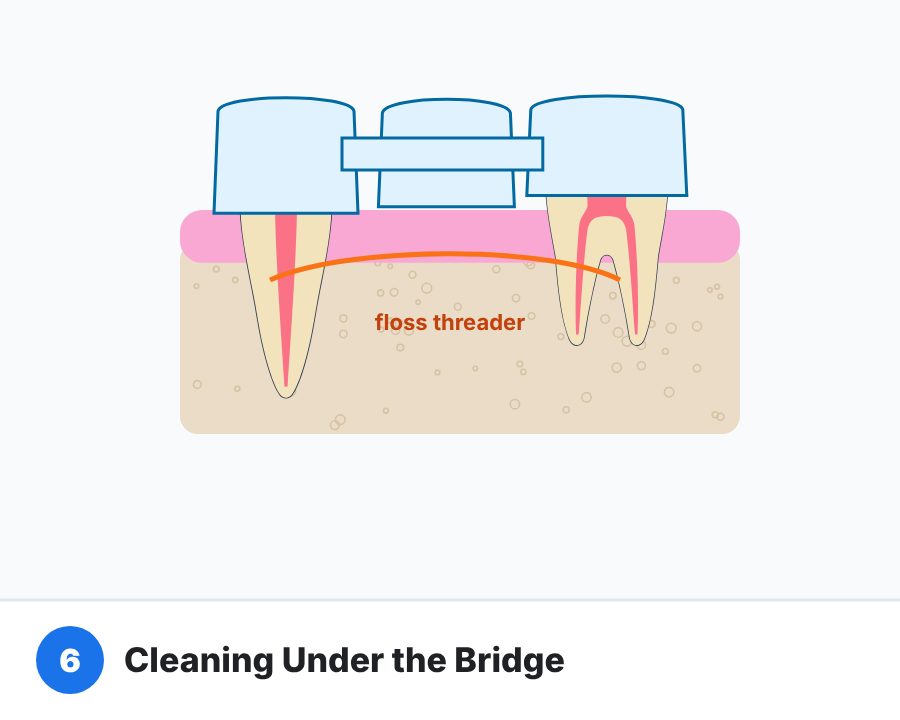
Food and plaque collect under the pontic, so it must be cleaned daily with a floss threader, superfloss or a small interdental brush. With good care and regular check-ups, bridges commonly last ten to fifteen years or more.
Visualizing the Clinical Procedure

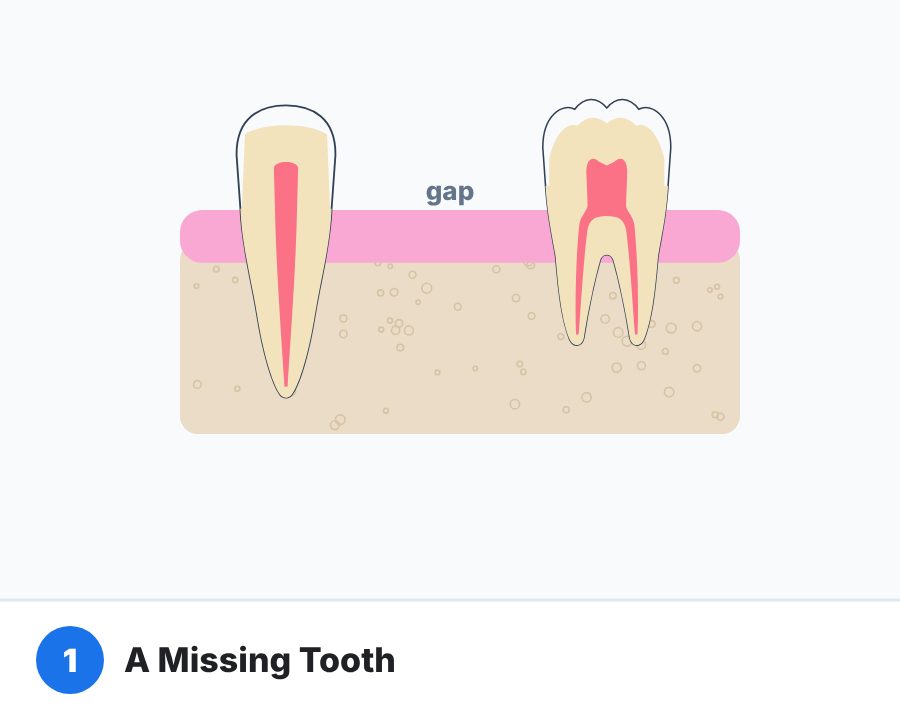
A Missing Tooth

1. A Missing Tooth

When a tooth is lost, the gap is more than a cosmetic problem. Neighbouring teeth tend to tip into the space, the opposing tooth can over-erupt, and chewing shifts to the other side.

A fixed bridge fills the gap using the teeth on either side as supports. The pontic - the replacement tooth - sits gently on the gum and restores the line of the teeth.

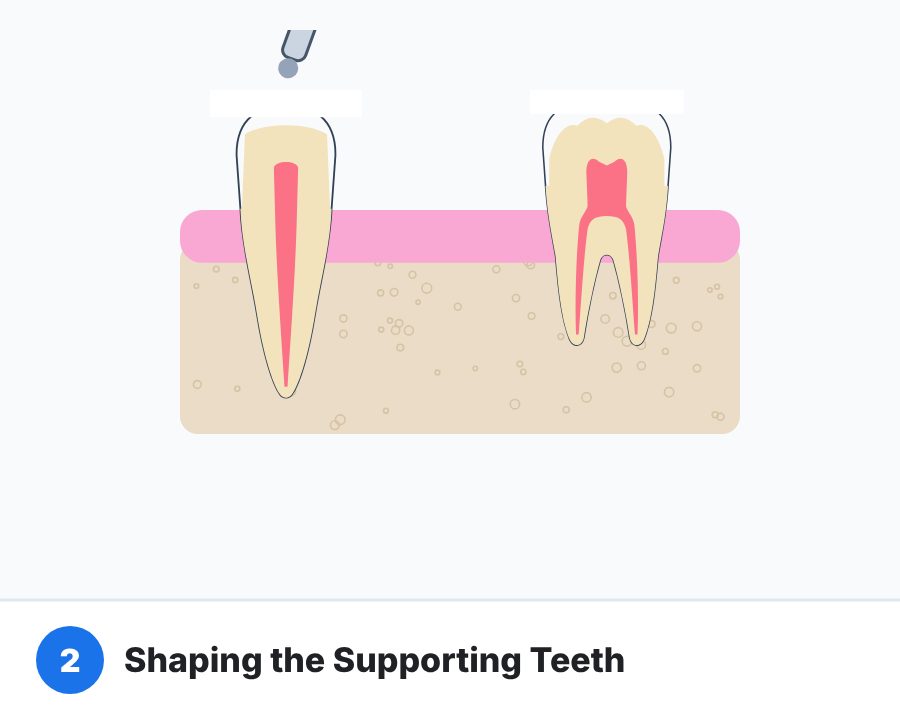
2. Shaping the Supporting Teeth

Each abutment tooth is reduced evenly on all sides under local anaesthesia, creating room for the crown that will cover it. The preparation is tapered slightly so the bridge can seat along one path.

Because healthy enamel is removed, a bridge is best suited where the abutment teeth already have large fillings or need crowns; where they are untouched, an implant may be the more conservative choice.

Shaping the Supporting Teeth
Impression or Digital Scan

3. Impression or Digital Scan

The prepared teeth, the gap and the opposing jaw are recorded with a precise impression or an intraoral scanner, along with a record of how the teeth meet.

The dental laboratory uses this record to design the bridge so that it fits the margins of each tooth accurately, matches the bite and leaves room to clean under the pontic.

4. Temporary Bridge

A temporary bridge is made in the chair from tooth-coloured acrylic or composite and cemented with a weak temporary cement.

It protects the prepared teeth from sensitivity, keeps the gum in shape around the gap, and lets you eat and smile normally while the final bridge is made. Avoid sticky foods on that side.

Temporary Bridge
Bridge Cemented

5. Bridge Cemented

At the final visit the temporary is removed, the teeth are cleaned and the bridge is tried in. Fit, contacts, bite and colour are checked and refined before it is permanently cemented.

Bridges may be made in porcelain fused to metal, or metal-free in zirconia. The choice depends on the span, the position in the mouth, the bite and appearance.

6. Cleaning Under the Bridge

A bridge cannot be flossed in the usual way because the teeth are joined. A floss threader or superfloss is passed under the pontic, or an interdental brush is used, to clean the underside and the gum beneath every day.

The supporting teeth can still decay at the crown margins, so regular check-ups and good cleaning are what make a bridge last.

Cleaning Under the Bridge