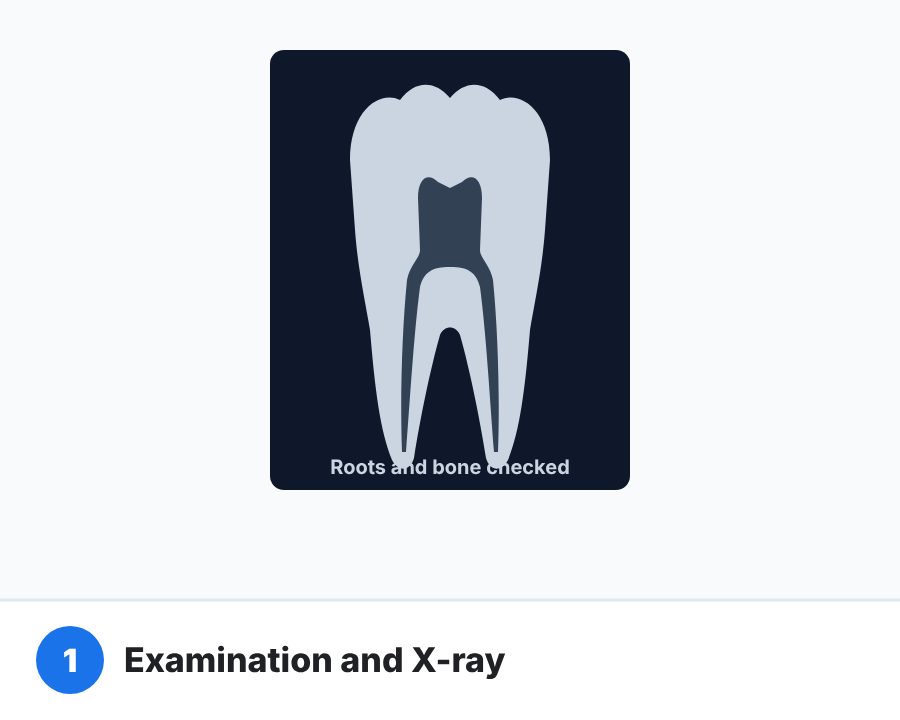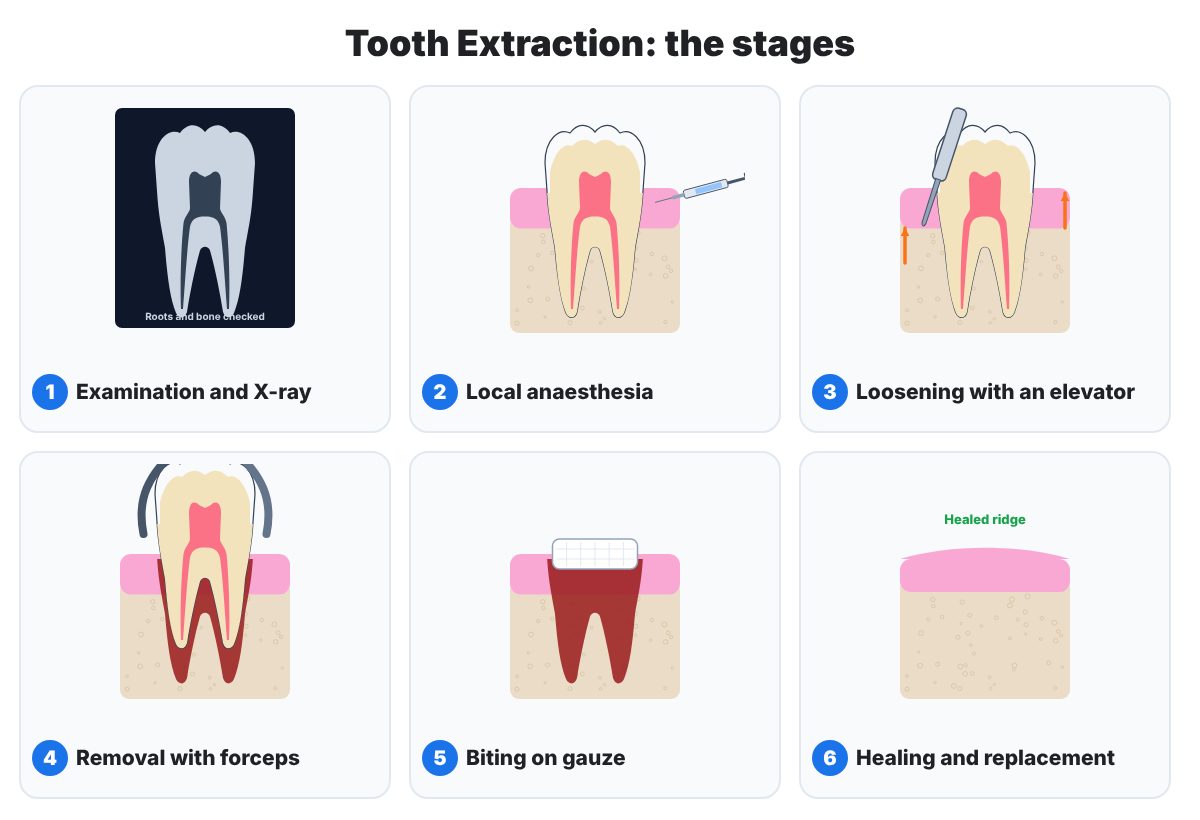
The tooth is examined and an X-ray is taken to see the number, shape and curvature of the roots, the condition of the surrounding bone, and how close the roots are to the sinus or the nerve in the lower jaw. Extraction is advised only when the tooth cannot be reliably saved.
Tell the dentist about all medicines, especially blood thinners, bone medicines such as bisphosphonates, steroids and diabetes medication, and about heart conditions and pregnancy. Most people should not stop blood thinners for a routine extraction; any change must be agreed with the prescribing doctor.
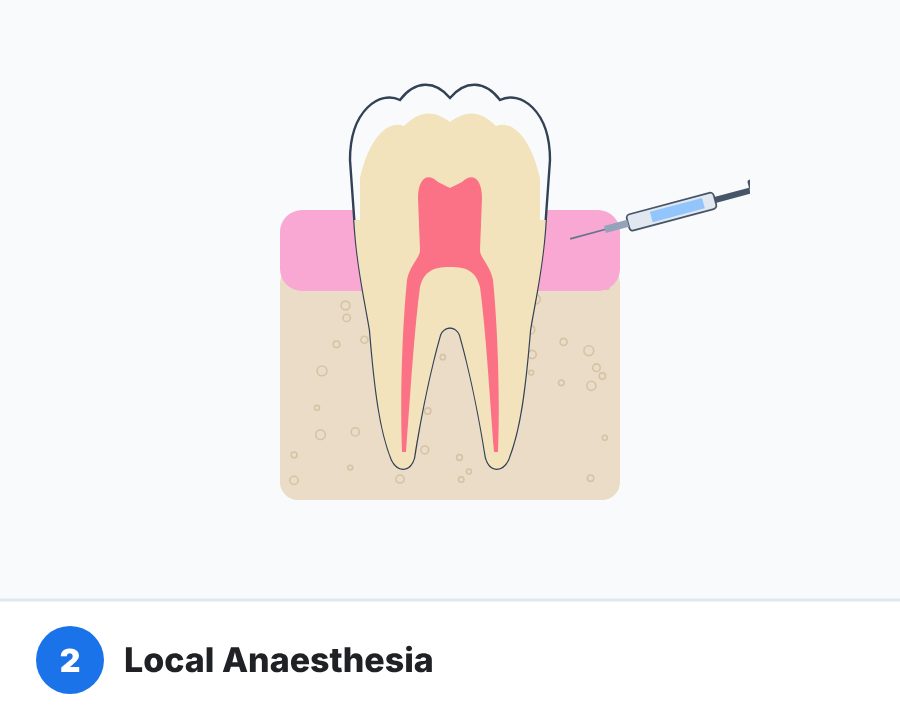
Local anaesthetic numbs the tooth, the surrounding gum and bone. Once it has taken effect you feel pressure and movement but not pain. Anxious patients can discuss additional options for comfort with the dentist.
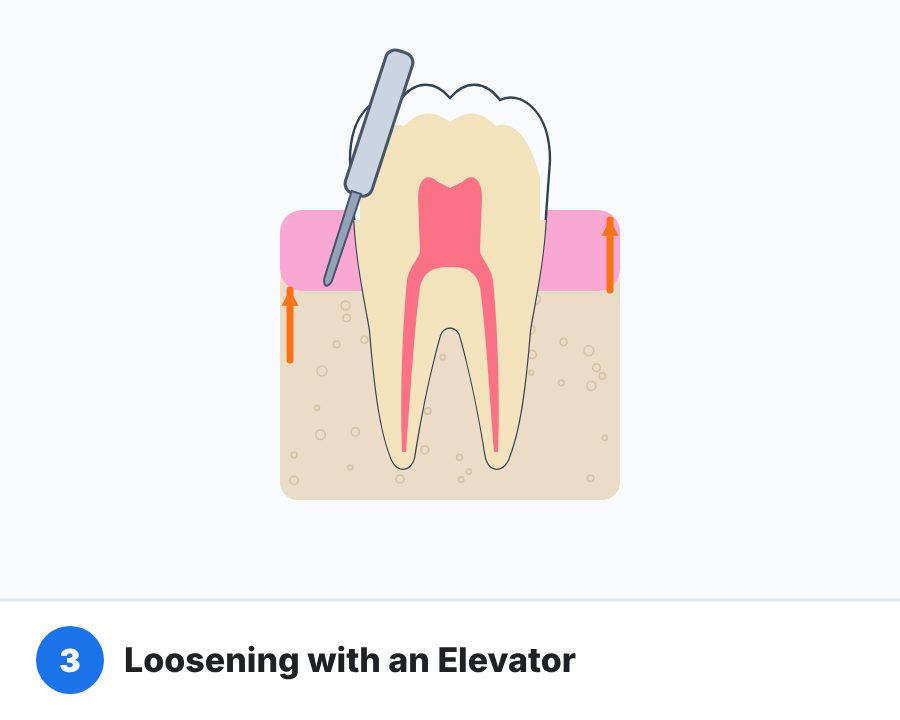
A narrow instrument called an elevator is placed between the tooth and the bone. Controlled pressure stretches the periodontal ligament that holds the tooth and gently widens the socket, so the tooth can be removed without excessive force.
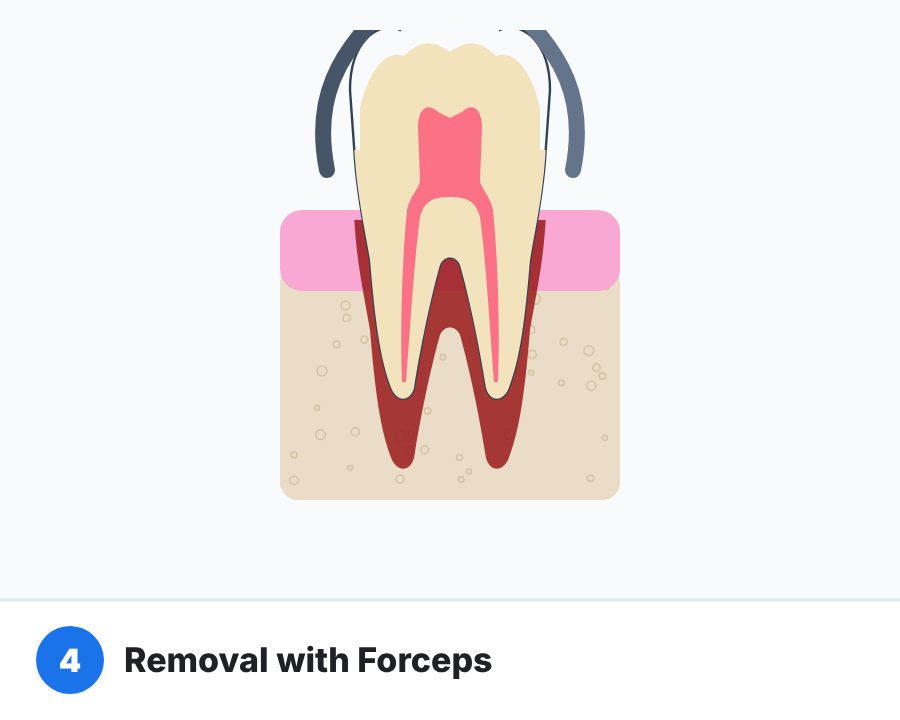
Forceps shaped for that particular tooth grip it at the root, and slow, steady movements expand the socket until the tooth is delivered. Teeth with curved or brittle roots, or broken at the gum line, may need a surgical extraction in which the tooth is divided into sections.
The socket is checked to make sure all of the root has been removed, any infected tissue is cleaned away, and sharp bone edges are smoothed. Stitches are placed if the gum needs support.
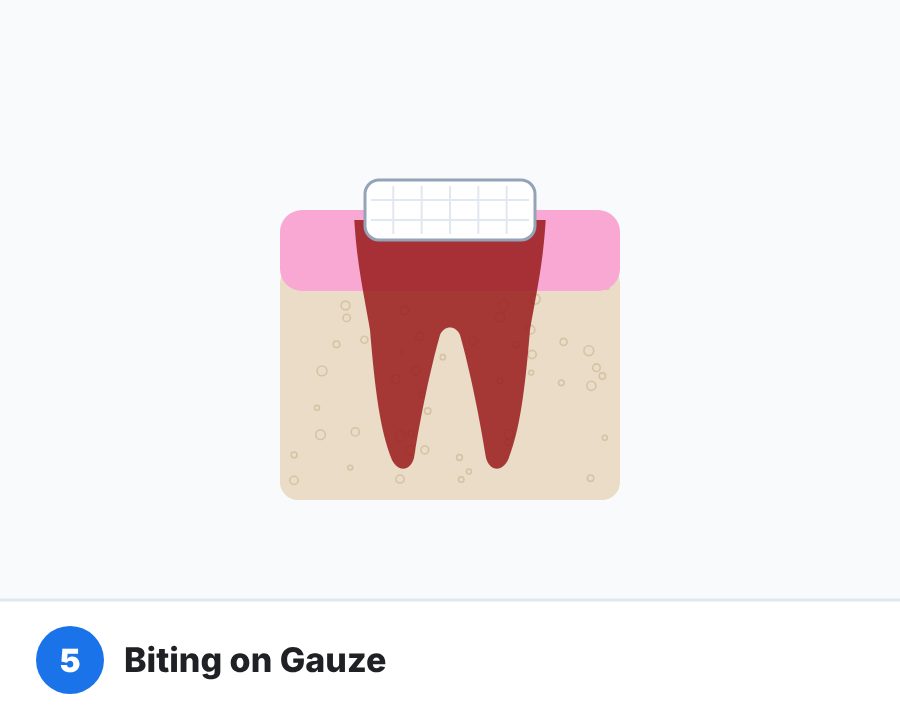
You bite firmly on a gauze pad for 30 to 60 minutes. The pressure stops the bleeding and allows a blood clot to form in the socket. The clot is the first stage of healing and must be protected.
For the first 24 hours do not rinse, spit forcefully, drink through a straw, smoke or take hot drinks or alcohol. Eat soft food on the other side. From the next day, rinse gently with warm salt water after meals. Take painkillers as advised.
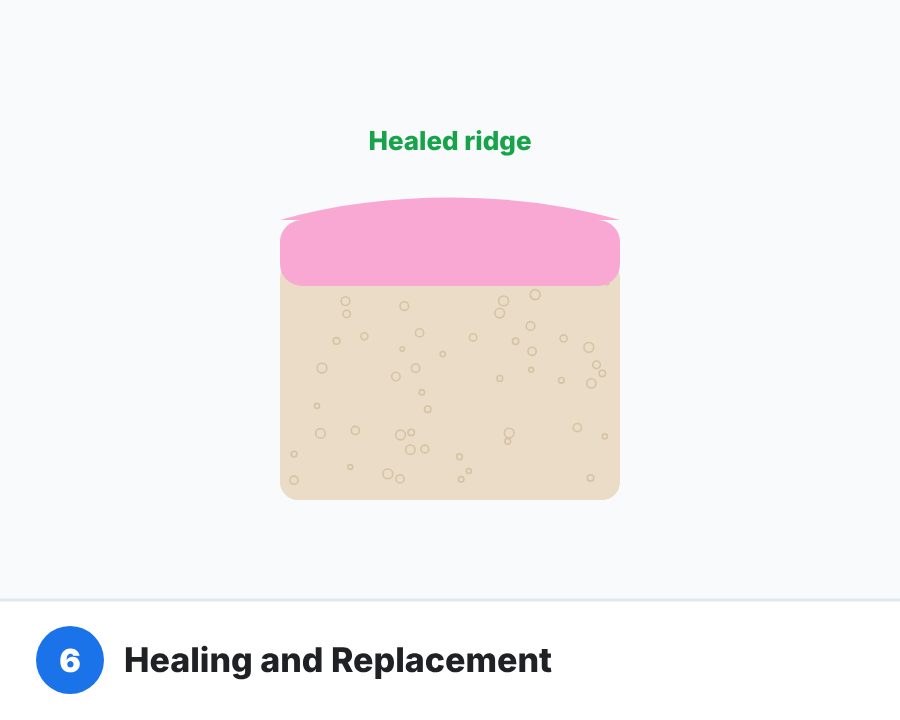
The gum closes over the socket in two to three weeks and the bone fills in over several months. If the tooth needs replacing, an implant, bridge or denture is planned; sometimes a bone graft is placed in the socket at the time of extraction to preserve it.