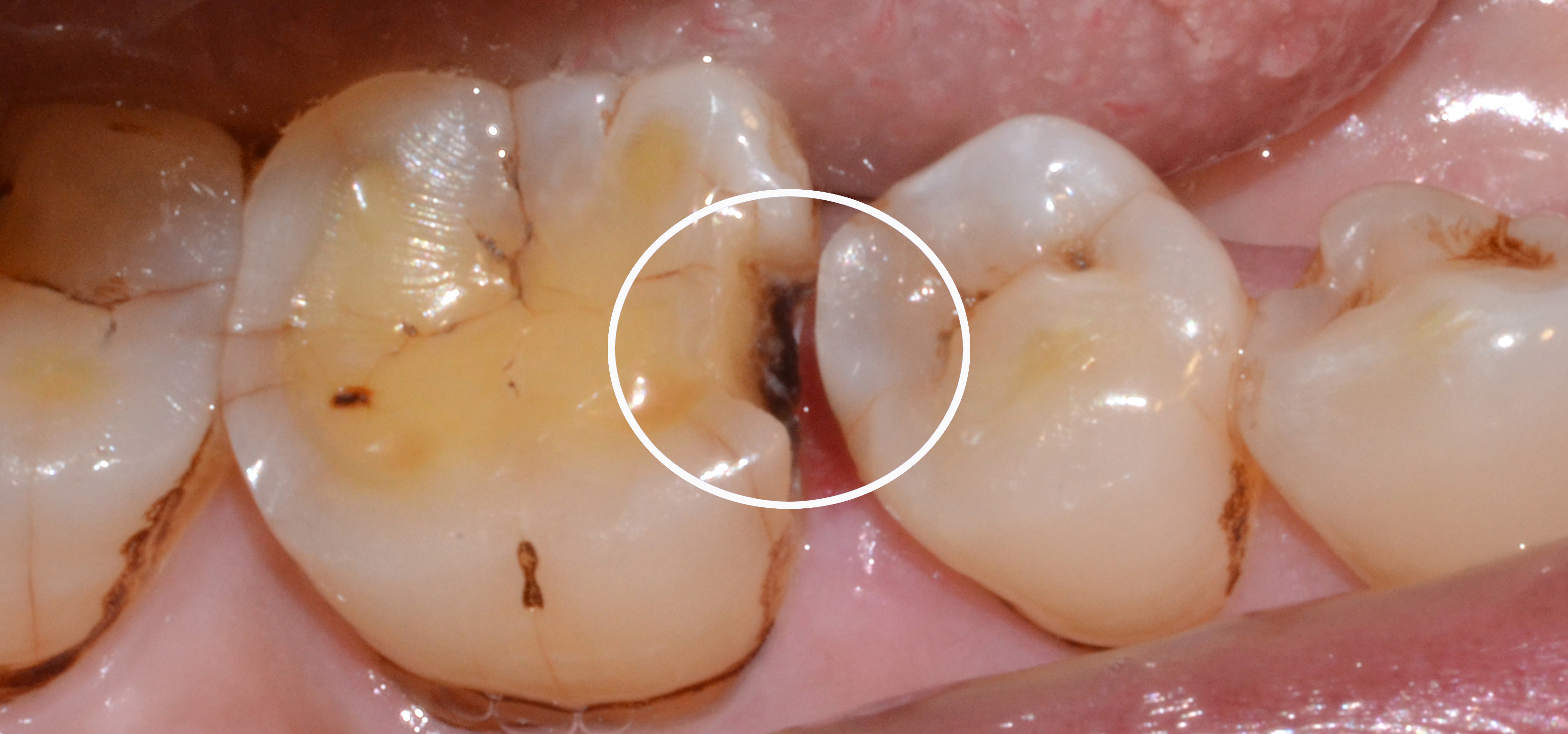
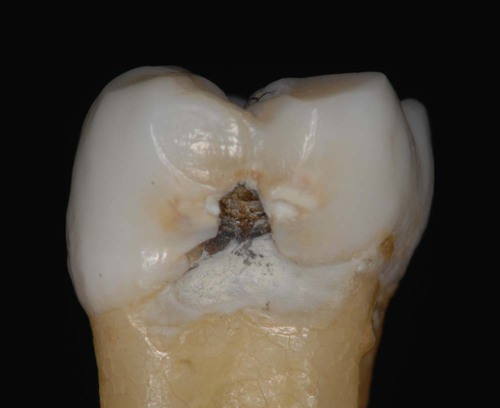
Dental caries in enamel
- What it takes at this stage
- Tooth restoration no cost given for this stage on the original chart
What you would see or feel
What do I do now?
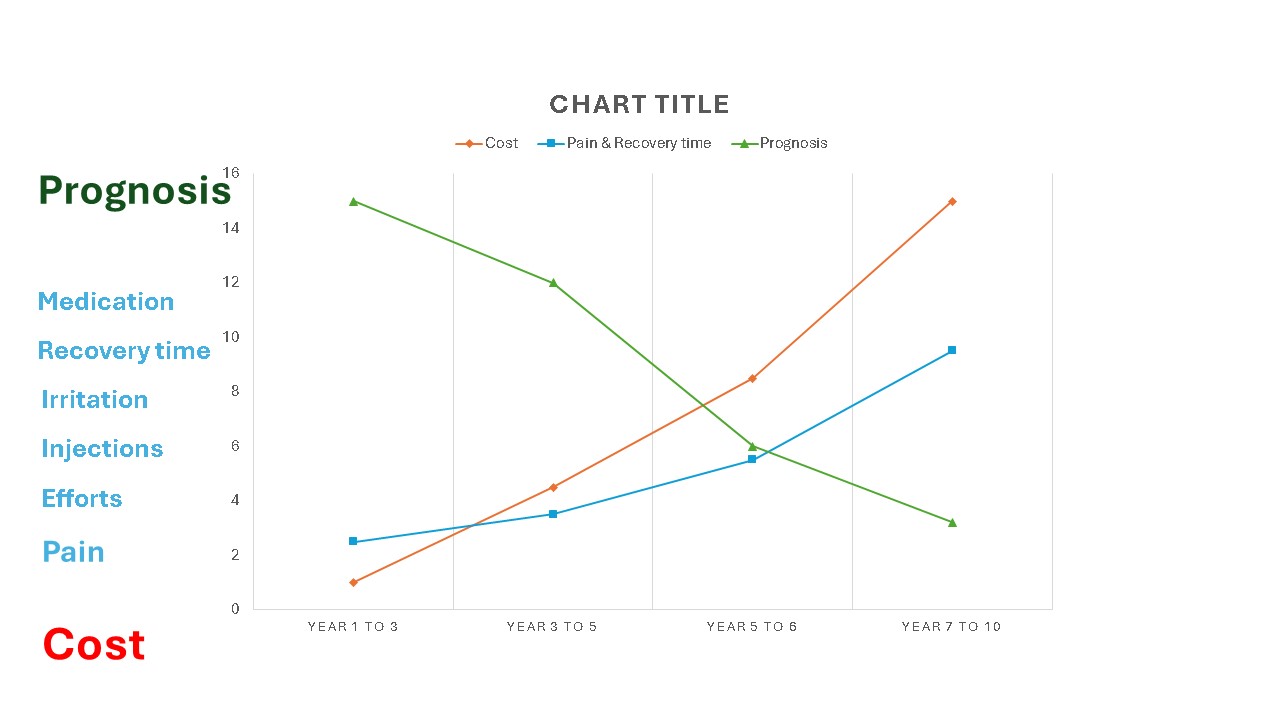
The treatment you need depends on your particular dental concerns — and, more than anything else, on when. Below is the same untreated tooth at seven points over eight years, with what you would see, what it takes to fix and what that costs at each. The chart is the argument for coming early, and it is not a gentle one.
Most people arrive here from step 4 having found a likely cause. This is what happens next, and the honest answer is that it depends almost entirely on how long it is left.
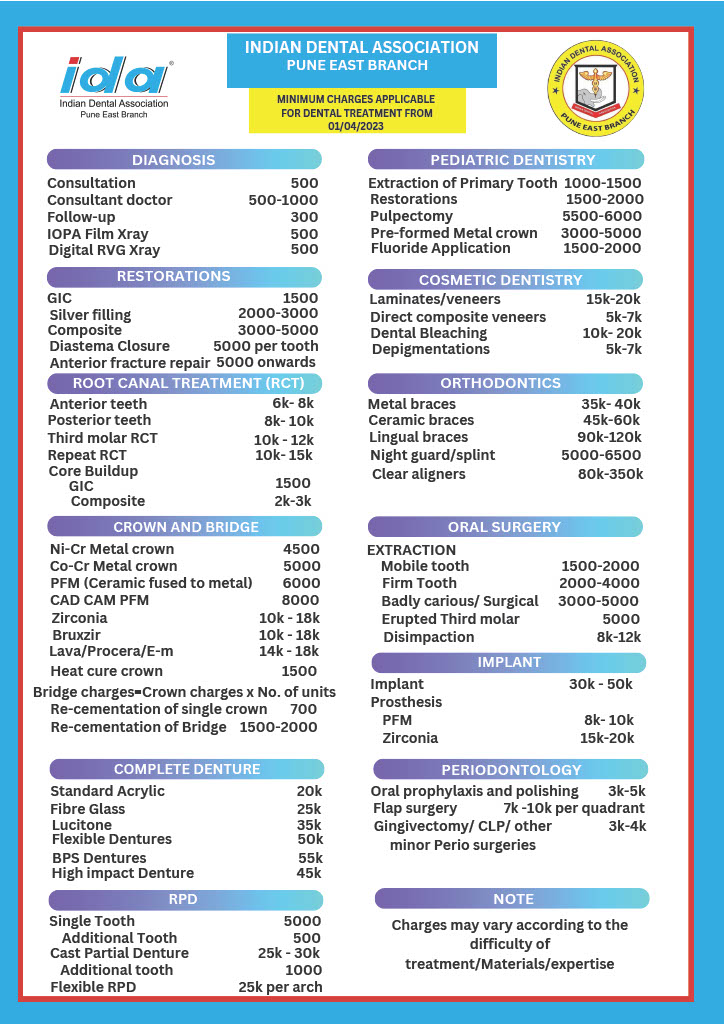
Two warnings before you scroll. First, the years on each stage are a typical progression, not a promise — decay moves faster in some mouths and slower in others, and nothing here is a diagnosis of your tooth. Second, the prices are what these treatments cost at AR 32 today, listed so that you can see the shape of the curve. The shape is the point.
The same tooth costs about forty-three times more to deal with at the end of this chart than at the beginning — and the outcome at the end is a tooth you no longer have. That is the entire reason this page exists.
The same tooth, eight years
or
or
or
Questions
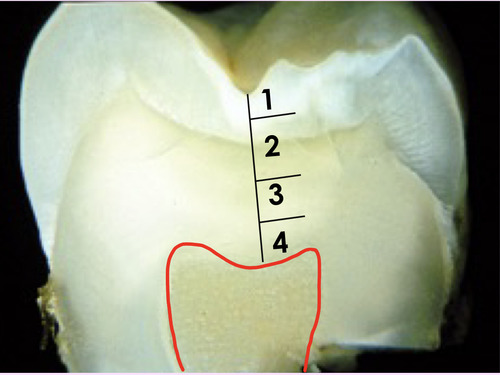
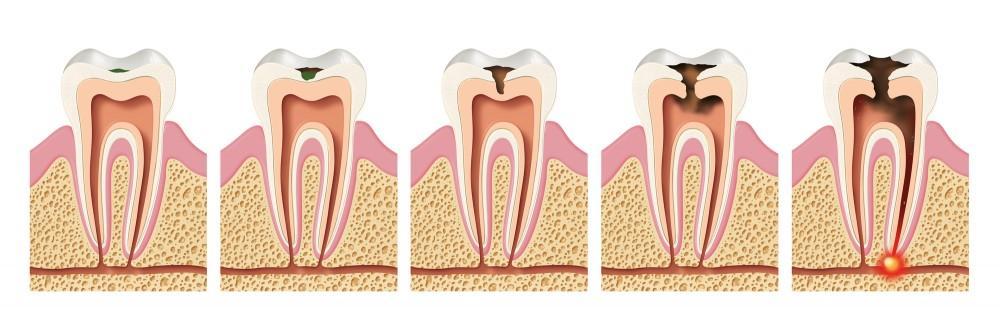
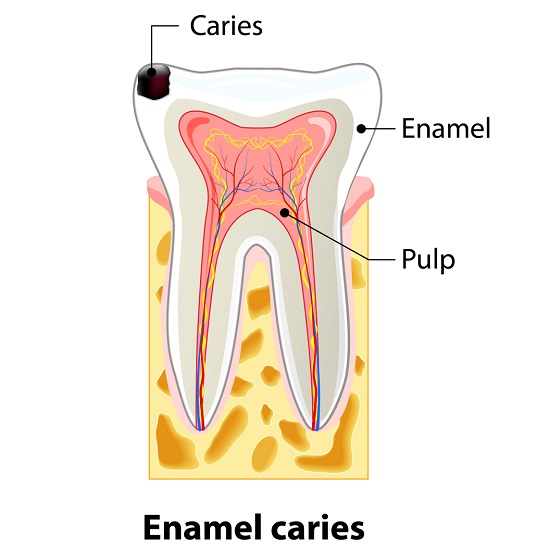
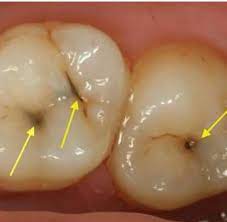
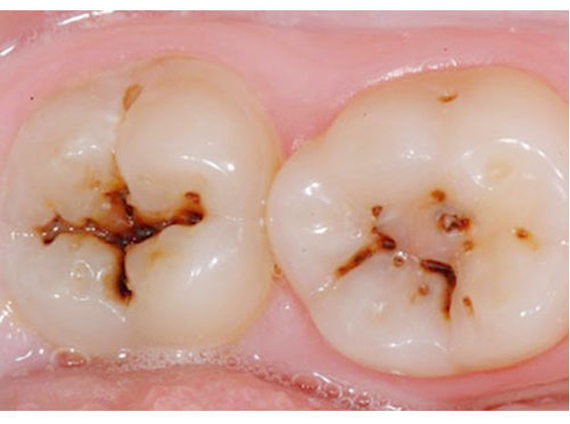
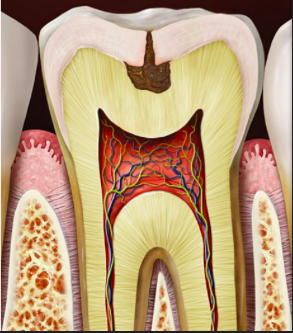
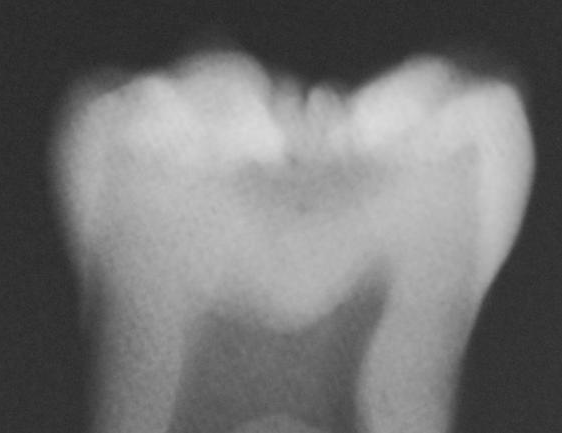
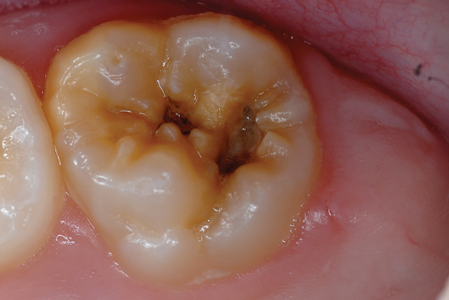
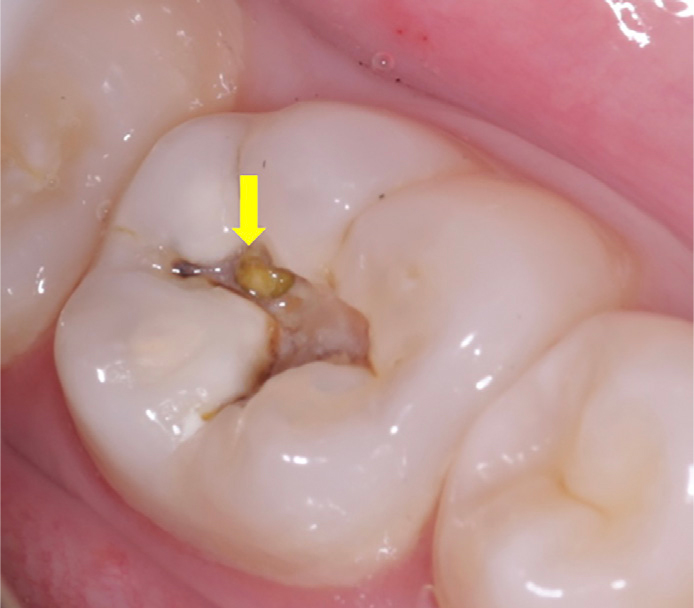
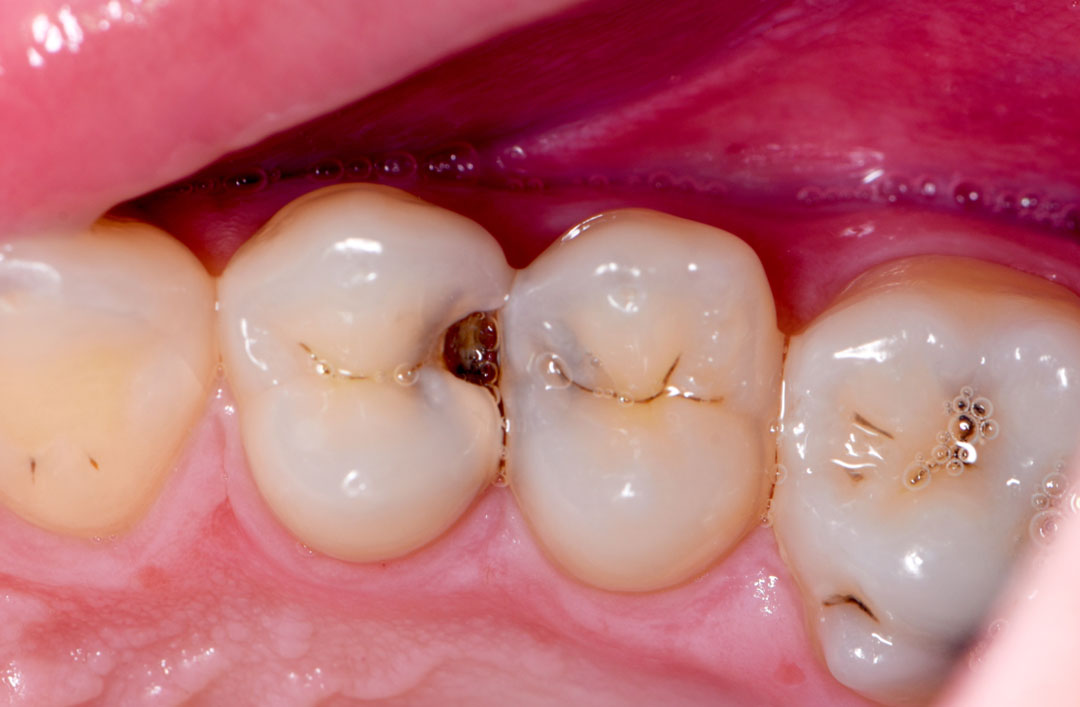
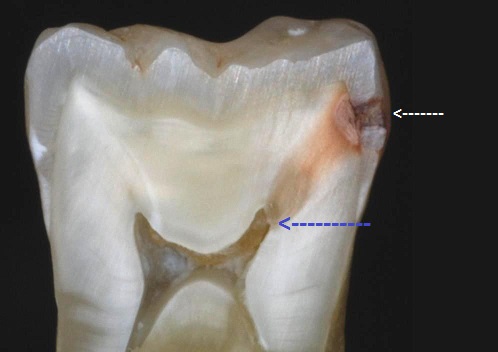
Enamel is the hard, outermost protective covering of the tooth. Enamel decay exposes the dentin layer and possibly the nerves within the tooth. Enamel gets a lot of wear throughout the day. This hard tooth surface may already be strong, but caring for it prevents enamel decay and is crucial to your overall health. Everything you sip or chew passes across the surface of your teeth and can cause enamel erosion. And because enamel is calcified — meaning it contains no living cells — it can't regenerate once you lose it.
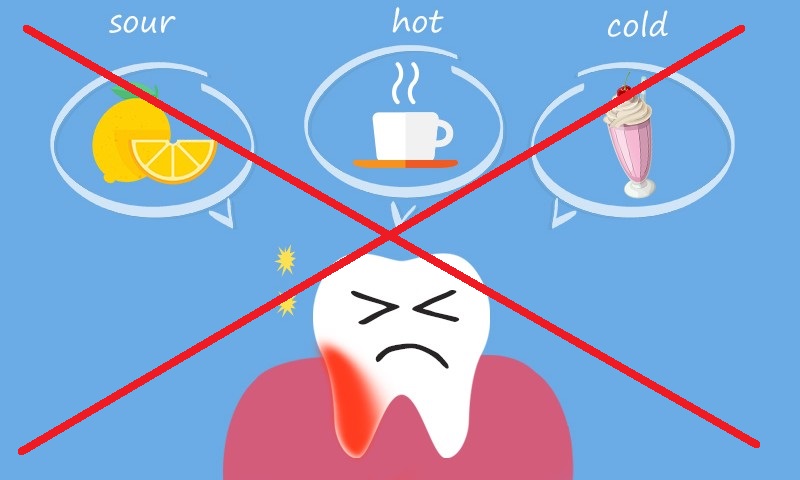
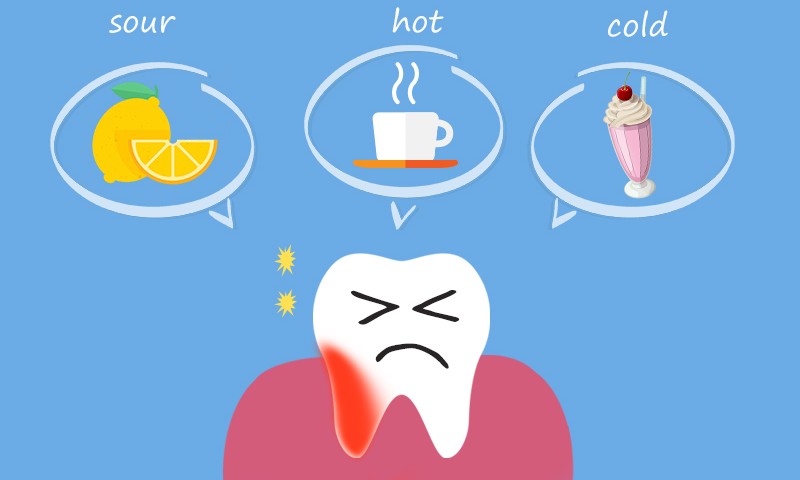
Enamel decay exposes the yellowish hard tissue called dentin, causing your teeth to look dingy or yellow as a result. This dentin contains microscopic canals that can carry substances straight to the pulp at the center of the tooth where all the nerves live, which is why your teeth might feel sensitive when you take a bite of ice cream or a sip of hot coffee.
You may jog before work and turn in early to get your beauty sleep, but the heart and brain aren't the only things that need to run on all cylinders. Don't forget the health of your mouth! The first signals of enamel decay are sensitivity and changes to the color of your teeth. With this type of intel, you can give your pearly whites the attention they deserve.
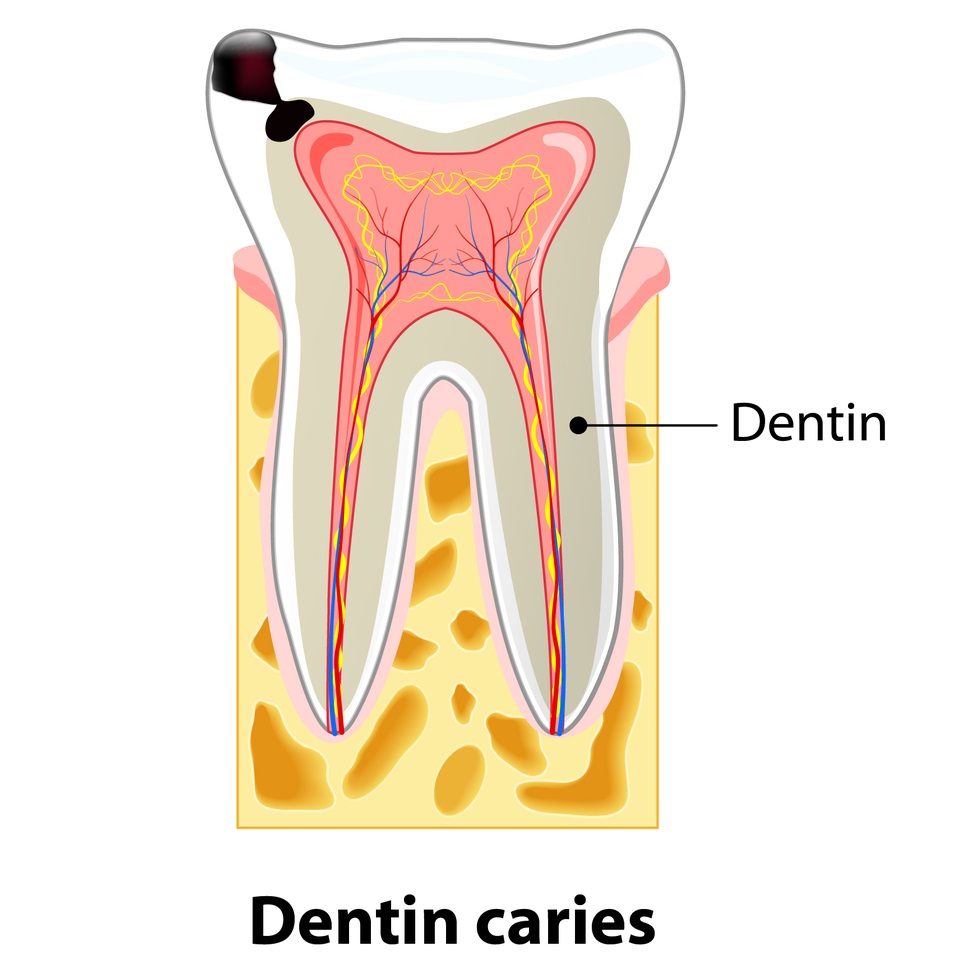
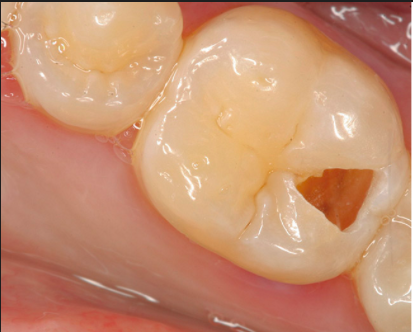
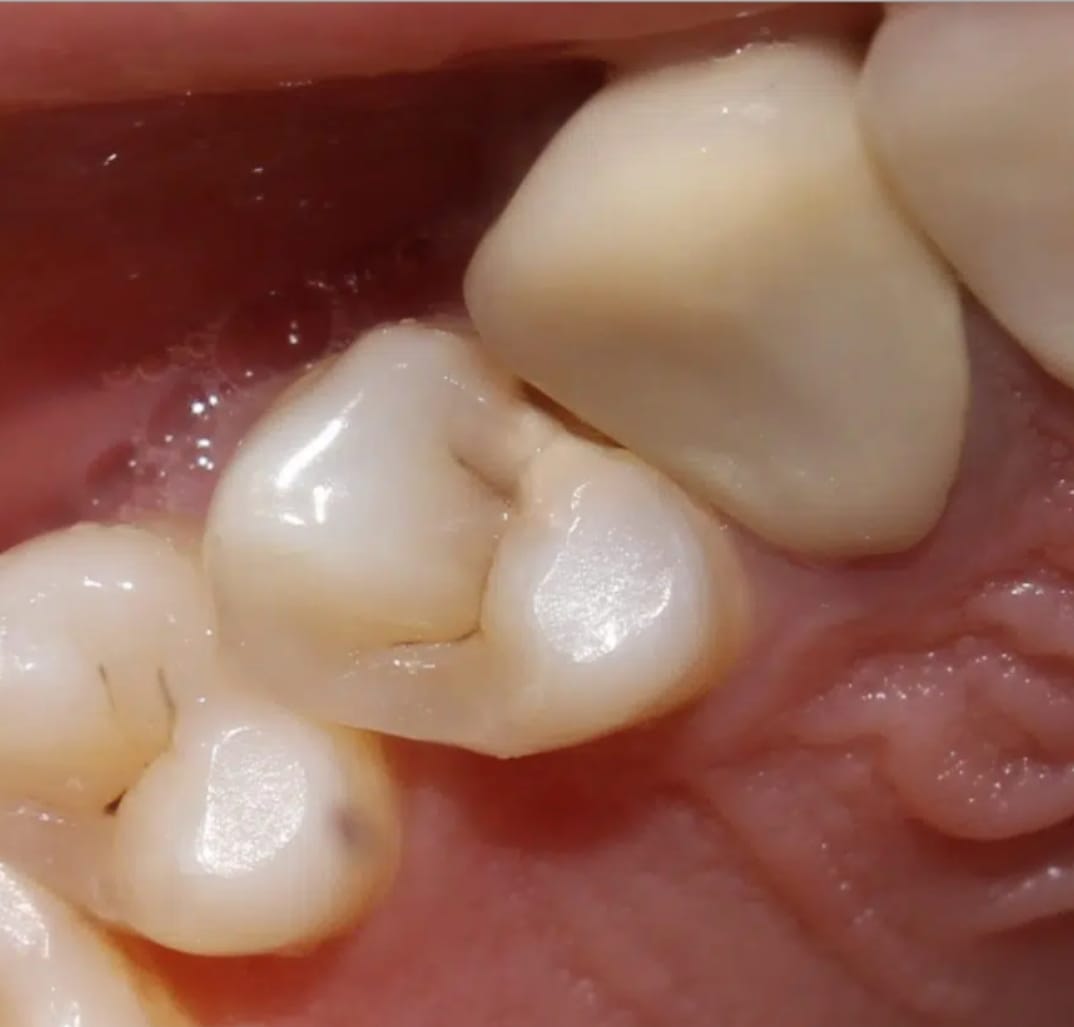
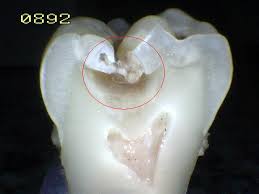
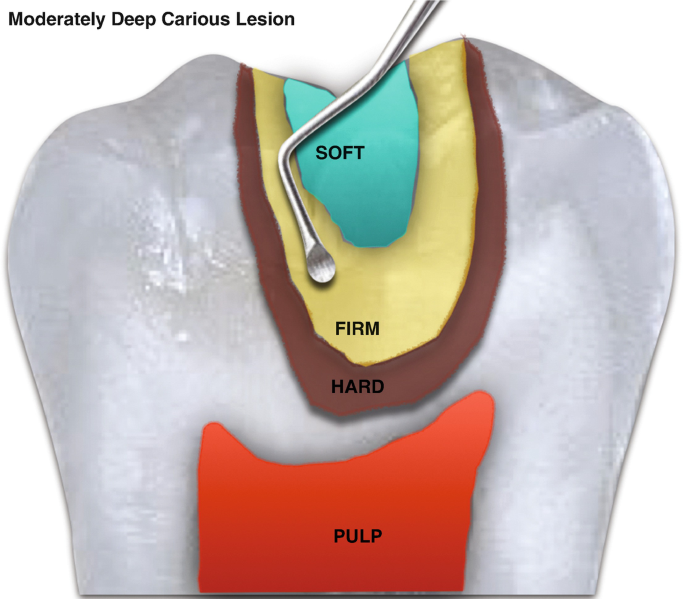
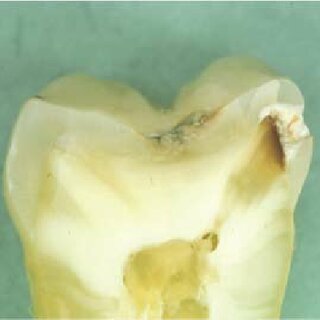
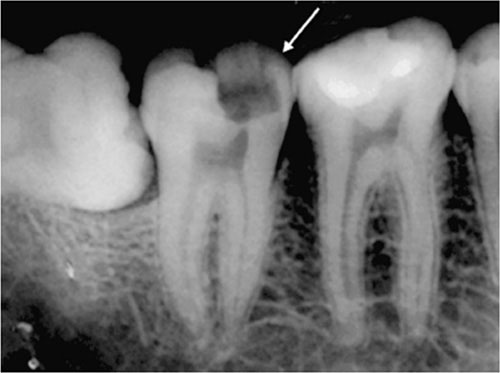
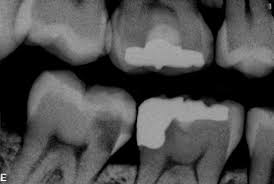
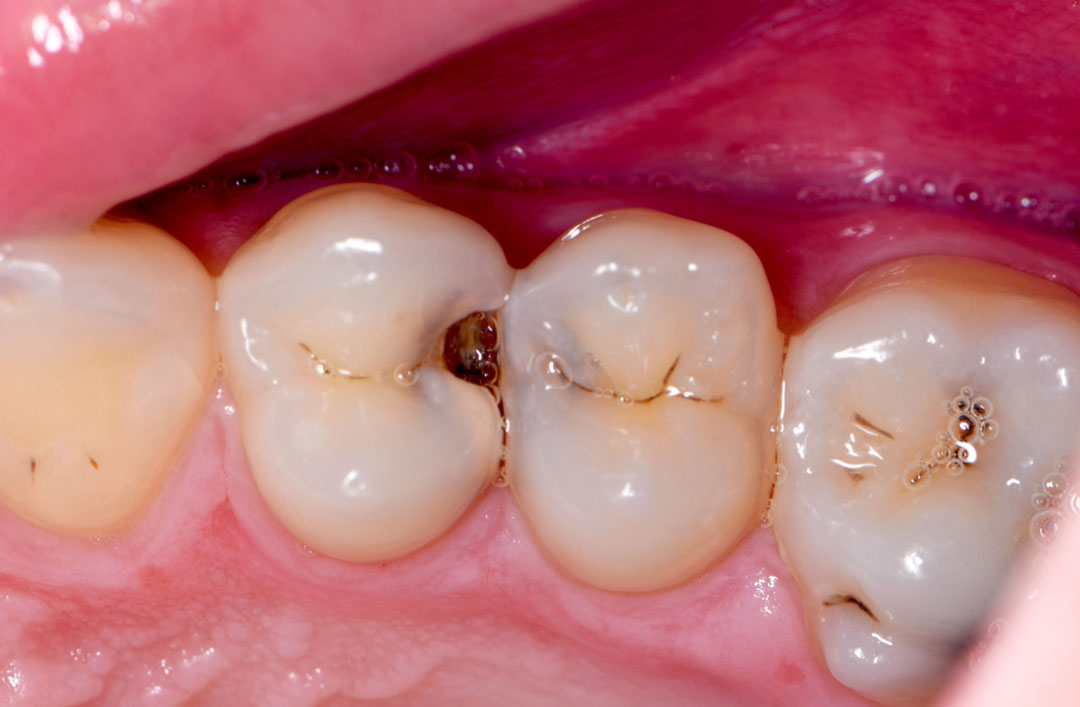
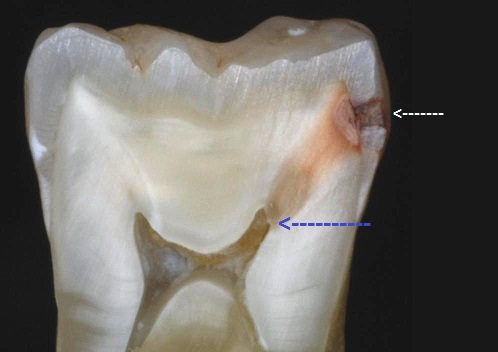
Decay now progresses beyond the enamel and starts to infect the dentin. This layer of your tooth, though still made of minerals, is far more porous. This means decay progresses more quickly. The hole in the tooth gets bigger, faster. Levels of discomfort and sensitivity will intensify. The dentist can still use a filling to repair the damage, or larger cavities may require inlays or onlays, a more extensive restoration.
In this stage, the decay progresses beyond the enamel into the dentin. At this juncture, your dentist can still restore the affected tooth with a filling. The pain levels also start intensifying along with the many stages of tooth decay. Any dental pain should be immediately noted so that the problem can be dealt with soon.
You may jog before work and turn in early to get your beauty sleep, but the heart and brain aren't the only things that need to run on all cylinders. Don't forget the health of your mouth! The first signals of enamel decay are sensitivity and changes to the color of your teeth. With this type of intel, you can give your pearly whites the attention they deserve.
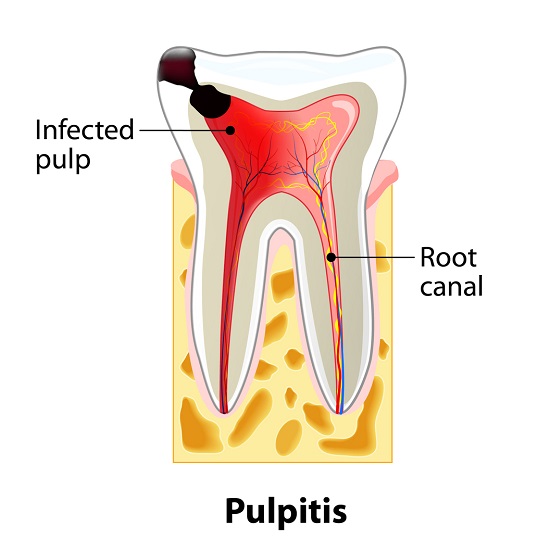
The dental pulp is the part in the center of a tooth made up of living connective tissue and cells called odontoblasts. The dental pulp is a part of the dentin pulp complex (endodontium).
If a tooth has been broken or damaged by decay, your dentist will try to fix it with a filling, crown or other dental treatment. But when there's too much damage for the tooth to be repaired, the tooth may need to be extracted or removed from its socket in the bone.
Beyond damage and decay, here are some other common reasons for tooth removal: Some people have extra teeth that block other teeth from coming in. Sometimes baby teeth don't fall out in time to allow the permanent teeth to come in. People getting braces may need teeth extracted to create room for the teeth that are being moved into place. People receiving radiation to the head and neck may need to have teeth in the field of radiation extracted. People receiving cancer drugs may develop infected teeth because these drugs weaken the immune system. Infected teeth may need to be extracted.
Wisdom teeth, also called third molars, are often extracted either before or after they erupt in the mouth. They commonly come in during the late teens or early 20's. They need to be removed if they are decayed, infected, or if there is not enough room in the mouth.
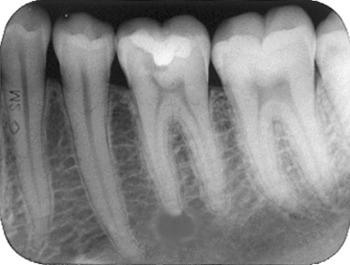
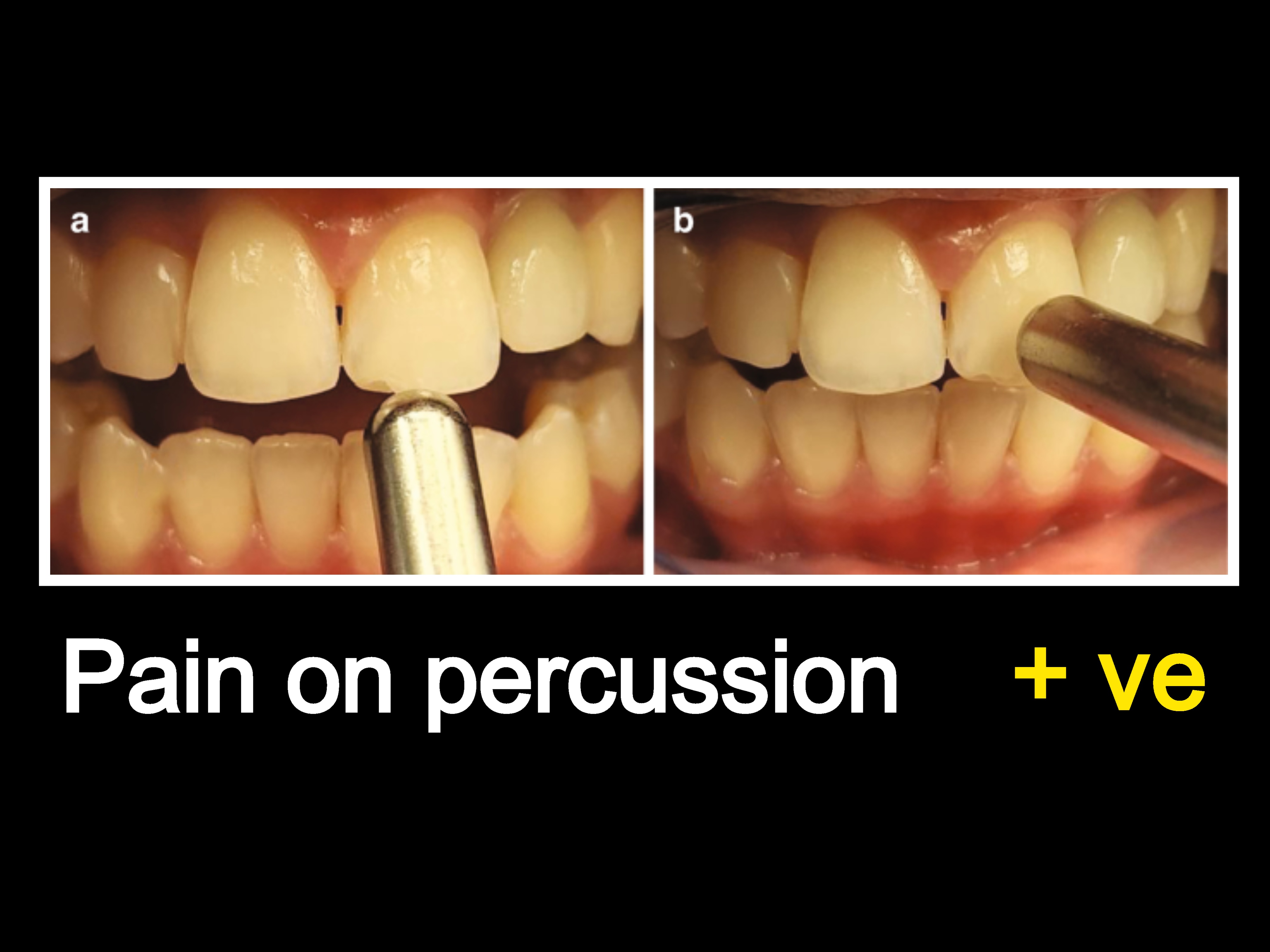
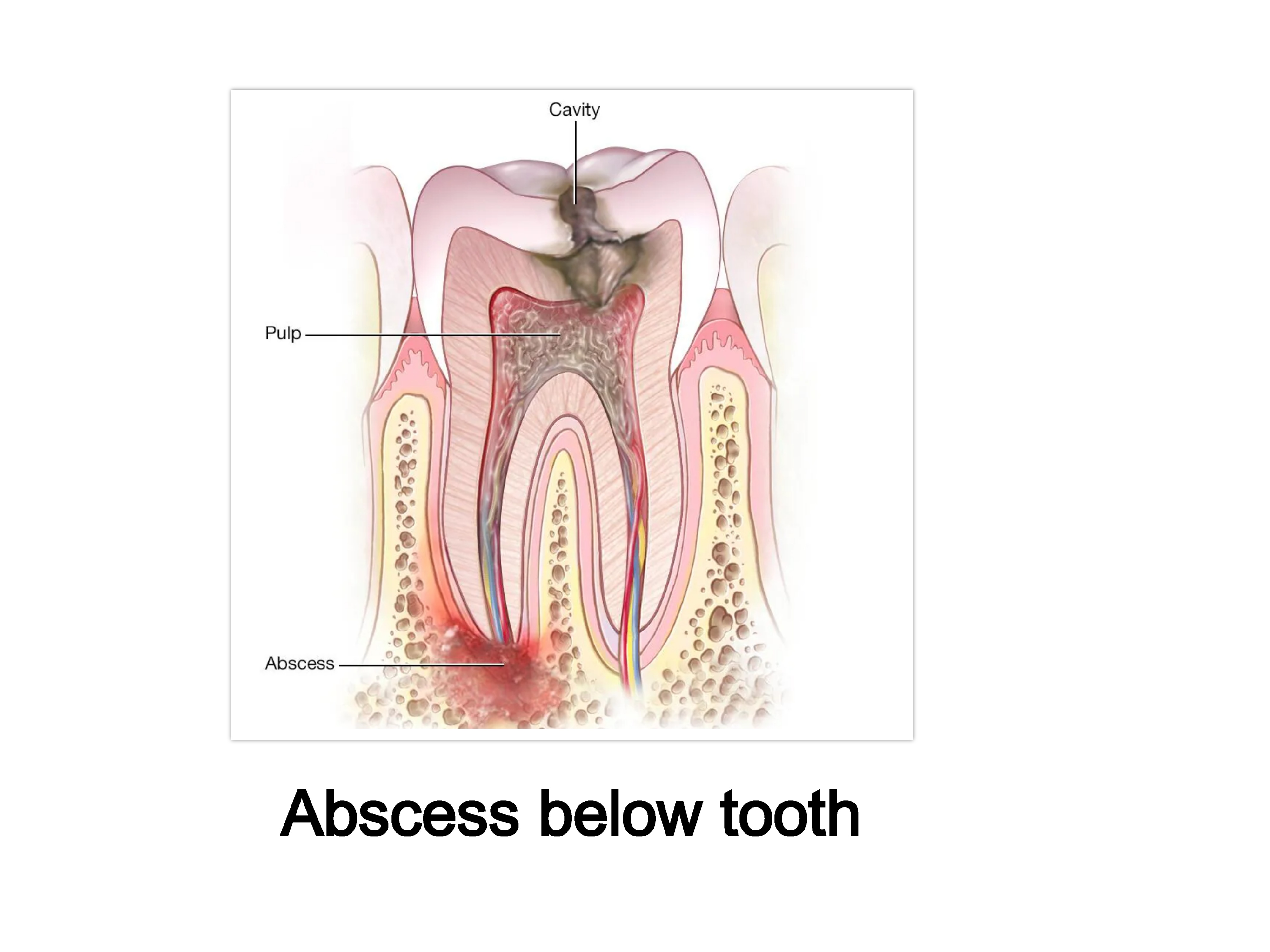
An abscess is an infection in or around the root of the tooth which may or may not be painful. It occurs when the pulp, the soft tissue inside the root canal, dies and becomes inflamed and goes untreated.
The most common symptom of an abscess is an ache in the bone around the tooth, but you may also experience pain when chewing, swelling of the gums, or other symptoms. If you have ongoing pain or suspect an abscess, see an endodontist, who specializes in treating infected teeth and pulp.
A dental abscess is usually treated with root canal treatment or endodontic surgery. An endodontist will remove the bacteria from the empty canals within your tooth, clean, shape and fill the root canals, and seal the space.
You will return to your dentist, who will place a crown or other restoration on the tooth to protect and restore it to full function. After the new restoration, the tooth will continue to function like any other tooth.
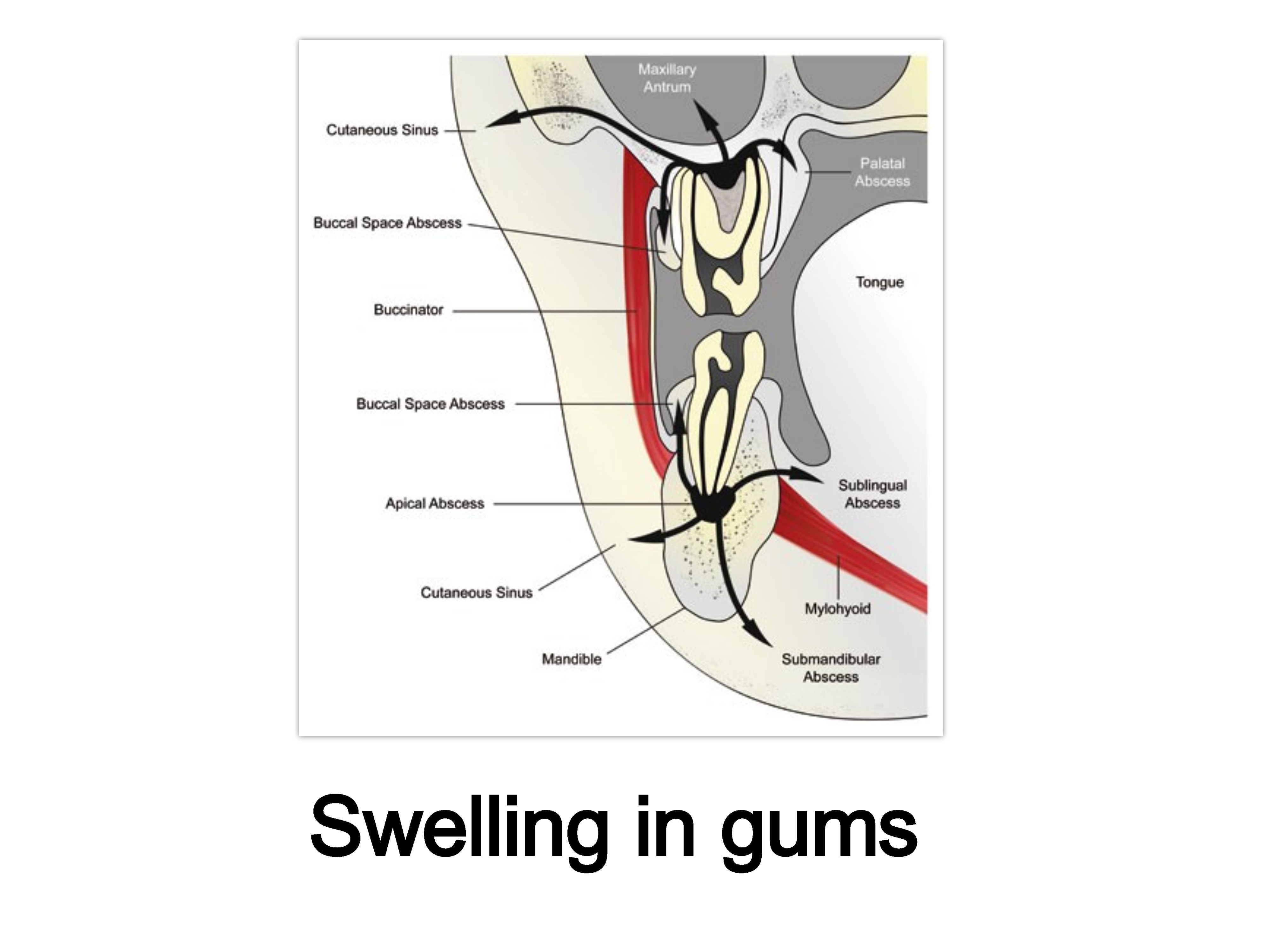
What — We can see mild to moderate bulge in gums near tooth which may or may not be painful and with or without sinus tract with pus.
Why — It is due to infected pulp or abscess below tooth, excessive food accumulation inside gums which eventually rottens and create pockets in gums, many times failed previous dental treatments.
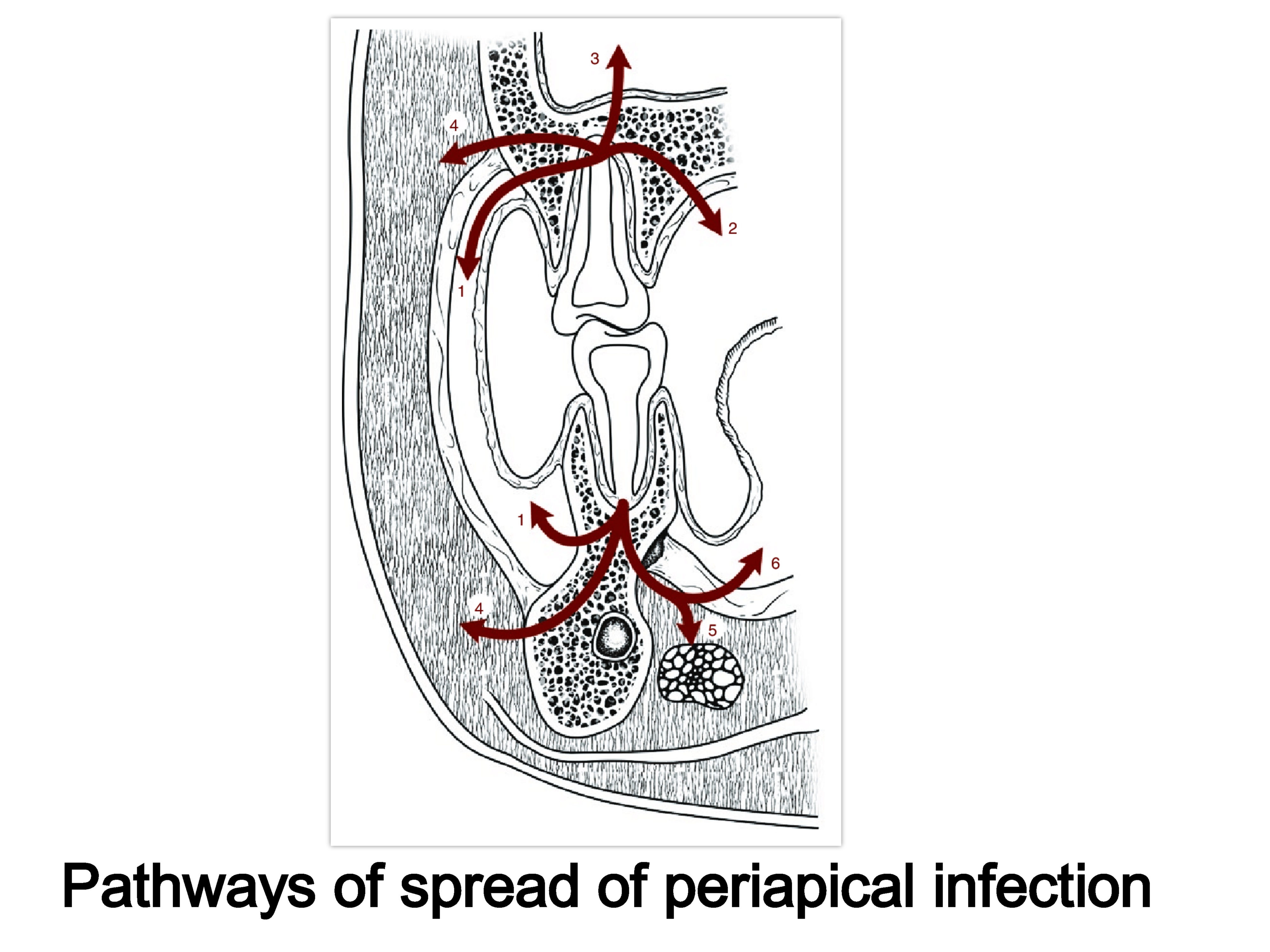
A periapical infection can spread along soft tissue and into various facial spaces, following the path of least resistance. The spaces that are most commonly affected include: Subcutaneous — can affect any tooth. Vestibular — can affect any tooth. Buccal — can affect any tooth, but especially maxillary teeth. Maxillary sinus — can affect maxillary teeth. Submandibular — can affect mandibular teeth. Sublingual — can affect mandibular teeth. Masticator — can affect mandibular teeth.
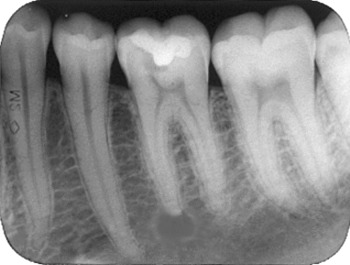
Treatment options for a periapical infection include: antibiotics, incision and draining, root canal therapy, and tooth extraction.
To reduce the risk of periapical abscesses, you can: practice good oral hygiene, drink water with fluoride, limit sugary foods and drinks, and visit your dentist regularly for cleanings and exams.
This chart is the general case. Step 6 is the treatment itself and step 7 is our published price list — every procedure, one price, no package.
Step 5 of 20 · The AR 32 patient journey
This is step 5 of 20. Nothing here is a diagnosis — it is the ground you cover before one.
General information, not a diagnosis. In pain now? Call 8484990678.
Weather, a railway and a bit of an apocalypse — then it hands the page
back to you, quiet, to read properly.
In pain right now? Skip straight to booking.
Weather, the railway, and the twenty steps of the patient journey. Shall I put the page back the way a patient finds it? The train stays running — it follows your cursor, changes its own points and calls at its own platforms, and you can switch it off any time from the control station.
Switch it off and come and meet Dr Avinash Bamane — a dentist who writes the code for his own clinic. Your journey starts the moment you do.