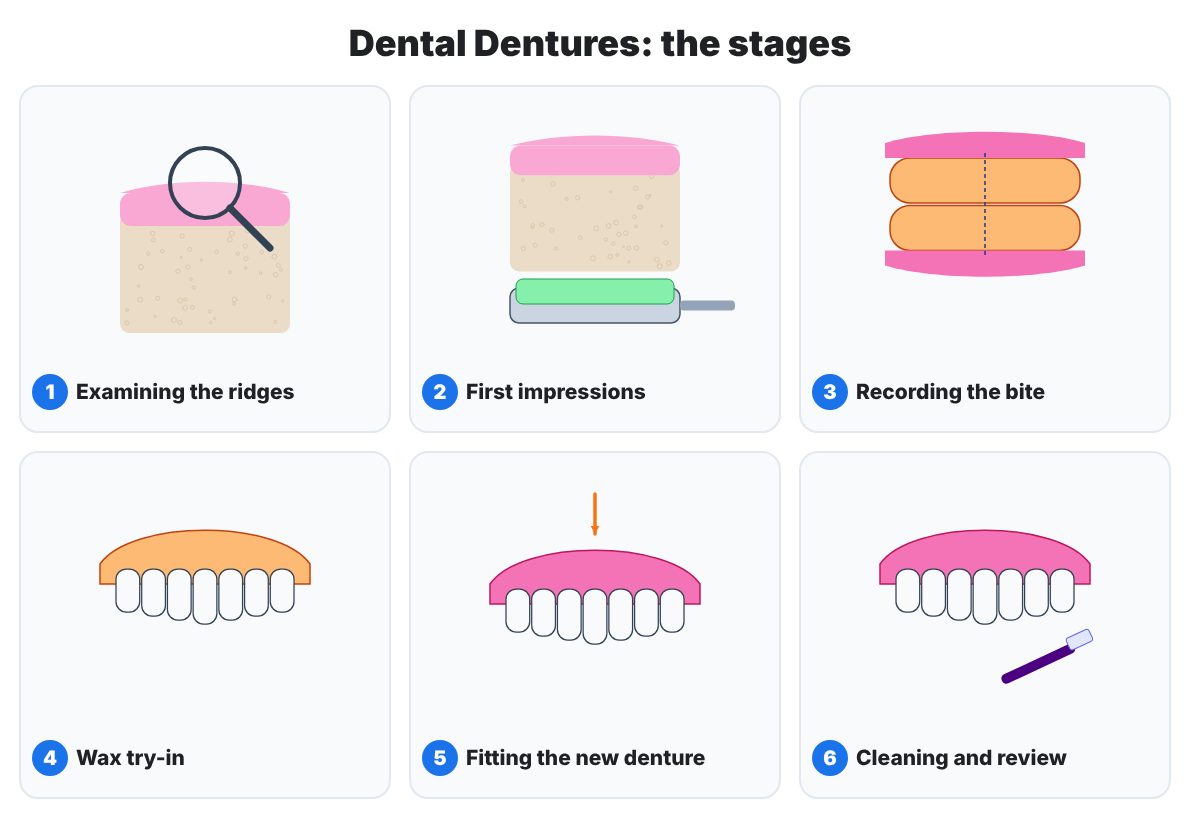
Dental Dentures Basics - the stages step by step

Dental Denture Basics

A denture is a removable replacement for missing teeth and the gum and bone that supported them. A complete denture replaces all the teeth in a jaw; a partial denture replaces some teeth and clips to the remaining natural teeth. Flexible partial dentures use a nylon-based material in place of metal clasps.

A well-made denture restores chewing, speech and the support of the lips and cheeks. Making one is a series of short visits, each recording a different detail - the shape of the gums, the bite, the position and colour of the teeth - so the final denture fits and looks natural.

The 9 Steps of Making a Denture

Can I get a denture straight after extractions?

The dentist examines the gums and the shape of the jaw ridges, checks any remaining teeth and takes X-rays if needed. Dentures are usually made after the extraction sites have healed; an immediate denture fitted on the day of extraction is possible but needs relining later.

What are the first impressions for?

Impressions of both jaws are taken in stock trays to make study models, from which a custom tray is made to fit your mouth exactly.

Why are impressions taken twice?

The custom tray records the gums and the edges of the denture-bearing area in detail, while you move your lips, cheeks and tongue. This border moulding gives a better seal and helps the denture stay in place.

How is my bite recorded if I have no teeth?

Wax rims are adjusted in the mouth to record the correct height of the face, the position of the lips and how the jaws meet. The midline and smile line are marked on the rims.

Can I choose how my denture teeth look?

The size, shape and shade of the artificial teeth are chosen to suit your face, age and preference. Old photographs can help recreate your natural smile.

What is a wax try-in?

The teeth are set in wax and tried in your mouth to check the appearance, speech, bite and comfort before the denture is finished. Changes are easy at this stage.

What happens on the day the denture is fitted?

The wax is converted into durable acrylic or flexible material in the laboratory. At the fitting visit the denture is checked for comfort, pressure spots are relieved and the bite is adjusted. You are shown how to insert, remove and clean it.

Is it normal for a new denture to feel uncomfortable?

Sore spots in the first days are common and are relieved at review visits. Chewing and speaking with a new denture take practice - start with soft food cut into small pieces, chewing on both sides.

How do I look after my denture?

Brush the denture daily with a soft brush and soak it overnight in water or a denture cleaner; take it out at night to rest the gums. The ridges change shape over time, so dentures need relining or remaking every few years.
Visualizing the Clinical Procedure

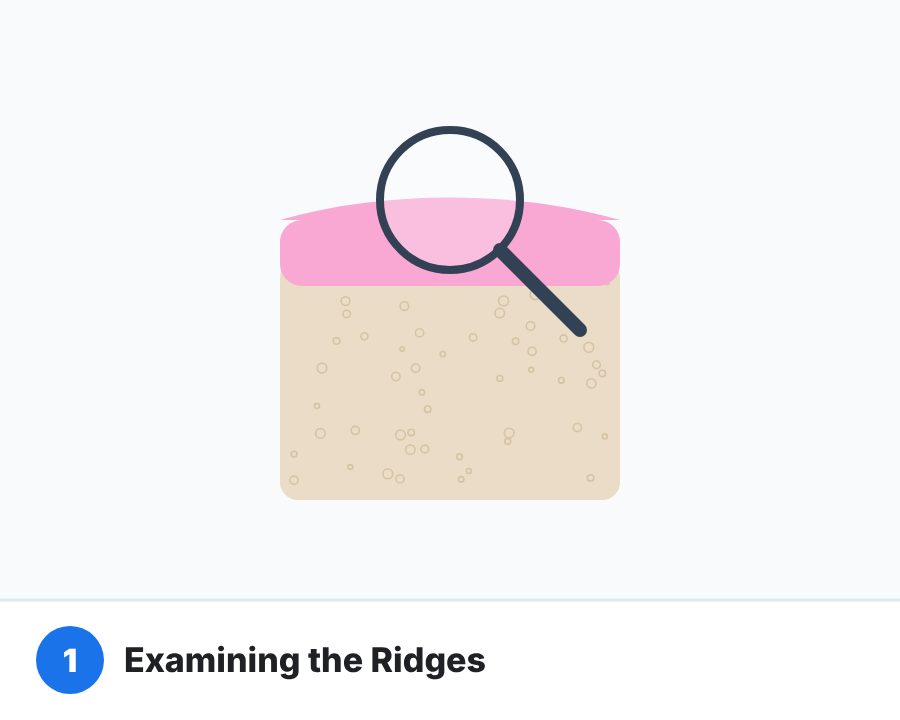
Examining the Ridges

1. Examining the Ridges

The gums and the bony ridges that remain after teeth are lost are the foundation of a denture. Their height, width and firmness are examined, along with the palate, the tongue and any remaining teeth.

Sharp bone edges, loose flabby tissue or ulcers are treated first. For a partial denture, the remaining teeth are checked and any decay or gum disease is treated before the design is chosen.

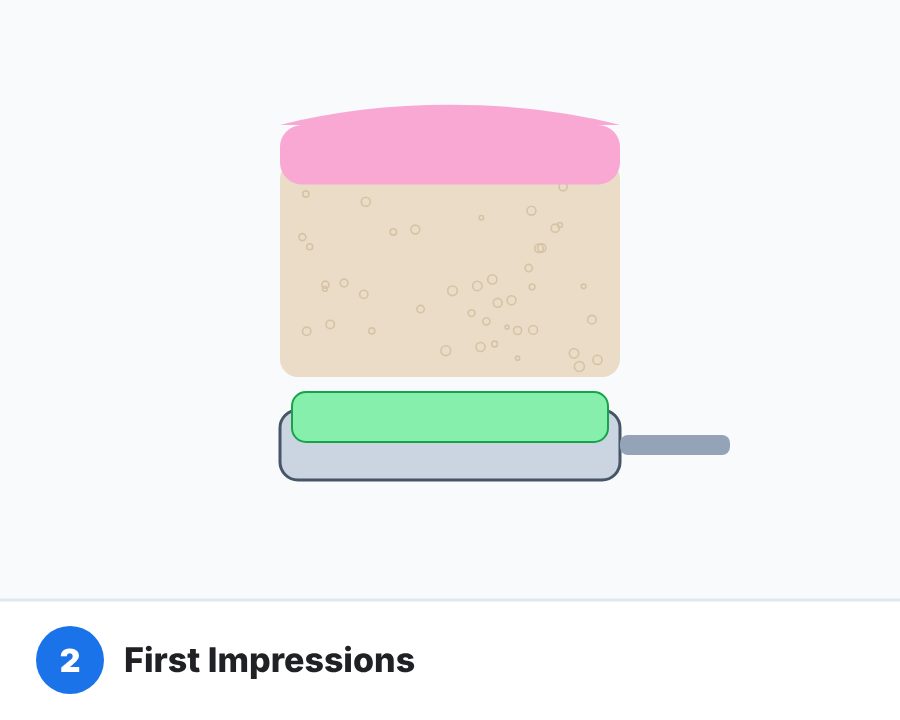
2. First Impressions

A first impression is taken of each jaw using a stock tray and a soft impression material. It takes a couple of minutes and gives the laboratory a study model.

From that model, a custom tray is made to fit your mouth precisely, which allows the next impression to capture every detail of the denture-bearing area.

First Impressions
Recording the Bite

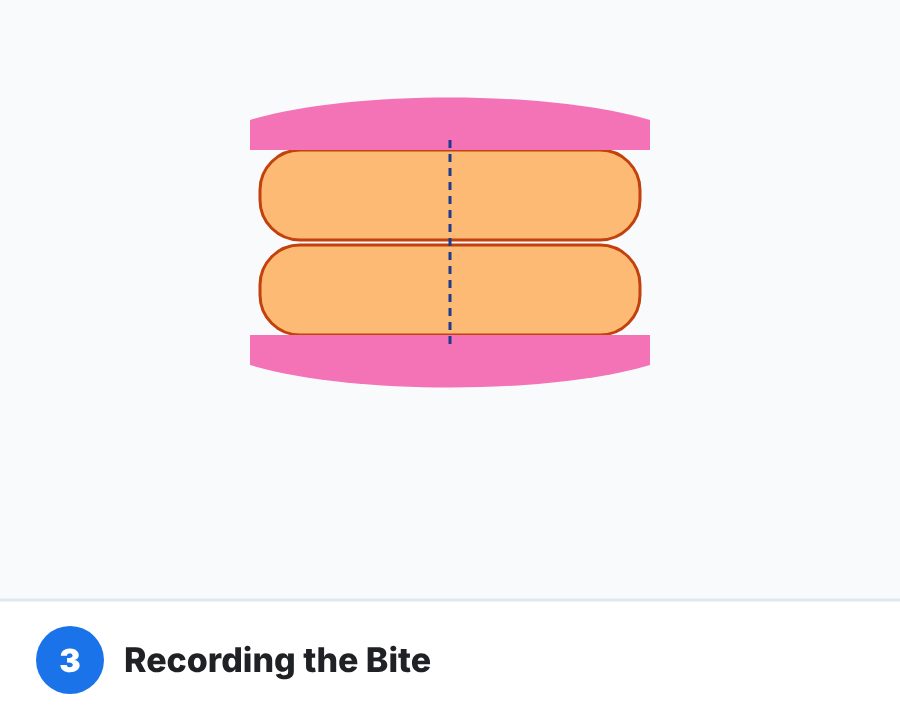
3. Recording the Bite

Wax bite rims are shaped in the mouth to establish the right height between the jaws, the fullness of the lips and the line of the smile, and to record how the lower jaw closes against the upper.

Getting the bite right is what makes a denture comfortable to chew with and gives the face natural proportions; too much or too little height can cause discomfort and an aged or strained appearance.

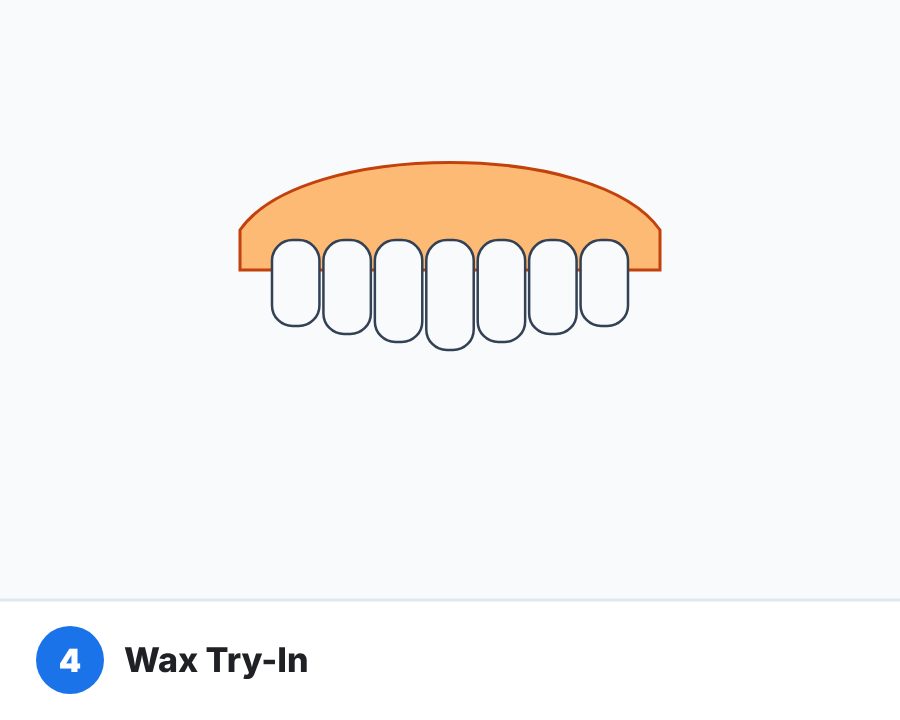
4. Wax Try-In

The artificial teeth are arranged in wax according to the bite record and tried in your mouth. You see the result in a mirror before anything is finalised.

Appearance, speech, the bite and comfort are all checked, and teeth can be moved or changed at this stage. It is the best moment to ask for changes.

Wax Try-In
Fitting the New Denture

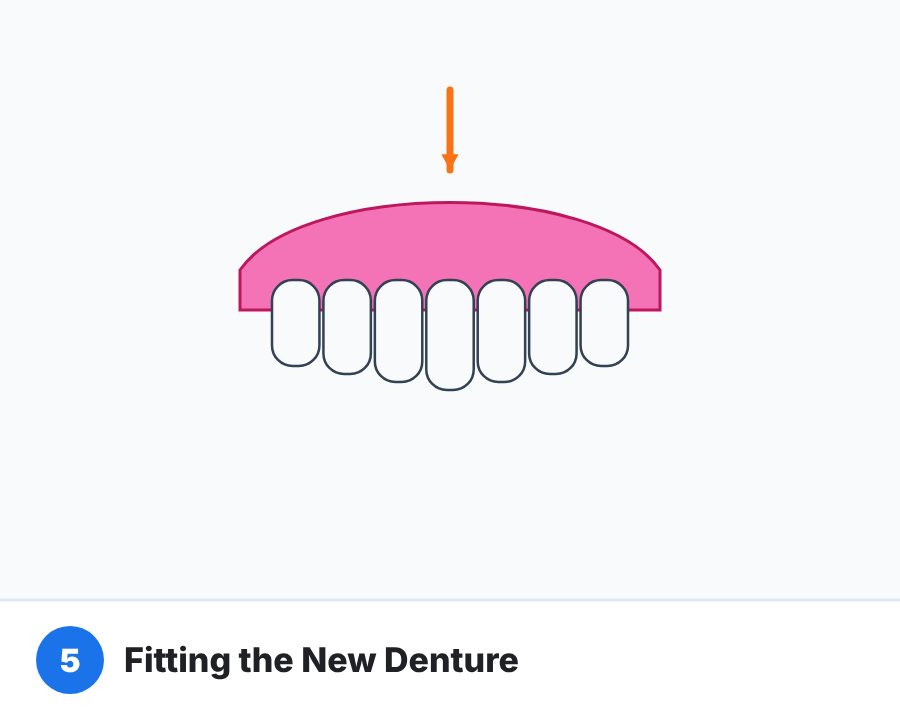
5. Fitting the New Denture

The finished denture is placed and checked for fit, comfort and bite. Any areas that press on the gums are adjusted, and the bite is balanced so the denture stays stable while chewing.

You are shown how to put the denture in and take it out, how to clean it, and what to expect in the first weeks while the mouth adapts.

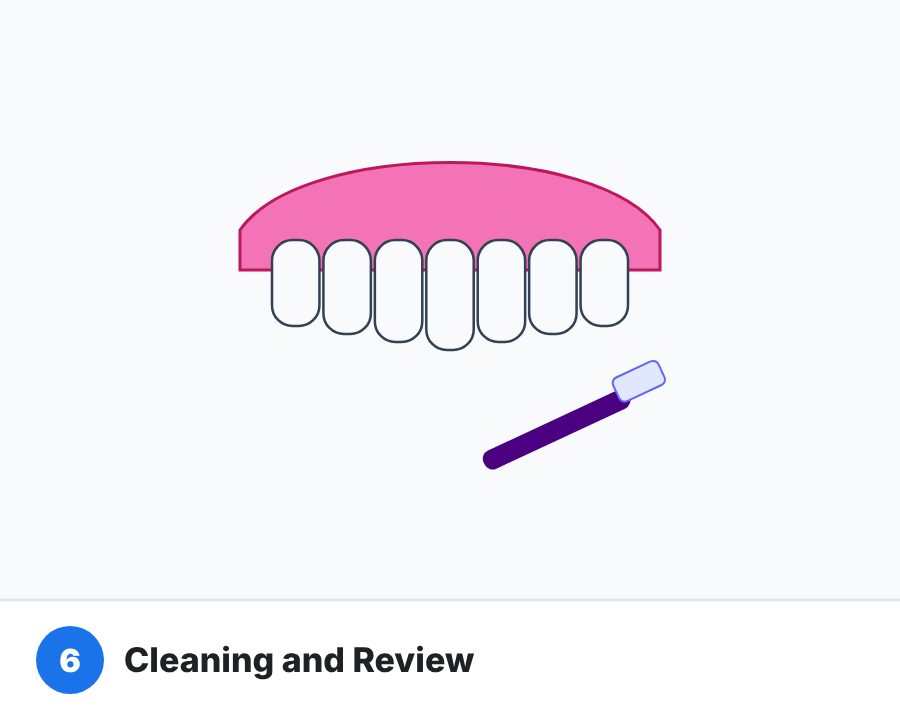
6. Cleaning and Review

A denture should be brushed daily with a soft brush and mild soap or denture paste, and taken out at night to let the gums rest. Remaining natural teeth need brushing as carefully as ever.

Review visits relieve sore spots. Over the years the ridges shrink, so dentures need relining or replacing to keep fitting well - a loose denture should be checked, not tolerated.

Cleaning and Review