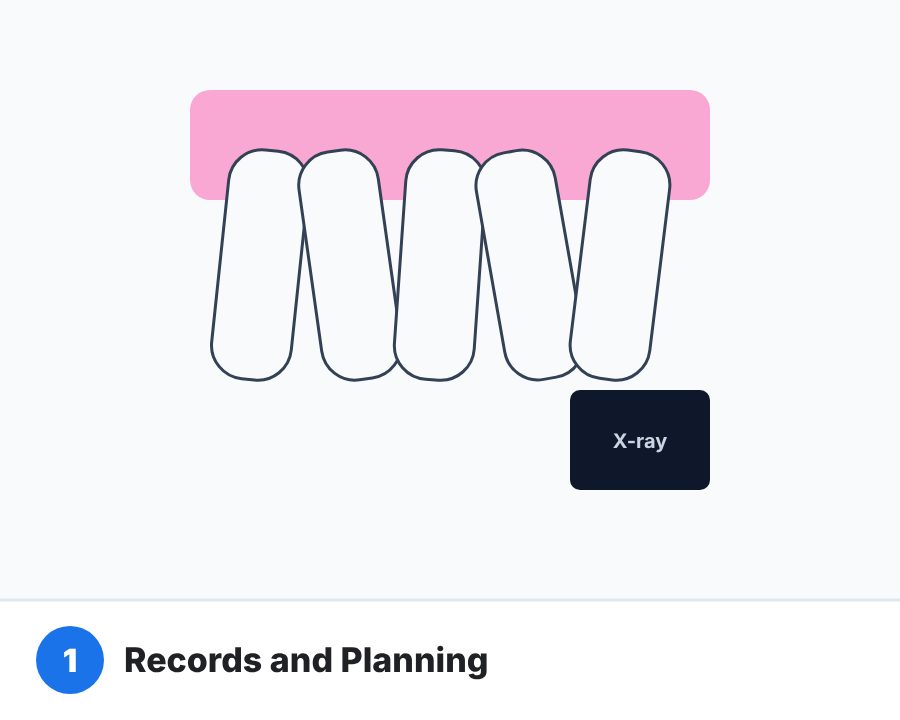
The orthodontist examines the teeth, jaws, face and bite and discusses the problem and the options. Most treatment starts once the permanent teeth have come through, around 11 to 14, but adults can be treated at any age if the gums are healthy.
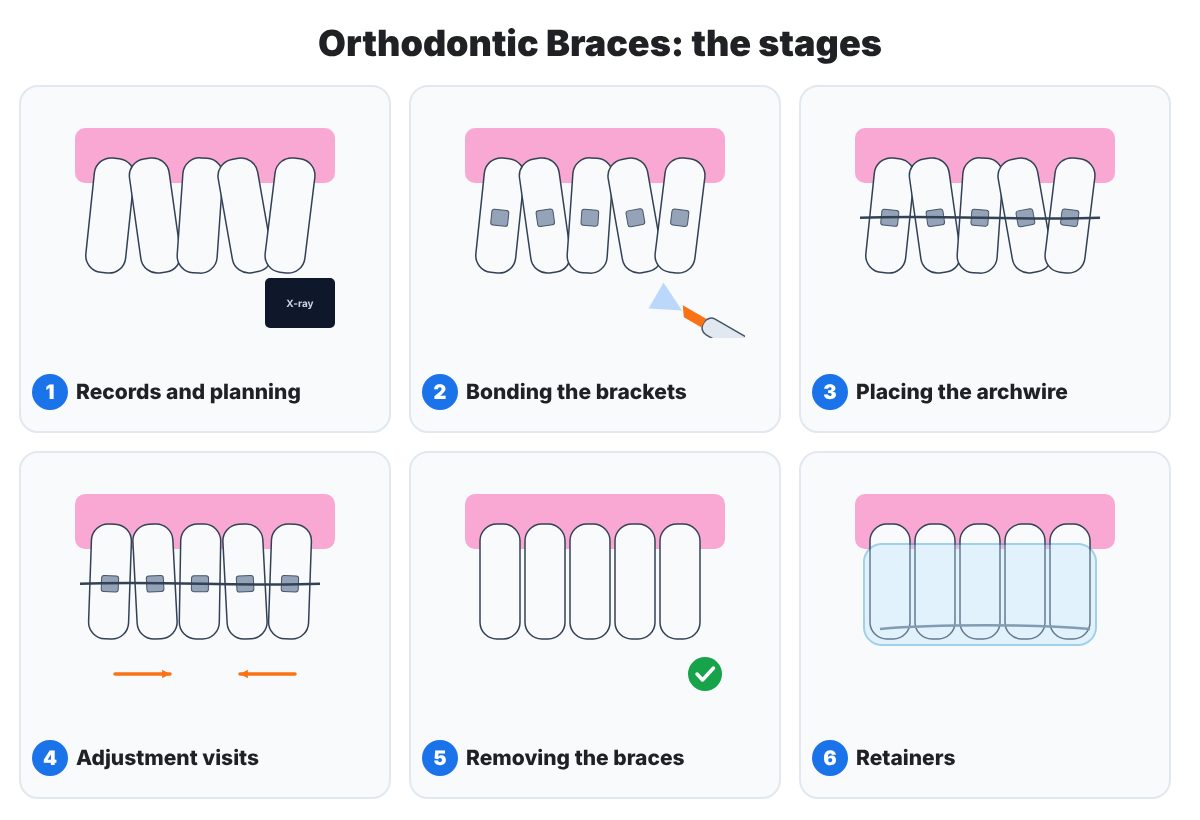
Photographs, impressions or a digital scan, and X-rays - usually a panoramic X-ray and a side view of the skull (cephalogram) - are taken to measure the teeth and jaws precisely.
From the records, the orthodontist plans how each tooth will move, whether space is needed, and the type of brace. Some crowded cases need extractions; others gain space by expansion or slight reshaping of teeth.
Teeth are cleaned, any decay is treated, and small elastic separators may be placed between the back teeth a week before bands are fitted.
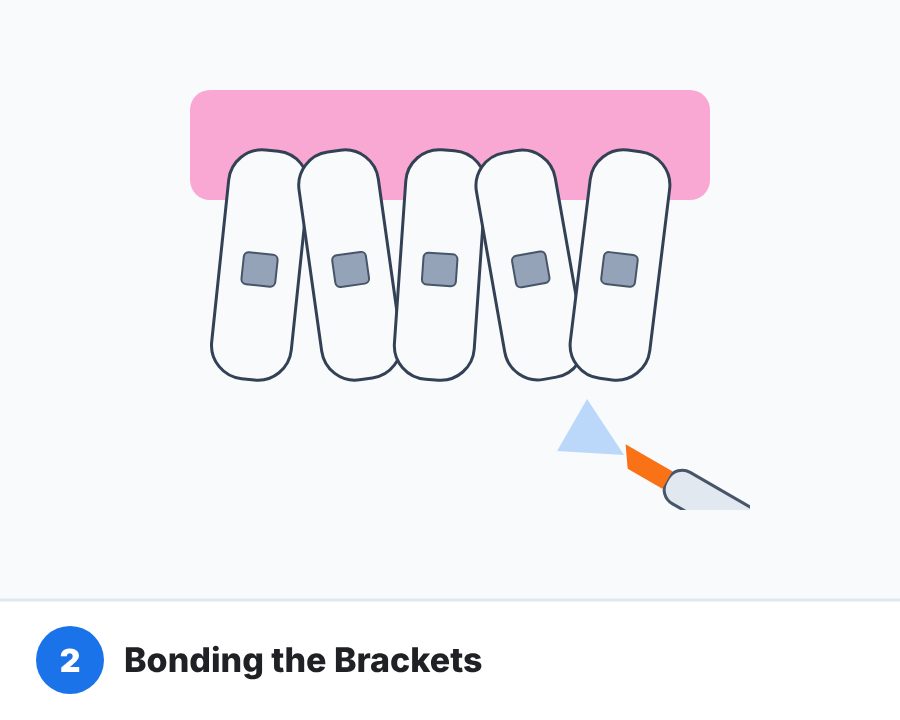
The teeth are cleaned and conditioned, and each bracket is bonded with dental adhesive and set with a curing light. It is painless and takes about an hour; teeth may ache for a few days afterwards.
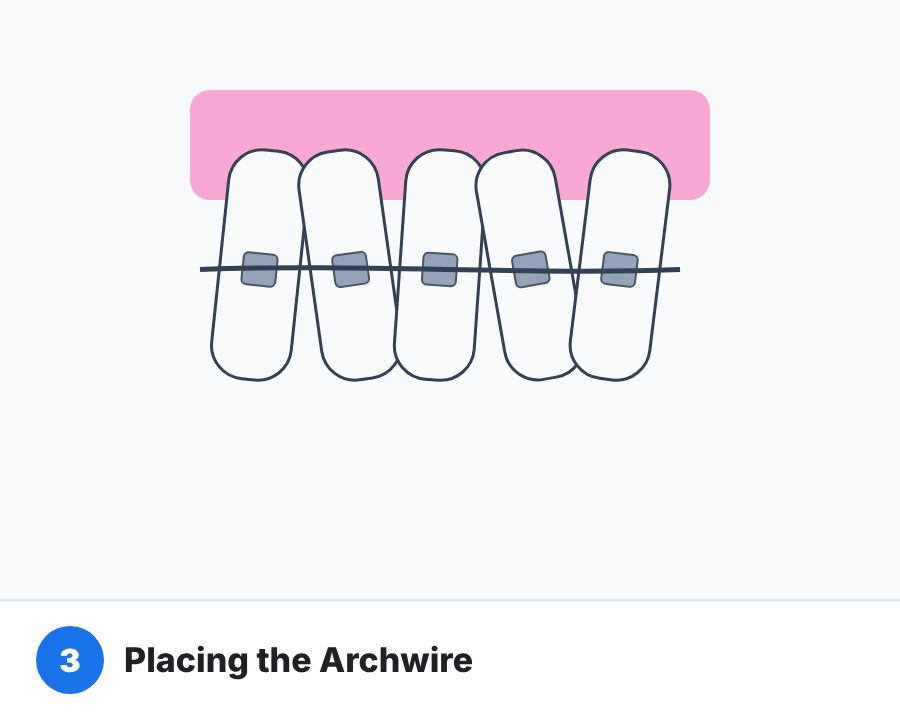
A flexible archwire is tied into the brackets. As it tries to return to its ideal shape, it applies gentle, continuous force that begins to align the teeth.
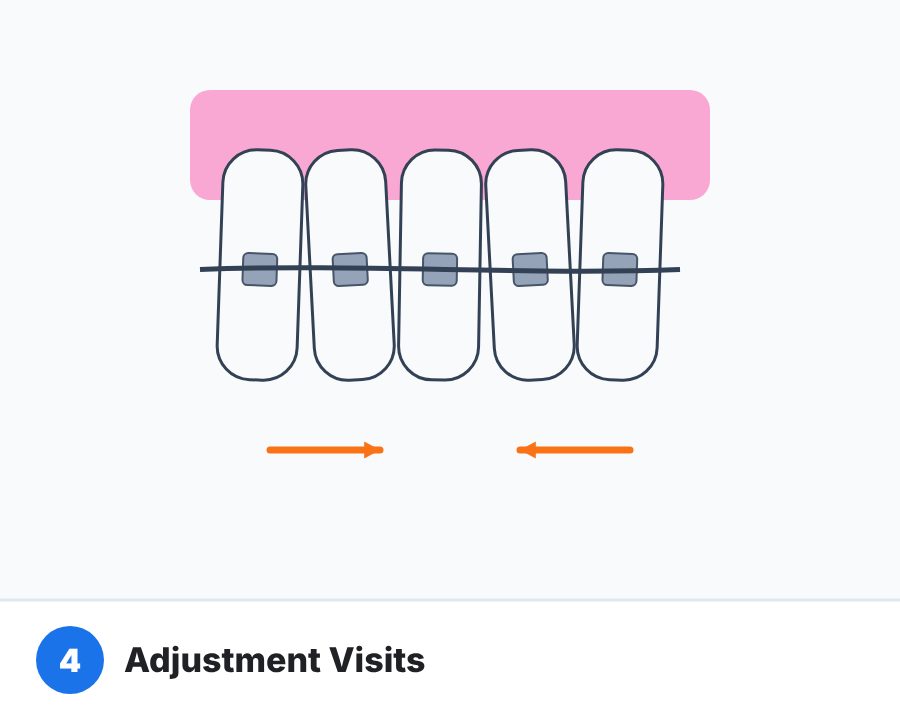
Every four to eight weeks the wires are changed or adjusted and elastics may be added to correct the bite. Keeping appointments and cleaning carefully around the brackets keep treatment on schedule.
Fine adjustments perfect the position of each tooth, the bite and the midlines. This detailing gives a stable, well-functioning result.
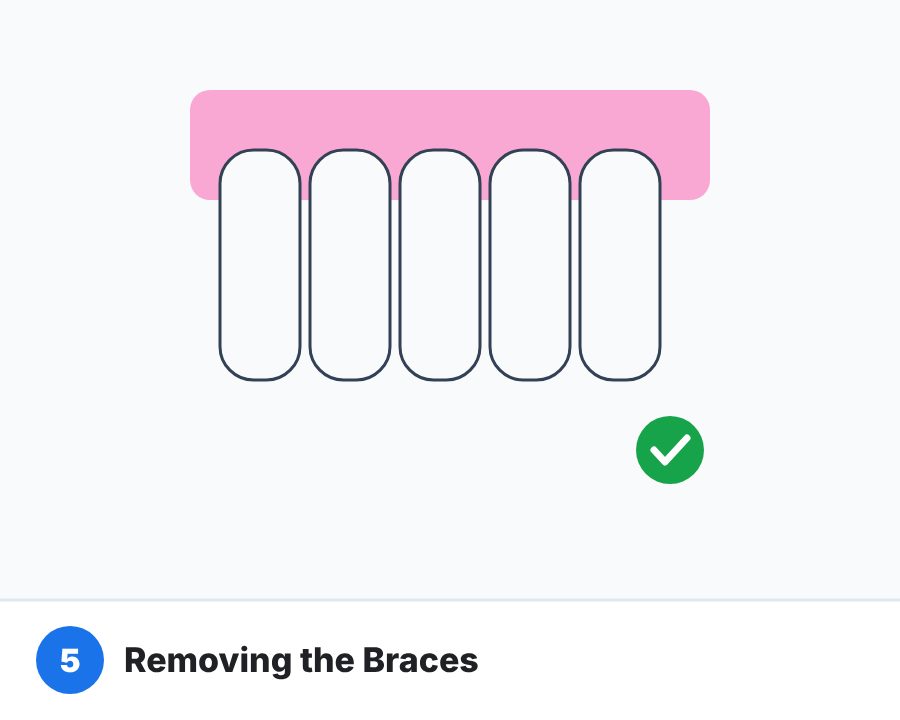
The brackets are gently removed, the remaining adhesive is polished off, and the teeth are cleaned. Impressions or a scan are taken for retainers.
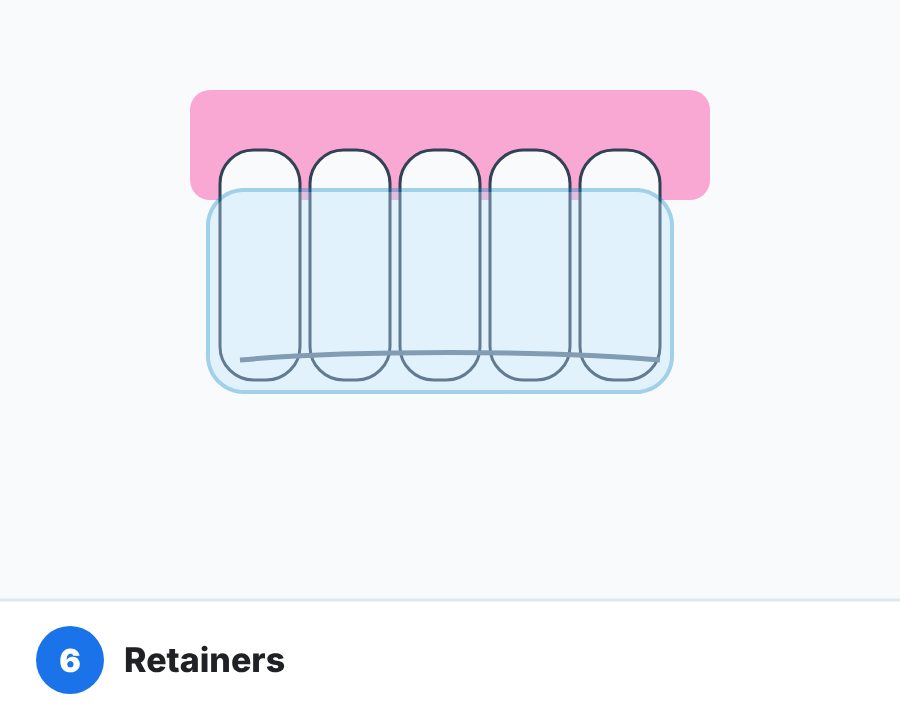
Yes. Teeth tend to move back towards their old positions. A fixed wire behind the front teeth, a removable clear retainer, or both, hold the result - many orthodontists now advise wearing retainers at night in the long term.