is tooth pain worse in pregnancy
Pregnancy does not damage teeth by itself, but hormonal changes make gums swell and bleed more easily, morning sickness exposes teeth to acid, and frequent snacking raises the risk of decay. Any of these can make teeth and gums sore. Dental treatment is generally safe in pregnancy, so don't put up with toothache for months; tell your dentist and your gynaecologist that you are pregnant.
Many expecting mothers in Pune are told by relatives that "every baby costs a tooth", or that dental work must wait until after delivery. Neither is true. Pregnancy changes your mouth in specific, predictable ways, and most of them can be managed safely.
What changes in pregnancy
- Pregnancy gingivitis. Higher hormone levels make the gums react more strongly to plaque. They become red, puffy and quick to bleed when you brush, usually from the second or third month. Sore gums can feel like aching teeth. See gingivitis.
- Morning sickness and reflux. Stomach acid softens enamel. Over months, this can cause sensitivity to cold and sweet.
- Cravings and snacking. Frequent sweets, biscuits and sweetened chai give decay-causing bacteria a steady supply of sugar.
- A stronger gag reflex and tiredness, which make brushing the back teeth harder.
- Pregnancy epulis. A small, red gum lump that bleeds easily. It is harmless and often shrinks after delivery, but it should be examined.
The baby does not draw calcium out of your teeth. Pre-existing cavities, however, can grow faster during pregnancy because of the factors above. So a tooth that "suddenly" hurts is usually one that already had a problem.
Is tooth pain itself worse?
Pain from swollen gums is more common in pregnancy, and many women find sensitivity more noticeable. A cavity or an inflamed nerve hurts as much as at any other time. The difference is that you have fewer painkiller options, so it is wiser to fix the cause than to keep managing the pain.
Is dental treatment safe?
- Urgent care for pain, infection or swelling should be given in any trimester. An untreated dental infection is a bigger risk to you and the baby than careful treatment.
- Routine treatment, such as fillings and scaling, is usually most comfortable in the second trimester (roughly months four to six).
- Local anaesthetic in standard dental doses is widely used in pregnancy.
- X-rays are taken only when they will change the treatment. A small digital sensor X-ray of one tooth uses a very low dose aimed at the mouth, and a protective apron is used.
- Cosmetic and elective work, such as whitening, is better postponed until after delivery.
Painkillers and antibiotics
Don't take any medicine for toothache in pregnancy without asking your gynaecologist or dentist. Paracetamol is the usual choice when a painkiller is needed. Ibuprofen and similar anti-inflammatory tablets are generally avoided, especially later in pregnancy, unless your doctor specifically advises them. If antibiotics are needed, your dentist chooses one known to be suitable in pregnancy. Never use leftover strips from home.
Practical tips
- After vomiting, rinse with plain water or a little baking soda in water, and wait about 30 to 60 minutes before brushing so you don't scrub softened enamel.
- Use a soft brush and a small head if the back teeth trigger gagging.
- Keep sugary snacks to mealtimes where you can.
- Don't stop brushing bleeding gums. Gentle, thorough cleaning is what settles them.
At our clinic
Please tell our front desk and your dentist if you are pregnant or breastfeeding; our registration form asks about it, and it is part of our working policy. Bring a note of your due date and any medicines your gynaecologist has prescribed. For marked gum problems, our Periodontics department may be involved. You can book a consultation online or call 8484 990 678. If you develop facial swelling or a fever with tooth pain, see our emergency page and don't wait.
Want this looked at properly?
Kharadi runs late. Reception will tell you honestly whether you need an appointment yet.
Book — Rs 500 ☎ 8484990678Related questions
Read the full guide
Complete articles from our dental health blog, written by our MDS panel.
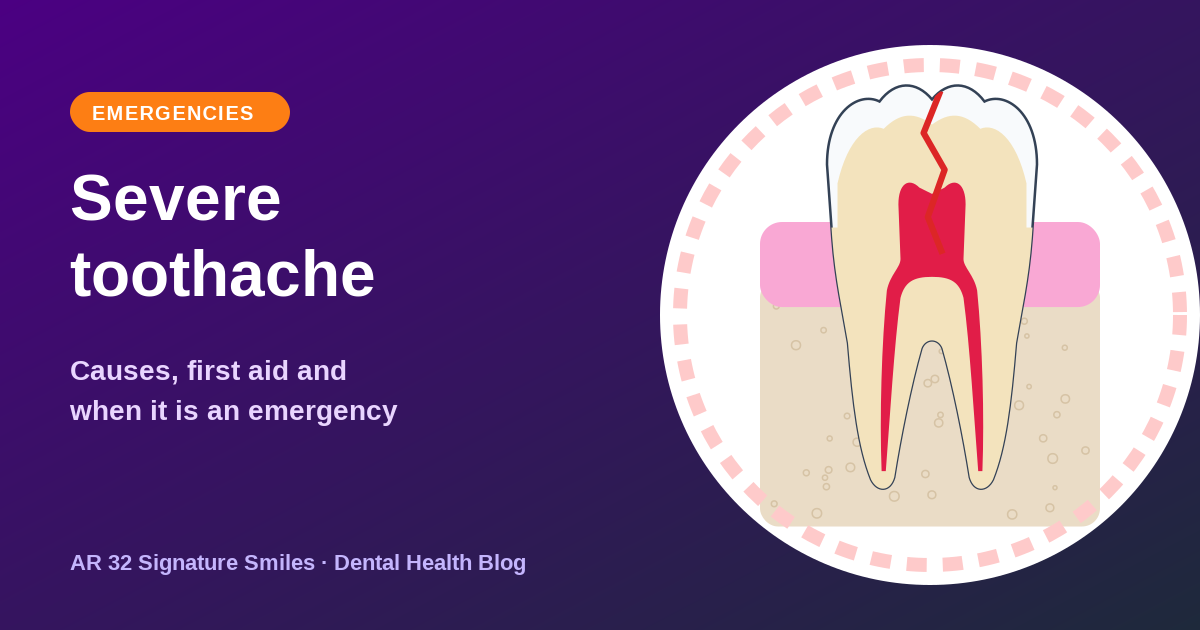 Dental emergenciesSevere toothache6 min read
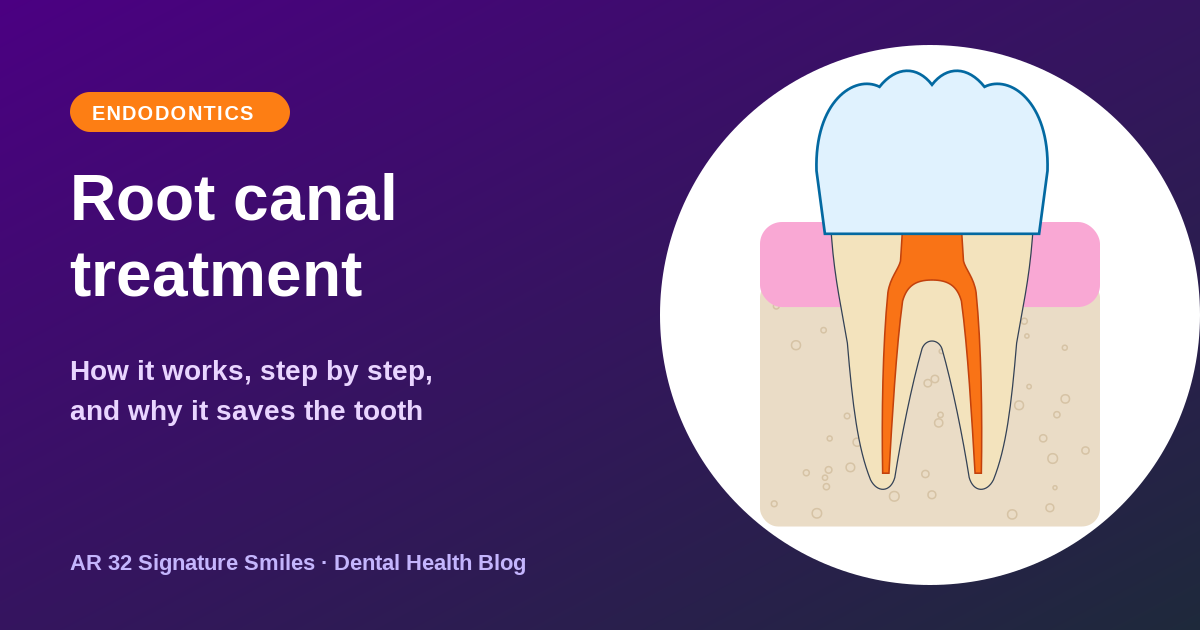 Root canal and endodonticsRoot canal treatment16 min read
 Teeth: anatomy and scienceTooth anatomy5 min read