why did my tooth start hurting after a filling
Some sensitivity to cold or biting for a few days to a few weeks after a filling is common and usually settles. Pain that is getting worse, lingers after hot or cold, wakes you at night, or makes biting sharp is not normal. It can mean the filling is slightly high, the decay was close to the nerve, or the tooth is cracked. Go back to your dentist.
You had a filling to stop the pain, and now the tooth hurts. That is understandably worrying, and some patients assume the dentist made a mistake. Sometimes that's true, but more often the cause is one of a few predictable things, and most of them can be fixed.
What is normal
- Mild cold sensitivity for a few days to a few weeks, especially after a deep filling. The pulp (the nerve and blood supply inside the tooth) has been irritated by the decay and the treatment and needs time to settle.
- Soreness of the gum around the tooth, or at the injection site, for a day or two.
- A slightly "different" feeling when you bite, which fades as you get used to the new shape.
The key sign is direction: normal sensitivity gets better week by week.
What is not normal, and what it usually means
- Sharp pain on biting, from the first day. The filling is probably slightly high. Even a fraction of a millimetre matters, because every bite bruises the ligament around the root. A quick adjustment usually ends it within a day or two. It is common, especially when the numbness made it hard to judge the bite during the visit.
- Lingering pain with hot or cold, pain that starts on its own, or throbbing at night. The decay was probably very close to the nerve, and the pulp is now inflamed beyond recovery. This happens even with careful work, because deep decay has often already damaged the pulp before the filling. The tooth may then need root canal treatment. Your dentist may have warned you of this risk before filling a deep cavity.
- Sharp pain when chewing on one spot, worse on release. A crack in the tooth, which may have been there before the filling. A crown is often the long-term answer.
- Pain when food packs in, or a gap you can catch with floss. A rough or open contact between the filling and the next tooth, which can be corrected.
- A brief electric jolt when a fork touches the tooth, or when it meets a metal filling or crown on the opposite tooth. This is a small electrical current between two metals and usually fades.
- Pain in a different tooth. Tooth pain can be referred, and sometimes the filled tooth wasn't the main problem.
What you should do
- Note what triggers the pain and how long it lasts.
- If biting hurts, go back within a few days. Don't wait months for a high spot to "settle".
- If the pain is getting worse rather than better after one to two weeks, or wakes you at night, return sooner.
- If swelling develops, call immediately.
Avoid chewing hard food on that side in the meantime, and use a desensitising toothpaste for simple cold sensitivity.
At our clinics
Your dentist will check the bite with articulating paper, test the tooth with cold, and take a digital RVG X-ray to see how close the filling sits to the nerve. Your clinical notes are in your patient portal, so if your filling was done with us, the depth of the original cavity is on record. If root canal treatment turns out to be needed, our Endodontics department may be involved. Read more about fillings on our tooth restoration page.
Want this looked at properly?
Kharadi runs late. Reception will tell you honestly whether you need an appointment yet.
Book — Rs 500 ☎ 8484990678Related questions
Read the full guide
Complete articles from our dental health blog, written by our MDS panel.
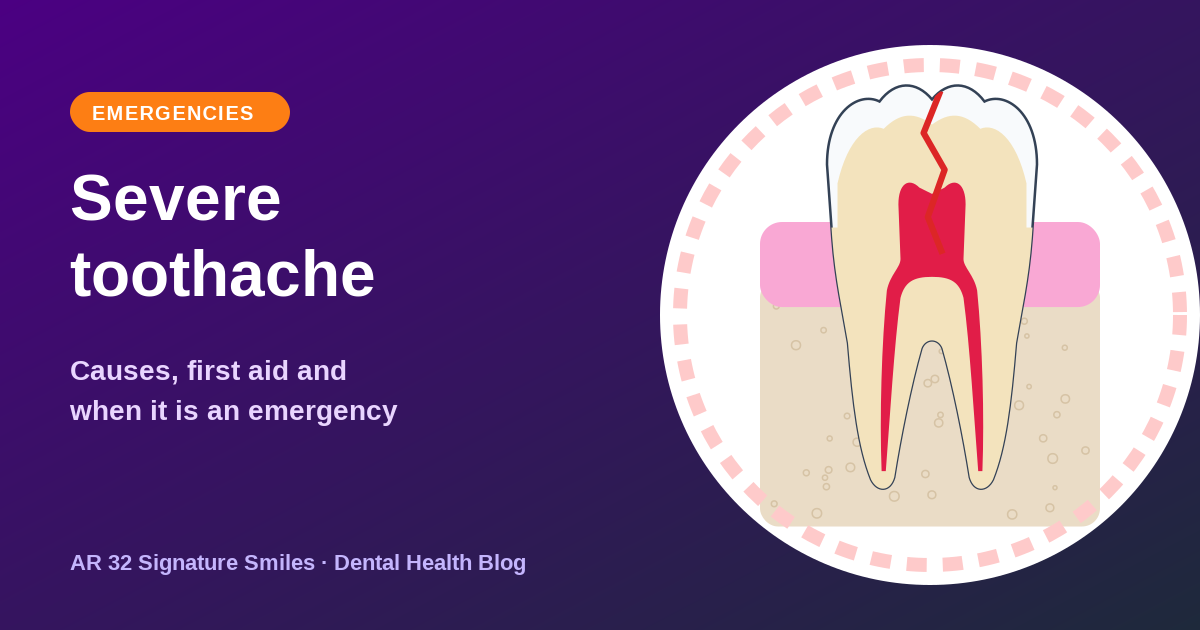 Dental emergenciesSevere toothache6 min read
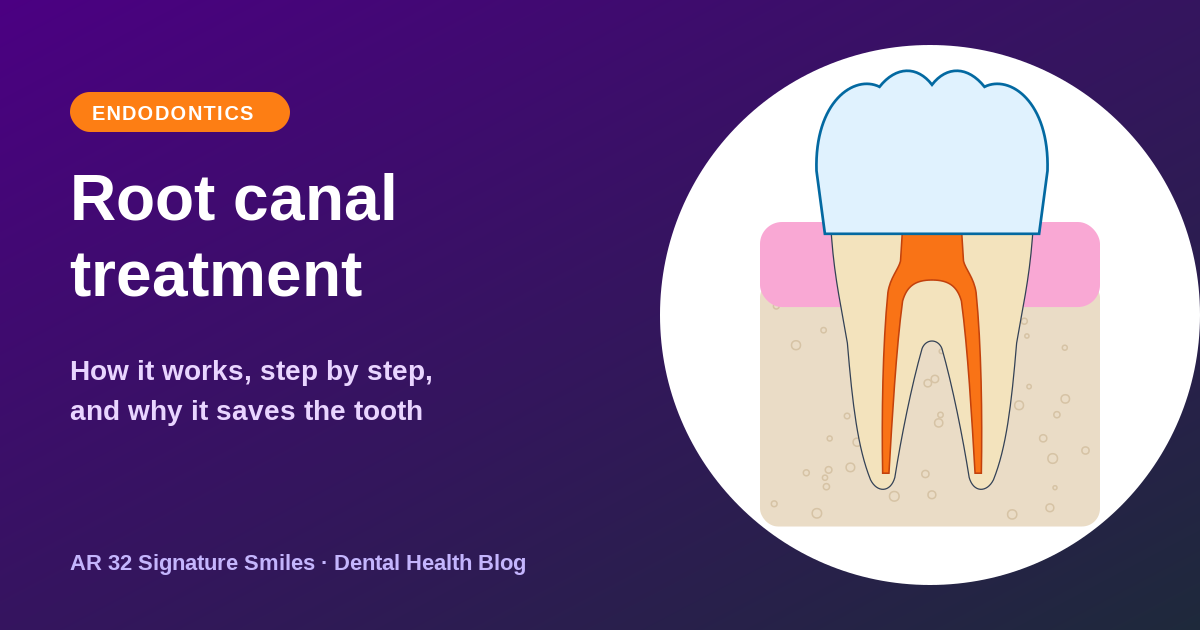 Root canal and endodonticsRoot canal treatment16 min read
 Teeth: anatomy and scienceTooth anatomy5 min read