why do painkillers not work on my tooth pain
Painkillers often fail on toothache because the cause is pressure from inflammation or infection trapped inside the tooth, and tablets can't release that pressure. Taking them too late or unevenly, and pain that is really from a nerve or the sinus, also reduce their effect. Don't keep raising the dose. The pain usually stops only when a dentist treats the tooth itself.
"I've taken three tablets and it is still pounding" is something dentists hear often, particularly late in the evening. There are good reasons for it, and one important warning: when painkillers aren't working, the answer is treatment, not more tablets.
Why the tablets aren't enough
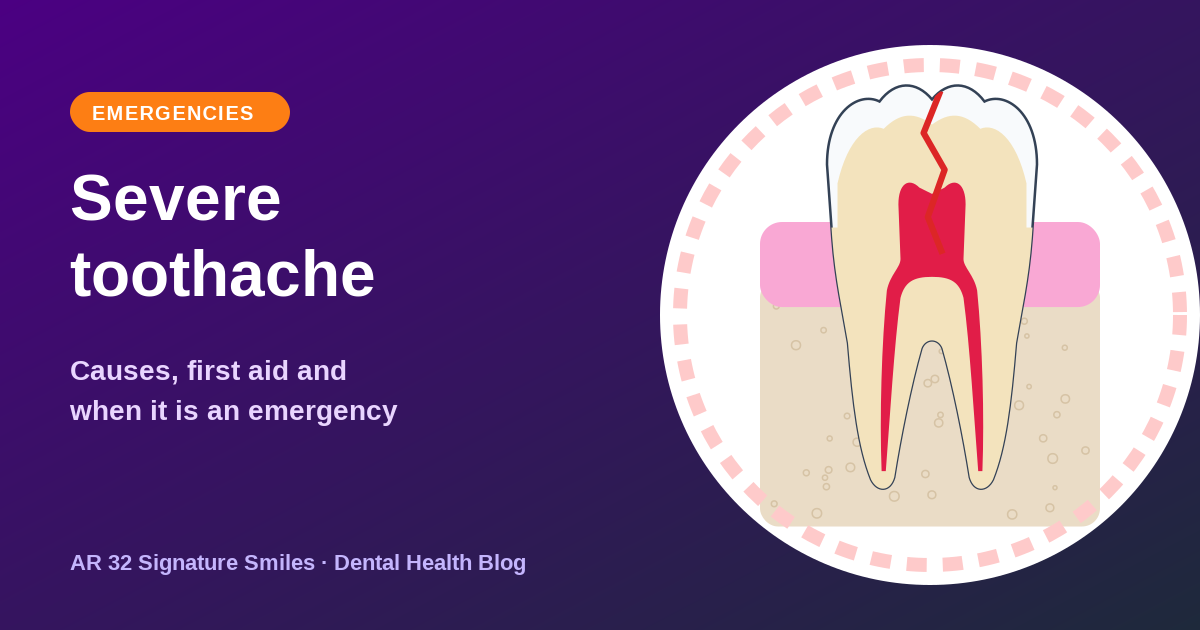
- The pressure is sealed in. The pulp (the nerve and blood supply inside the tooth) is enclosed in hard dentine. When it is badly inflamed or infected, pressure builds with nowhere to go. Painkillers turn down the signal a little, but they can't release the pressure. Opening and cleaning the tooth, or draining an abscess, can.
- An abscess is forming. Pus collecting at the root tip or in the gum causes intense, throbbing pain that tablets barely touch, often with tenderness on biting and swelling.
- The timing is off. Taking a tablet only when the pain is at its worst, then waiting too long for the next one, gives patchy relief.
- It isn't tooth pain. Nerve conditions such as trigeminal neuralgia, which cause brief electric-shock pains, don't respond well to ordinary painkillers. Pain from jaw muscles or the sinus also behaves differently.
- The source is spreading. Worsening pain with swelling or fever means infection is moving beyond the tooth.
The dangers of pushing the dose
- Paracetamol overdose can seriously damage the liver, sometimes without early symptoms. Many cold-and-flu and combination products also contain paracetamol, so it is easy to double up by accident.
- Ibuprofen, diclofenac and similar tablets can cause stomach bleeding and kidney strain, particularly on an empty stomach, in older people, or with blood pressure medicines and blood thinners.
- Alcohol with painkillers raises the risk of both.
- Stronger tablets from a friend or an old prescription may interact with your other medicines.
A pharmacist or doctor can advise whether a particular combination is suitable for you. Don't exceed the dose on the label.
What actually stops the pain
For most severe toothache, relief comes from treating the source:
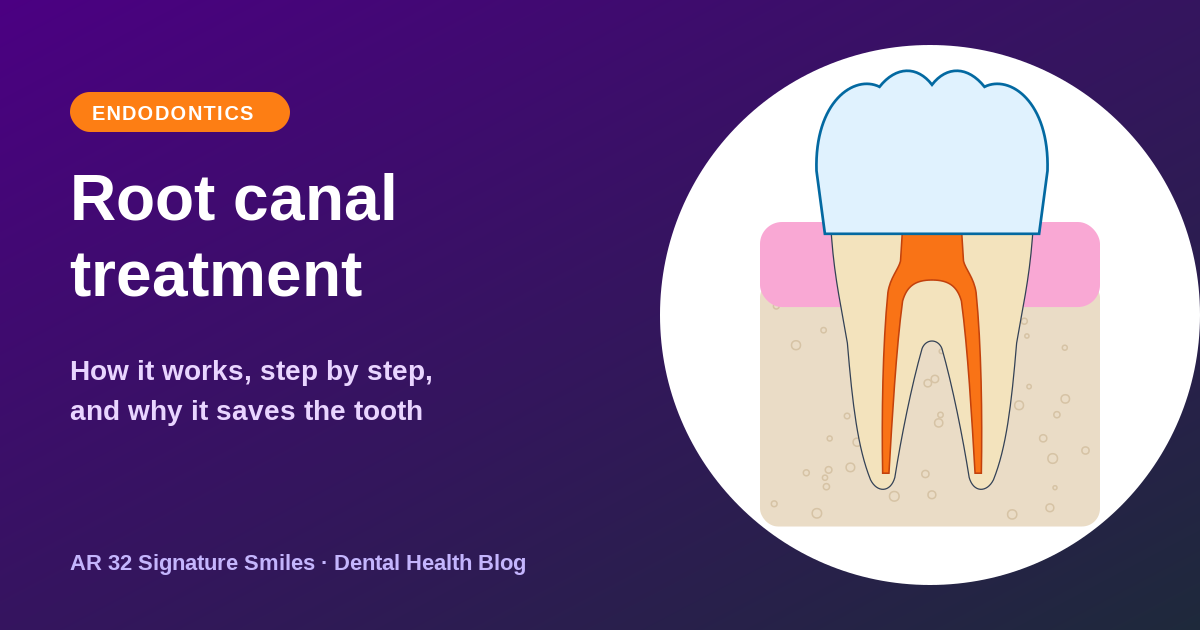
- removing the inflamed pulp and dressing the tooth, which is the first stage of root canal treatment;
- draining an abscess;
- removing the tooth if it cannot be saved;
- adjusting a high filling that is bruising the ligament around the root.
Patients sometimes worry that if tablets haven't worked, the local anaesthetic won't either. In most cases it works well. A very inflamed tooth, which dentists call a "hot tooth", can be harder to numb, so your dentist may give extra anaesthetic, wait a little longer, or use a different technique before starting. Tell them if you still feel sharp pain.
Our Endodontics department handles difficult root canal cases. You can also read our root canal page. Many teeth can be completed in one sitting, while others need two or more visits.
When to act now
If painkillers are not controlling the pain, call 8484 990 678. Our Kharadi clinic is open 8 AM to 11 PM, seven days a week. Walk-ins are seen when a chair is free, and booking is strongly advised. Go straight to a hospital emergency department if swelling spreads towards the eye or neck, or if you have trouble breathing or swallowing. More advice is on our emergency page.
Want this looked at properly?
Kharadi runs late. Reception will tell you honestly whether you need an appointment yet.
Book — Rs 500 ☎ 8484990678Related questions
Read the full guide
Complete articles from our dental health blog, written by our MDS panel.
 Dental emergenciesSevere toothache6 min read
 Root canal and endodonticsRoot canal treatment16 min read
 Teeth: anatomy and scienceTooth anatomy5 min read