can receding gums cause sensitivity
Yes, receding gums are one of the most common causes of sensitivity. When the gum pulls back, it exposes the root, which has no enamel and only a thin covering that wears away easily, leaving dentine open to cold and touch. Treating the cause of the recession, usually gum disease or hard brushing, matters as much as treating the sensitivity.
If your sensitivity is right at the gumline, and a cold breeze on a two-wheeler ride makes your teeth ache, receding gums are a likely cause. The crown of the tooth, the part normally visible, is protected by enamel. The root is not. It is covered only by a thin layer called cementum, which wears off quickly once exposed, and underneath it is sensitive dentine.
Why gums recede
- Gum disease (periodontitis): long-standing plaque and tartar inflame the gums and destroy the bone that supports the teeth, so the gum follows the bone down. This is often painless until it is advanced.
- Brushing too hard with a hard brush or sideways scrubbing.
- Tobacco: gutkha, mishri and kept-in-the-cheek tobacco damage the gum at the spot where they are held. Smoking also hides bleeding, the usual early warning.
- Grinding and clenching, which overload the teeth.
- Thin gums, crooked teeth or tooth movement during braces, which leave some teeth with very little gum and bone on one side.
- Age adds slowly, but recession is not simply "normal ageing".
Our page on gum recession explains the stages in more detail.
Signs to look for
- Teeth that look longer than they used to.
- A visible yellowish band near the gumline, where the root shows.
- Gaps or dark triangles appearing between teeth.
- Bleeding gums, bad breath or teeth that feel slightly loose, which suggest gum disease is active.
Treating the sensitivity and the cause
Sensitivity from exposed roots often improves with a desensitising toothpaste, a soft brush and fluoride varnish applied by your dentist. Where the root has worn into a notch, a tooth-coloured composite filling can cover it. But if the gums are still receding, these only manage the symptom.
When gum disease is the cause, the first step is a professional deep cleaning (scaling) to remove tartar above and below the gumline. Our current published fee for ultrasonic scaling is from ₹2,500 to ₹4,500 depending on the grade of cleaning needed. Deeper pockets may need flap surgery, a procedure where the gum is gently lifted to clean the roots; our current published fee is ₹8,000. These are listed on our online store, and the final cost is confirmed after examination. In some cases a gum graft can cover exposed roots; whether that is suitable, and what it would cost, is something the specialists in our periodontics department would assess. Dr Avinash or Dr Rashmi sees you first and brings in a specialist if needed.
What we can and cannot promise
Gum and bone that have been lost do not grow back on their own, and not every recession can be fully covered surgically. The realistic goal is to stop it getting worse, protect the exposed roots and keep the teeth comfortable. Caught early, that is very achievable. For more, see our gum disease questions.
Want this looked at properly?
Kharadi runs late. Reception will tell you honestly whether you need an appointment yet.
Book — Rs 500 ☎ 8484990678Related questions
Read the full guide
Complete articles from our dental health blog, written by our MDS panel.
 Teeth: anatomy and scienceTooth anatomy5 min read
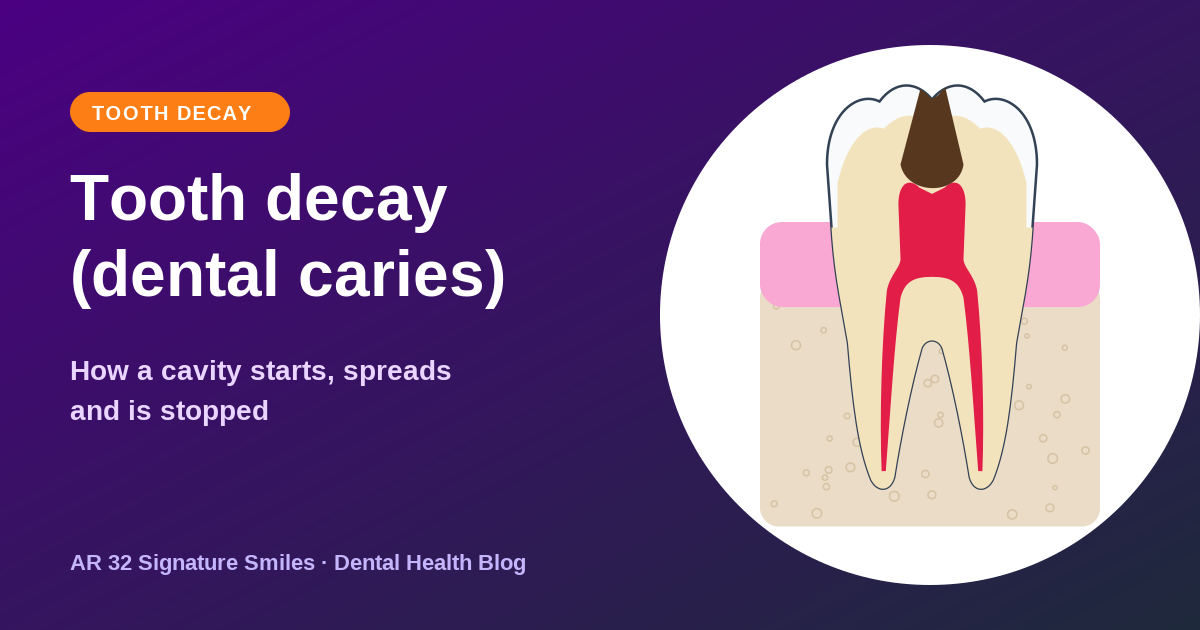 Tooth decay and fillingsTooth decay (dental caries)12 min read
 Oral health and general healthDiabetes and oral health5 min read