is tooth sensitivity a sign of decay
Sometimes, but not always. Sensitivity can come from decay, but it is just as often caused by worn enamel, receding gums, a crack or recent dental work. Sensitivity to sweets, or pain that stays in one tooth, points more towards decay. Only an examination, usually with a small X-ray, can confirm whether a cavity is there.
Patients often arrive sure they have a cavity because a tooth twinges with cold water, and sometimes they are right. Just as often the tooth is perfectly sound and the cause is an exposed root or worn enamel. The pattern of your sensitivity gives useful clues, but it cannot replace an examination.
How decay causes sensitivity
Decay starts in the enamel, which has no feeling, so early cavities are usually painless. Once decay reaches the dentine underneath, it opens the tiny fluid-filled tubes that lead to the pulp (the nerve and blood supply inside the tooth). From that point, cold, sweet and sometimes hot food can trigger pain. The deeper the decay goes, the stronger and longer-lasting the pain tends to become. Our page on symptoms of decay in dentine describes this stage in detail.
Clues that point towards decay
- Sweets hurt: sugar sensitivity is a strong hint of a breach in the enamel.
- One tooth, one spot: decay is local, so the pain is usually in one place.
- Food keeps catching between two particular teeth.
- A dark shadow, brown spot or hole you can see or feel with your tongue.
- Pain that lingers for more than a few seconds after the trigger is removed.
Clues that point elsewhere
- Several teeth are sensitive, especially near the gumline, often from recession or brushing too hard.
- It started after cleaning, whitening or a new filling, which commonly settles by itself.
- Sour and acidic food is the trigger, suggesting erosion.
- Pain only on biting or releasing a bite, which points more to a crack or a high filling.
None of these lists is a diagnosis. Decay between teeth or under an old filling can be completely hidden, and two causes can exist together.
How your dentist tells the difference
At the examination your dentist takes a history of when and how the tooth hurts, looks at each surface, and may gently test teeth with cold or air. A small digital X-ray called an RVG (radiovisiography) shows decay between teeth and under fillings that the eye cannot see. We use a digital RVG sensor at our clinics. Our current published fee is ₹500 for a booked consultation and ₹500 for an RVG X-ray; you can see the list on our online store. Any treatment cost is confirmed after the examination.
Why it is worth checking early
A small cavity caught at the sensitivity stage can usually be repaired with a simple tooth-coloured filling. The same cavity left for a year can reach the nerve and need root canal treatment and a crown, which is more time, more visits and more money. If the cause turns out to be exposed dentine rather than decay, the good news is that the fix is often a toothpaste and a change in brushing habit. Either way, knowing beats guessing. You can book a consultation online or read more on our tooth decay questions page.
Want this looked at properly?
Kharadi runs late. Reception will tell you honestly whether you need an appointment yet.
Book — Rs 500 ☎ 8484990678Related questions
Read the full guide
Complete articles from our dental health blog, written by our MDS panel.
 Teeth: anatomy and scienceTooth anatomy5 min read
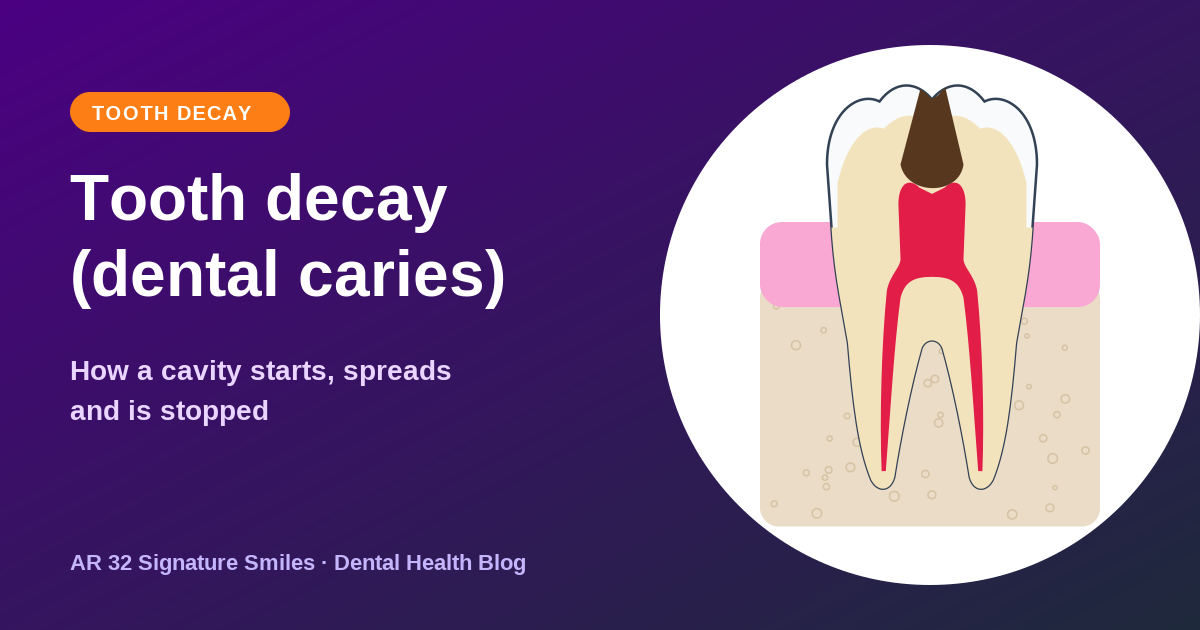 Tooth decay and fillingsTooth decay (dental caries)12 min read
 Oral health and general healthDiabetes and oral health5 min read