why do my teeth feel sensitive after scaling
Teeth often feel sensitive after scaling because tartar was covering parts of the root, and those surfaces are now exposed to cold, air and sweet things. Swollen gums also shrink back as they heal. This usually settles within one to two weeks with a desensitising toothpaste. Sensitivity lasting beyond three weeks, or sharp pain in one tooth, needs a check.
Many patients leave a cleaning pleased with how smooth their teeth feel, then wince at their first sip of cold water. It can feel as though the cleaning has damaged something. In almost every case it has not. The sensitivity is a sign that surfaces which were hidden are now back in contact with the mouth.
Why it happens
- The root surface is exposed: the crown of a tooth is covered in enamel, but the root is covered only by a thin layer called cementum, with dentine (the layer containing tiny fluid-filled tubes that lead to the nerve) beneath it. When thick tartar sat on the root, it acted as an insulating blanket. Once removed, cold and air reach the dentine directly.
- Gums shrink as swelling goes down: inflamed gums are puffy and cover more of the tooth. As they heal over the following days, they tighten and sit slightly lower, revealing a little more root.
- Deep cleaning goes further: if your dentist cleaned under the gums for gum disease, more root surface is involved, so sensitivity is usually more noticeable and lasts a bit longer.
The scaling has not thinned or removed your enamel. A properly used ultrasonic scaler removes deposits, not tooth.
What helps, day by day
- Use a desensitising toothpaste containing potassium nitrate or stannous fluoride, twice a day. At night, smear a little on the sensitive areas after brushing and do not rinse it off. It takes a few days to build up its effect.
- Brush gently with a soft brush. It is natural to avoid the sore area, but plaque left on the root makes sensitivity worse.
- Avoid extremes for a few days: very cold water, ice cream, chilled cold drinks, and piping hot chai straight from the stove.
- Cut back on acidic foods and drinks such as citrus, pickles, cola and sour candy, which open up the dentine tubes further.
- Do not stop the cleaning routine you were given. Flossing and brushing keep the gums healing.
How long it should last
For most people, mild sensitivity fades over one to two weeks as the gums settle and saliva naturally starts to seal the dentine tubes. After a deep cleaning it may take three to four weeks. It should get steadily better each day, not worse.
When it is something else
Please contact us if:
- sensitivity is still strong after three weeks;
- pain is in one specific tooth rather than a general area;
- pain lingers for more than a few seconds after the cold is gone, or wakes you at night;
- it hurts to bite on one tooth.
These suggest a problem the tartar may have been hiding, such as decay at the gumline, a cracked tooth, or a leaking old filling. Your dentist may take an X-ray, and the fix might be a simple filling, a protective varnish over the exposed root, or further treatment. You can read more about dentine hypersensitivity and browse our sensitive teeth questions.
If you already have sensitive teeth before a cleaning, tell your dentist at the start. A numbing gel or local anaesthetic can make the appointment comfortable, and a fluoride varnish at the end can reduce the after-effects.
Want this looked at properly?
Kharadi runs late. Reception will tell you honestly whether you need an appointment yet.
Book — Rs 500 ☎ 8484990678Related questions
Read the full guide
Complete articles from our dental health blog, written by our MDS panel.
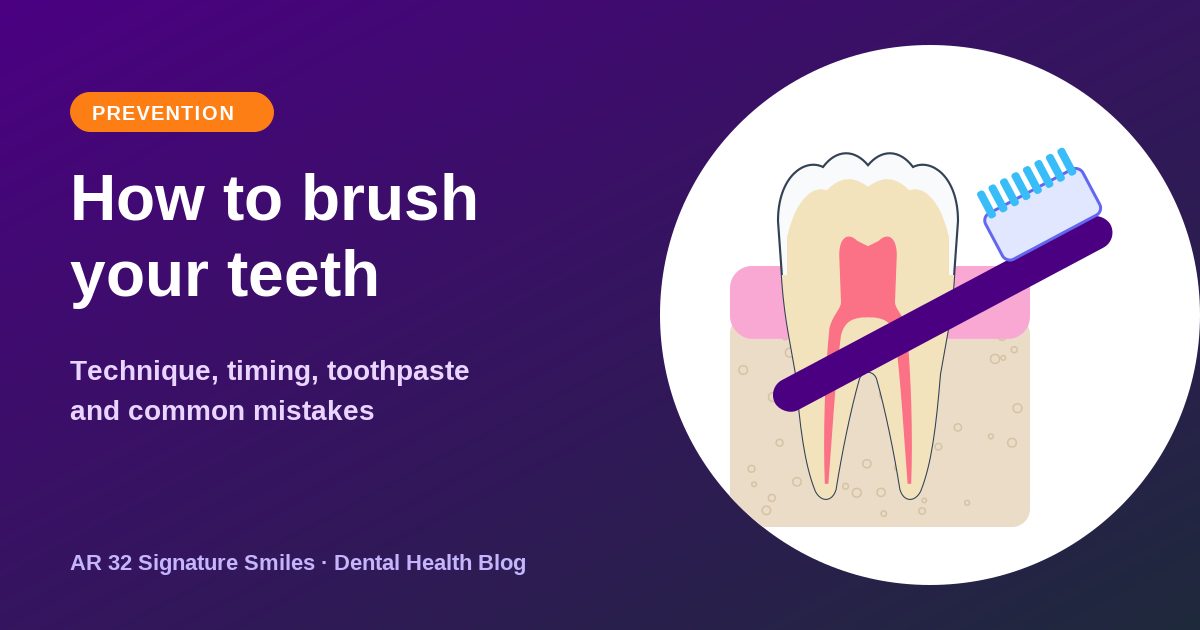 Prevention and oral hygieneHow to brush your teeth5 min read
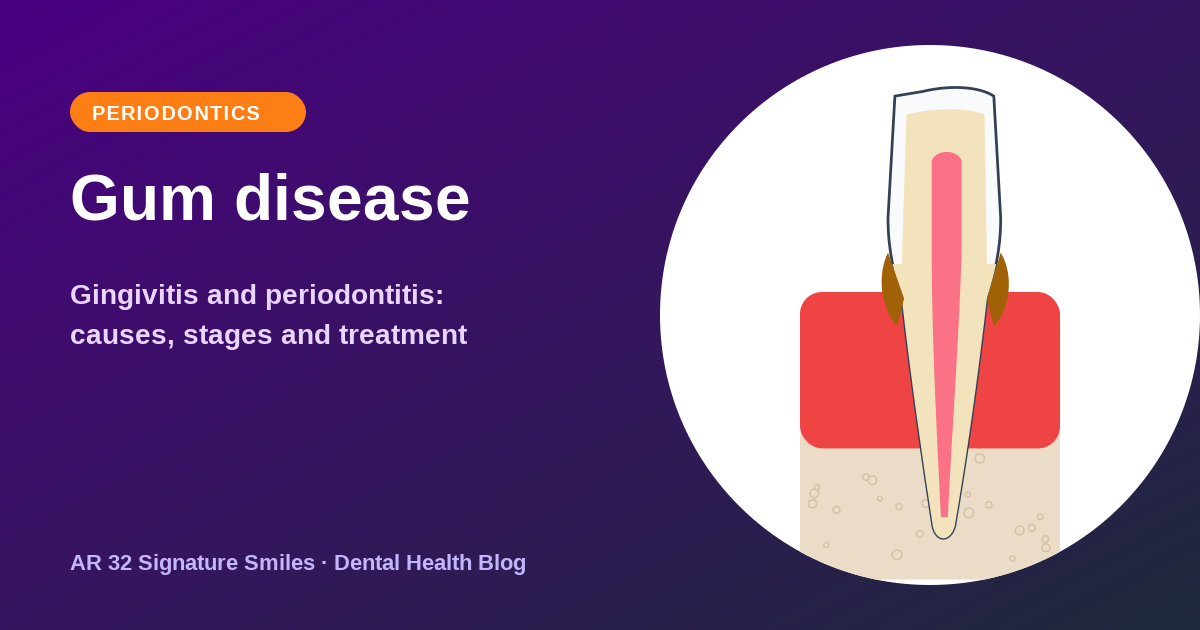 Gum health and periodonticsGum disease (gingivitis and periodontitis)11 min read
 Teeth: anatomy and scienceTooth anatomy5 min read