A dental diagnosis is usually reliable for common problems like cavities, gum disease and abscesses, especially when an examination is combined with an X-ray. It is less certain for cracks, early pulp inflammation and pain that moves around, where your dentist may need tests, time or a second visit before being confident.
Most everyday dental diagnoses are dependable. A visible cavity, tartar under the gums, a pus-filled swelling or a broken filling is hard to miss when an experienced dentist looks properly and takes the right X-ray. The difficulty lies in a smaller group of problems that hide, mimic each other or change from week to week. Knowing which group your problem falls into helps you judge how much confidence to place in what you are told.
Accuracy comes from combining several pieces of evidence rather than relying on one. Your history (when it hurts, what triggers it, how long it lasts) is often the most useful single clue. Then come the clinical tests, a good-quality X-ray, and sometimes time itself. For complex cases, such as implant planning or a suspected extra canal, a CBCT (a 3D dental scan) may be advised; we'll tell you where it's done and what it costs.
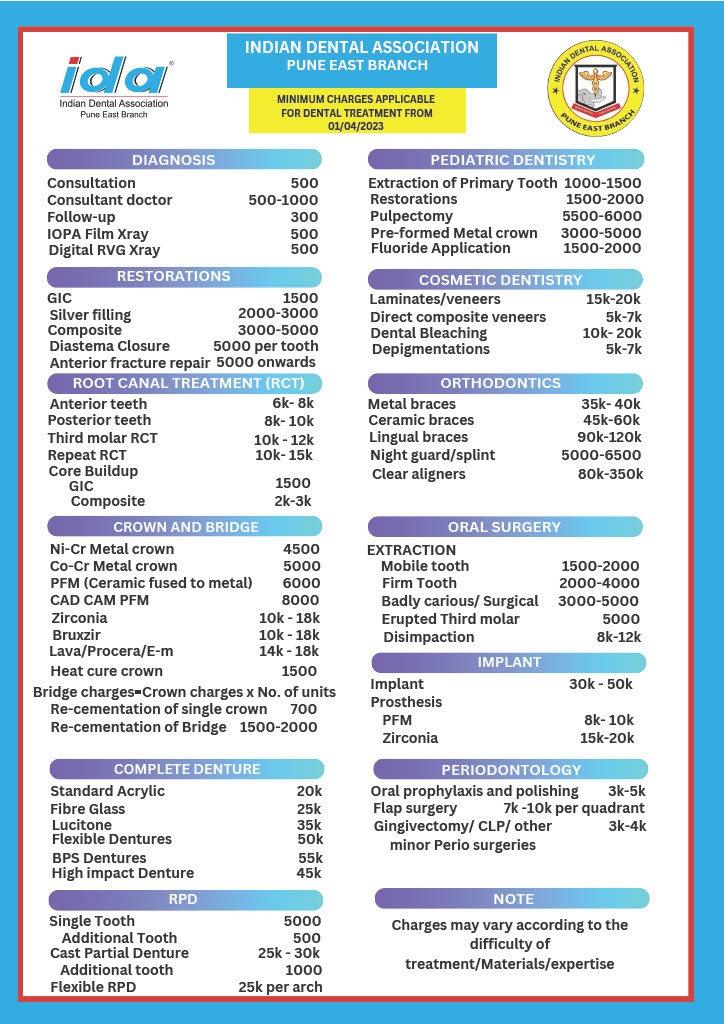
At our clinics each appointment is planned for 80 minutes, which leaves room to take a proper history and examination rather than diagnosing from a quick look. Where we use X-rays, we use a digital RVG sensor; our current published fee for an RVG X-ray is ₹500, listed in our online store, and the final cost of any treatment is confirmed after examination.
No diagnosis is perfect, and you are entitled to ask how confident your dentist is and what would change their mind. Read more about our approach on the dental diagnosis page and the diagnosis questions hub.
Kharadi runs late. Reception will tell you honestly whether you need an appointment yet.
Book — Rs 500 ☎ 8484990678