Adult teeth sometimes come in behind milk teeth, especially the lower front teeth at around six or seven, because the milk tooth's roots have not dissolved fully. Often the milk tooth loosens and falls out within a few weeks, and the tongue pushes the new tooth forward. If the milk tooth is still firm after two to three months, see a dentist.
Parents often notice it while brushing: a new, larger tooth peeping through behind the lower front teeth, giving a double row that people call "shark teeth". It looks alarming, but it is one of the most common things children's dentists see, and it is usually easy to handle.
Normally, the adult tooth growing beneath a milk tooth slowly dissolves the milk tooth's roots as it moves up. The milk tooth gets loose, falls out, and the adult tooth takes its place. Sometimes the adult tooth takes a slightly different path, usually towards the tongue side, and does not press directly on the milk roots. The milk tooth stays put while the adult tooth comes up behind it.
This is most common with the lower front teeth at around six to seven years. It can also happen with upper teeth, and with canines and premolars later, between nine and twelve.
In many children, the milk tooth becomes loose once the adult tooth is through, and falls out within weeks. The tongue then gradually pushes the new tooth forward into line. Waiting is often reasonable if:
See a dentist if:
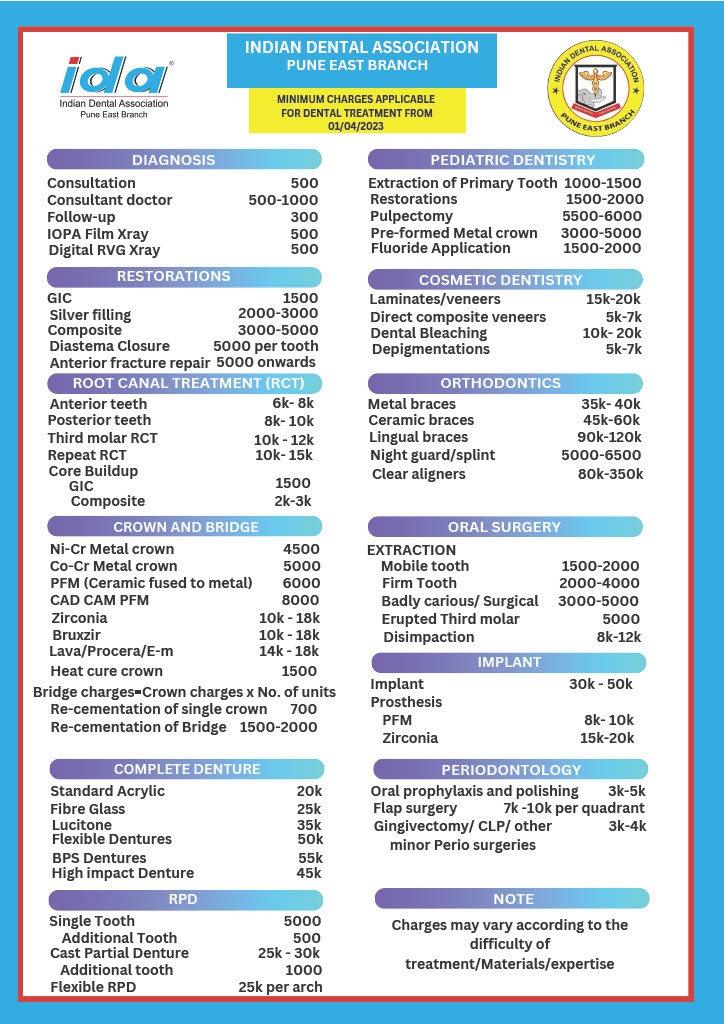
The usual solution is a simple extraction of the milk tooth. Because its roots are partly dissolved, this is typically quick and done with a small amount of local anaesthetic (numbing). Once it is out, the adult tooth usually moves forward on its own over the next few months. A small digital X-ray (an RVG) may be taken first to check the roots and the position of the other adult teeth.
Sometimes. Adult front teeth are much bigger than the milk teeth they replace. If there were no gaps between your child's milk teeth, there may not be enough room, and the new teeth may come in slightly crooked. Mild crowding of the lower front teeth at seven or eight often improves as the jaw grows, but marked crowding is worth an orthodontic check at this age. See our page on crowded teeth.
Don't try to pull a firm milk tooth at home with a thread or by twisting it. It hurts, can break the tooth and leave root fragments behind, and often makes the child afraid of the dentist. A gentle wiggle by the child is fine; force is not.
For children under 10, a paediatric dental specialist can check whether the milk tooth needs to come out. More on children's teeth is on the kids' dentistry hub.
Kharadi runs late. Reception will tell you honestly whether you need an appointment yet.
Book — Rs 500 ☎ 8484990678