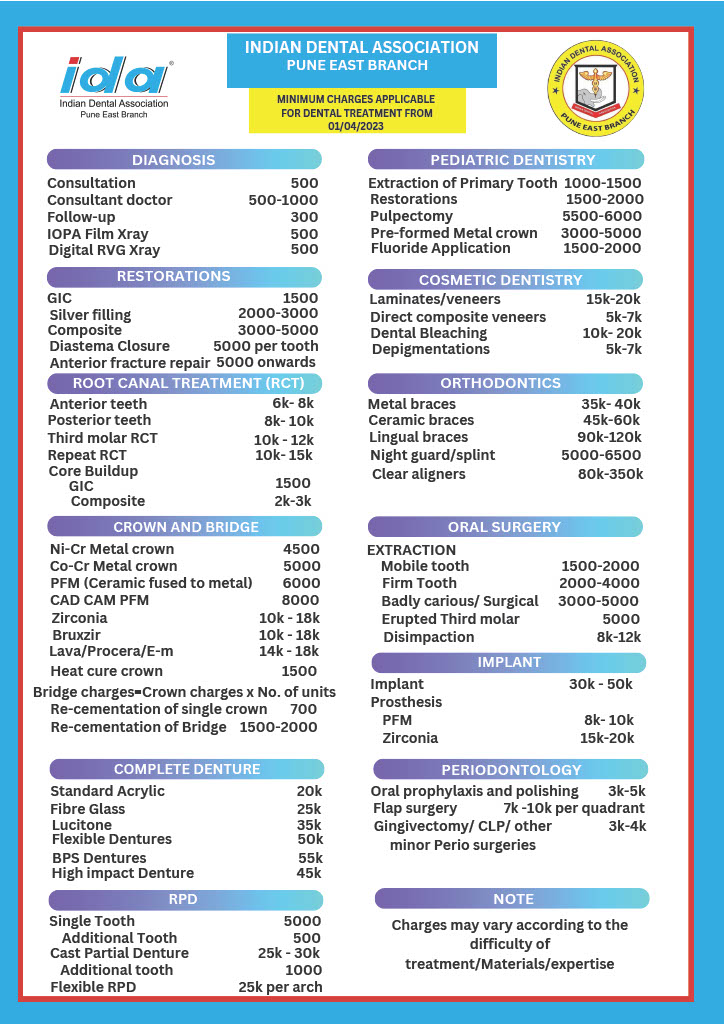
RCT stands for Root Canal Treatment. It is a micro-surgical procedure used to save a tooth when its internal nerve becomes heavily infected or irreversibly damaged. The dentist removes the infected tissue, sterilizes the hollow chamber, and permanently seals it to prevent future bacterial attacks, eliminating pain while keeping your natural tooth.
RCT stands for Root Canal Treatment. When patients hear this acronym, they often immediately associate it with pain, but the clinical reality is exactly the opposite. RCT is the specific micro-surgical procedure we use to permanently eliminate severe tooth pain and save a natural tooth that would otherwise need to be extracted from your jaw.
Deep inside the hard outer layers of your tooth (the enamel and dentine) lies a hollow chamber called the root canal. This chamber houses the dental pulp, which is a living network of nerves and blood vessels. When a deep cavity is ignored, or if a tooth suffers a traumatic physical crack, aggressive oral bacteria invade this chamber. The bacteria multiply rapidly, causing a severe infection. Because the nerve is trapped inside a hard biological shell, the resulting inflammation creates immense pressure, leading to the throbbing, unbearable pain that keeps you awake at night. Once the bacteria reach the pulp, a standard filling will no longer work. The only two options left are to extract the tooth entirely, or perform an RCT to save it.
A root canal treatment is essentially a microscopic rescue mission for a dying tooth. The procedure is broken down into three critical phases:
Here is what many volume-driven clinics will not tell you: a proper root canal cannot be rushed. It is a highly precise, time-consuming micro-surgery. Doing it correctly requires strict isolation (using a rubber dam so saliva does not contaminate the open tooth), digital apex locators to measure the exact microscopic length of the root, and high-resolution digital RVG X-rays to verify the final seal. When an RCT is rushed in fifteen minutes or done with outdated manual files to keep the price artificially low, microscopic nerve branches are almost always missed. Leaving even a fraction of infected tissue behind guarantees the tooth will fail, rot from the inside out, and form a painful hidden abscess months or years later.
Once a tooth has undergone an RCT, it is biologically dead. It no longer has a blood supply, which means over time, the remaining tooth structure becomes dehydrated and incredibly brittle. If you bite down on a hard piece of food, an unprotected root-canal-treated tooth can easily split perfectly down the middle, rendering it completely unsalvageable. This is why a custom-fitted dental crown is fundamentally required to protect and bind the remaining tooth structure together, ensuring your rescued tooth functions normally for decades.
Kharadi runs late. Reception will tell you honestly whether you need an appointment yet.
Book — Rs 500 ☎ 8484990678