
01
Quality
The same crown can be built five ways at five prices. On the day they look identical. The difference shows up in year four, in whether the margin still seals and the tooth underneath is still sound.
Before your first appointment
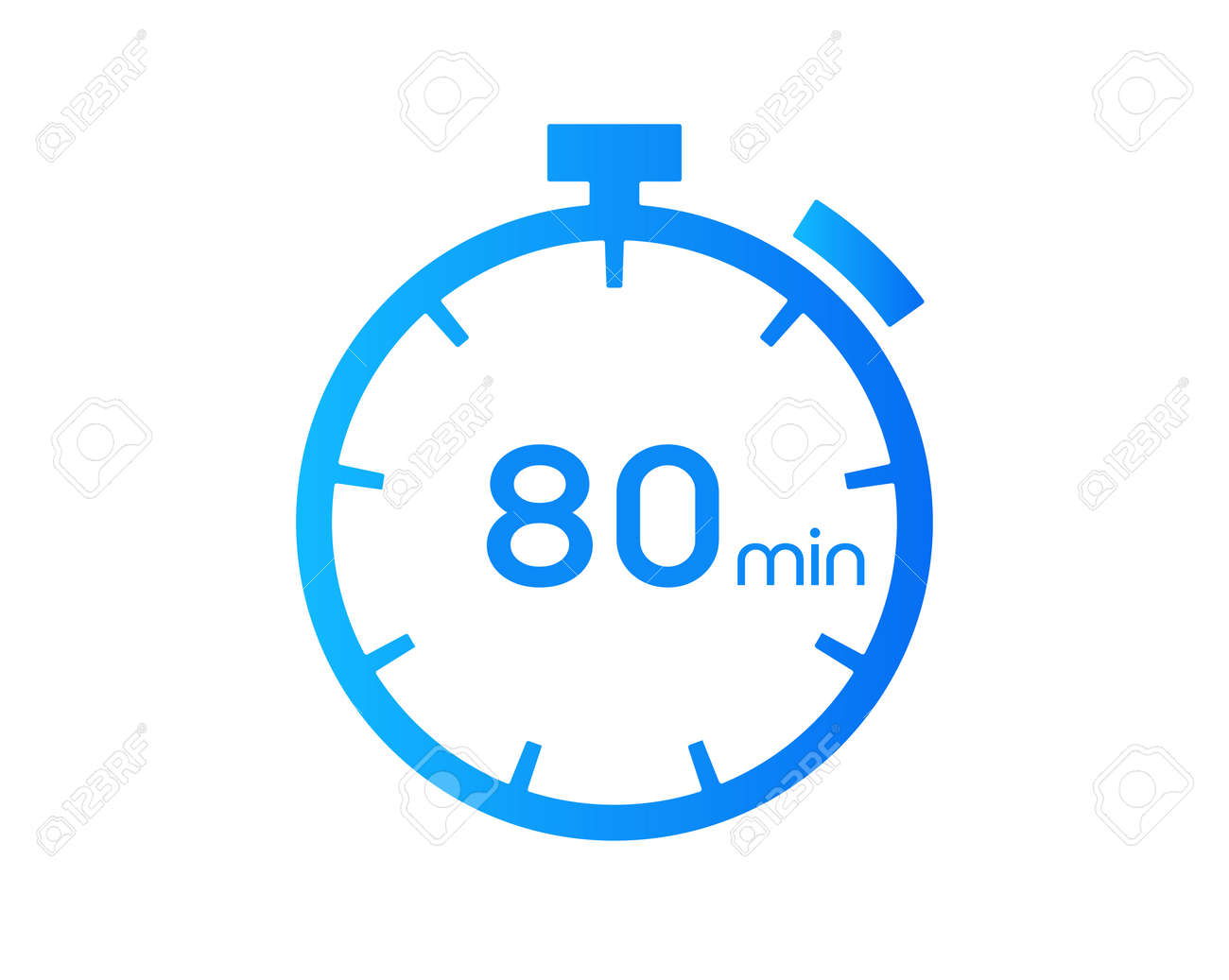
Not because we cannot fill the chair. Because eighty minutes is what your treatment actually takes — and we would rather do seven properly than twenty quickly.
The arithmetic
Both of the rows below are one working day at one dental chair, drawn to the same scale. The difference between them is the whole reason this page exists.
Eighty minutes each. The block is the appointment.
Eighty minutes is not eighty minutes of drilling. It is your history, the examination, the imaging and what it actually shows, the plan and the alternatives to it explained until you can repeat them back, the treatment, the sterilisation cycle before the next patient, the notes, and the instructions that go to the lab. Take any one of those out and the appointment gets shorter. So does the result.
The same day, cut into twenty-five minute slots.
Twenty-five minutes is enough to carry out a procedure. It is not enough to be certain it was the right one. Something has to give, and what gives first is never the drilling — it is the history, the second look at the radiograph, and the conversation where you were meant to be told what else could have been done instead.
We are not slower than anyone else. We are simply not doing three things at once while you are in the chair.
What we believe
You arrive with a problem, or with a suspicion that there is one. We examine, we image where imaging will tell us something, and then we sit and explain what we found: what it is, what it will do if it is left, what can be done about it, what each of those options costs, and what we would advise if you were family.
Then you decide. Not at the chair, under a light, with an instrument in your mouth — afterwards, sitting up, in your own time, with the plan written down. Nobody at this clinic is paid more for talking you into something, because nobody at this clinic is paid on what you spend.
Most of our patients come to us because somebody they know sent them. That is the only marketing that has ever worked for a dentist, and it is the only one that survives a bad outcome. Which is why we would rather lose an appointment than take one we cannot do properly.
The honest question
Eight things. They are the same eight anywhere in the world, and none of them appear on a price list — which is exactly why a price list is a poor way to choose a dentist.
The same crown can be built five ways at five prices. On the day they look identical. The difference shows up in year four, in whether the margin still seals and the tooth underneath is still sound.

Built one patient at a time and lost in a single bad case. It is the reason we will not take on more work than we can stand behind — a reputation is not an asset you can rebuild by discounting.

Who is actually holding the instrument, and what did they train in? A BDS is a dentist. An MDS is a dentist who then spent three more years in one subject. On a difficult case that gap is the entire outcome.

Two thousand square feet at Kharadi, with a dedicated operatory for surgery and implants. Space is not luxury in a clinic; it is what lets a sterile field stay sterile and a surgical case stay a surgical case.
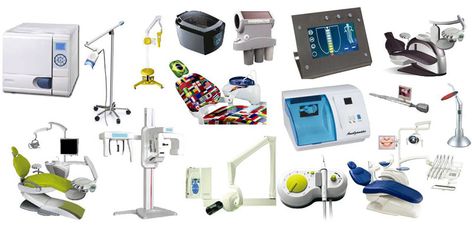
Imaging you can trust, an implant motor, an endodontic motor, digital radiography, a portable X-ray unit. Equipment does not make a dentist good. Its absence reliably makes a good dentist slower and less certain.
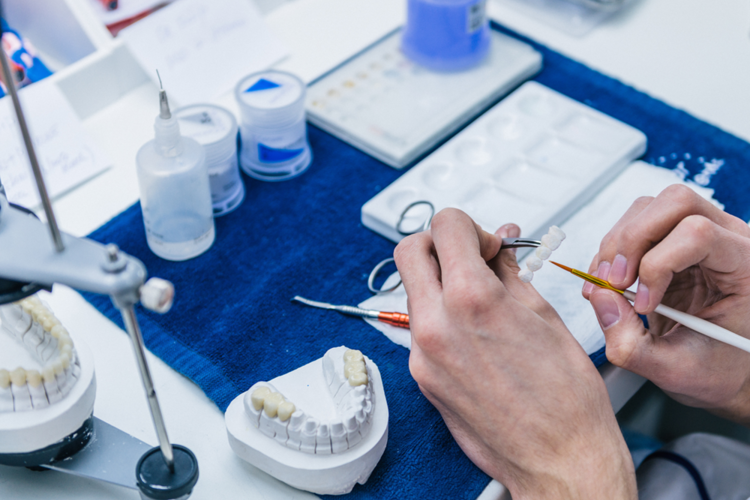
Half of a crown, a denture or a bridge is made by somebody you never meet. A cheaper lab is the easiest saving in dentistry to make and the one the patient feels for the longest.
A B-class autoclave, single-use where single-use belongs, and a full sterilisation cycle between patients. That cycle takes real minutes, and those minutes are one reason a day holds seven appointments and not twenty.
The one nobody advertises, and the one every other item on this list depends on. Time is the only thing a clinic cannot buy more of, borrow, or install. It can only be given to you or given to somebody else.
The rule of X
Think of anything you have ever bought — a shirt, a car, a hotel room, a meal. There is a version at half the price, a version at the price, and a version at twice it. All three do the same job on paper. Nobody is confused about why they cost what they cost.
X⁄2
Something has been removed to get there. That is not an accusation, it is arithmetic — the material, the lab, the time, the person doing it, or the sterilisation between. One of them.
X
The market price. Competent, standard materials, a standard slot. Most dentistry in most cities happens here, and for a great deal of dentistry that is entirely right.
2X
Specialist hands, premium materials, a lab that designs rather than fabricates, and the time to plan the case before touching it. You are not paying for the procedure. You are paying for how long it lasts.
Here is what makes dentistry different from the shirt. With a shirt you can see the stitching before you pay. With a root canal or an implant you cannot see anything, and the difference between X⁄2 and 2X does not reveal itself on the day — it reveals itself in year three, five or ten, by which time the saving is long spent and the tooth is not always recoverable.
That is the only reason we write pages like this one. If you could see the difference, we would not need to explain it.
Why this is hard here
None of this is a complaint. It is the ground every dental clinic in this country stands on, and it explains why so many end up running twenty appointments a day whether they wanted to or not.
Specialist dental care is a recent arrival in most Indian cities. Patients are not yet used to being referred to a specialist for teeth the way they would be for a heart or a knee.
Chairs, imaging, implant systems and instruments are largely imported and priced accordingly, on top of urban rent, staff and running costs. A clinic carries all of that before it sees the first patient of the day.
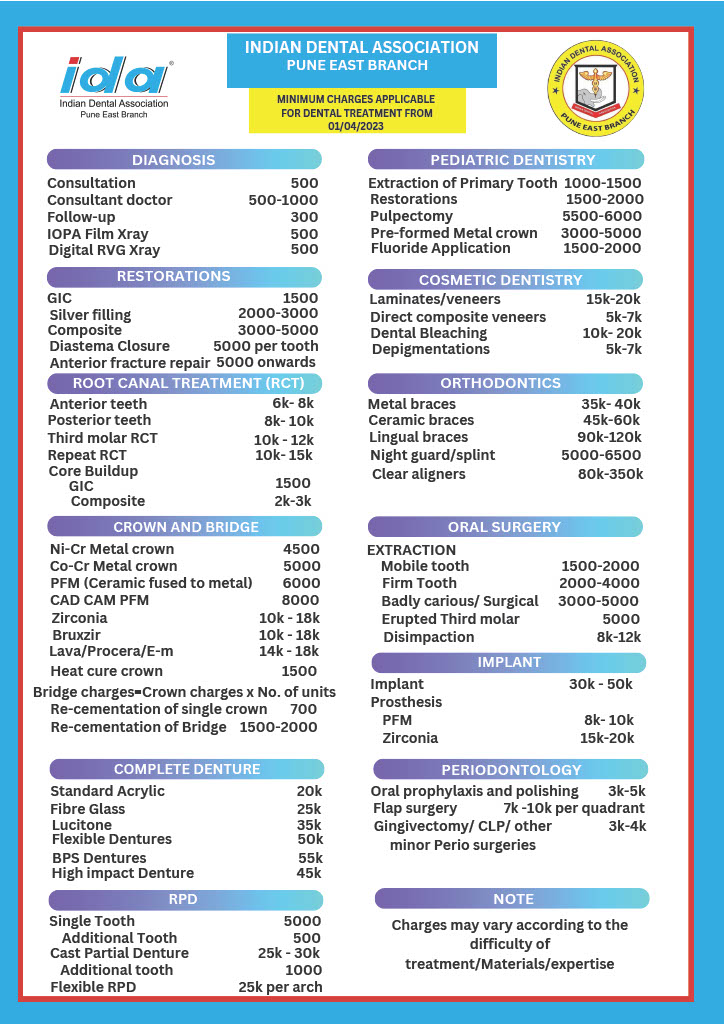
Medical insurance in India rarely covers dentistry, and where it does the cover is nominal. Every rupee of dental treatment comes out of the patient's own pocket, which makes price the loudest signal in the room.
Most people cannot tell a good crown from a poor one, or a completed root canal from an incomplete one — so the decision falls back to whatever can be compared, which is the fee.
Teeth can be put off. People wait, try home remedies, and arrive when the pain finally wins — by which point the cheap option has usually expired and the treatment needed is bigger than it was.
Dentists cluster in cities while whole districts have almost none. In a city that means many clinics competing for the same patients on the same street, and the fastest way to win that fight is to be cheaper.
Put those six together and every clinic arrives at the same fork in the road.
Compete on price. It is the easier road and there is no shame in taking it — but it has a direction of travel:
Nothing here fails immediately. That is the trouble with it — it fails quietly, in somebody's mouth, years later.
Compete on outcome. It costs more to run and it means seeing fewer people:
AR 32 chose to fight. Everything on this page is what that choice costs — and our fees are where that cost lands.
Who treats you
A BDS graduate is a qualified dentist and every dentist alive has been one, Dr Avinash included. An MDS is that same dentist after three further years spent in a single subject — surgery, or root canals, or gums, or braces — under supervision, examined, with a thesis at the end of it.
What those three years buy is not mainly technique. It is judgement: knowing which cases are not what they first appear to be, when to stop and reassess, and when the honest answer is that this tooth cannot be saved and pretending otherwise will cost you more later.
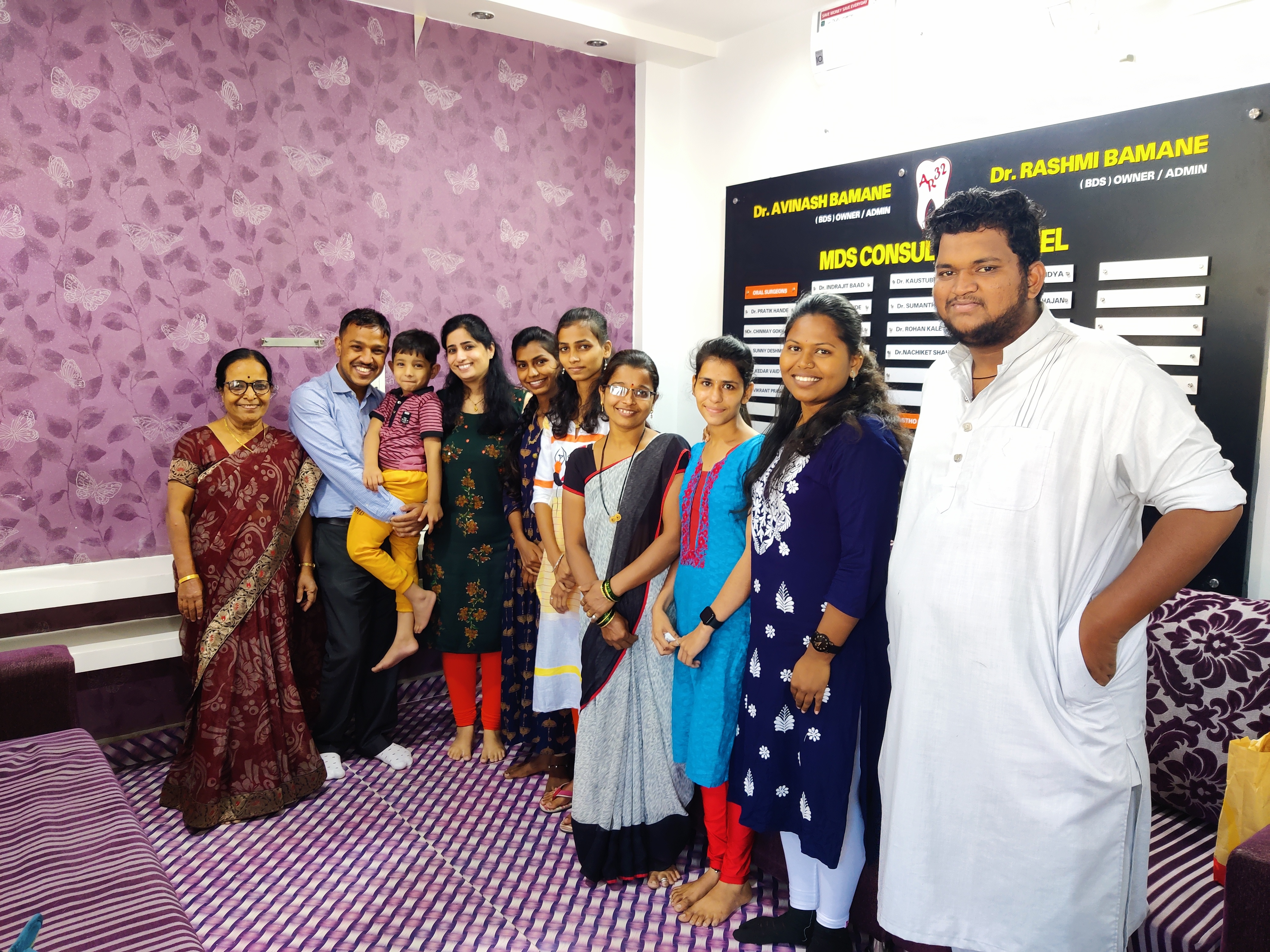
Our consulting roster currently holds 53 MDS specialists across 9 specialities. Dr Avinash sees you first, and then arranges the right specialist for your case rather than attempting all of it himself.
Every dentist has to learn, and learning means doing. We are not against that — it is how Dr Avinash learned, and how every specialist on our roster learned. The question is only where it should happen.
It should happen in a teaching hospital, with a supervisor standing at the chair and a department behind the decision. Not in a private clinic, on a paying patient, because the clinic needed to see a few more people that day.
We will not put our reputation, or your tooth, behind somebody who is still learning on it. That decision costs us capacity — an intern is an extra pair of hands, and we have chosen not to have them. It is one of the reasons the number at the top of this page is seven.
Why we stay small
We are asked this often, usually kindly: why not franchise, why not open across Pune, why not scale the way the chains have? We have done the arithmetic more than once, and the answer keeps coming back the same.
A chain has to be able to run without the people who built it. That is not a criticism — it is the definition. So a chain writes protocols that anybody can follow, buys what can be bought in bulk, and sets targets that can be measured from an office in another city. The things that survive that process are the things that can be repeated by anyone. Judgement is not one of them.
Our five clinics sit within about six kilometres of each other across Pune's eastern corridor for exactly one reason: Dr Avinash and Dr Rashmi can be at any of them the same morning, and the same specialists move between all five. Grow beyond that and we would be selling a name we could no longer personally answer for.
We would rather stay small and be able to say, of any treatment done under this name, that we know who did it and why.
So — what do you want?
There is no wrong answer here. There is only the answer that matches what you came for.
Let us be direct about it
Into the eighty minutes. Into the specialist we bring in instead of attempting it ourselves. Into the lab that designs your crown rather than merely producing it. Into the sterilisation cycle between you and the patient before you. Into equipment that tells us what is actually going on before we start.
And into the appointments we do not take — because the day is already full at seven, and squeezing in an eighth would come out of the seven who are already booked.
We are not the cheapest dentist in Kharadi, and we have never tried to be. We would rather explain a fee once than explain a failed treatment for years.
If you want the rest of the argument
Appointments are prepaid and booked through our own system, so the slot you book is genuinely held for you — all eighty minutes of it. If you are in pain right now, call instead. We are open until eleven at night, every day.