Wisdom Tooth Problems

Wisdom Tooth / Third Molar Surgery

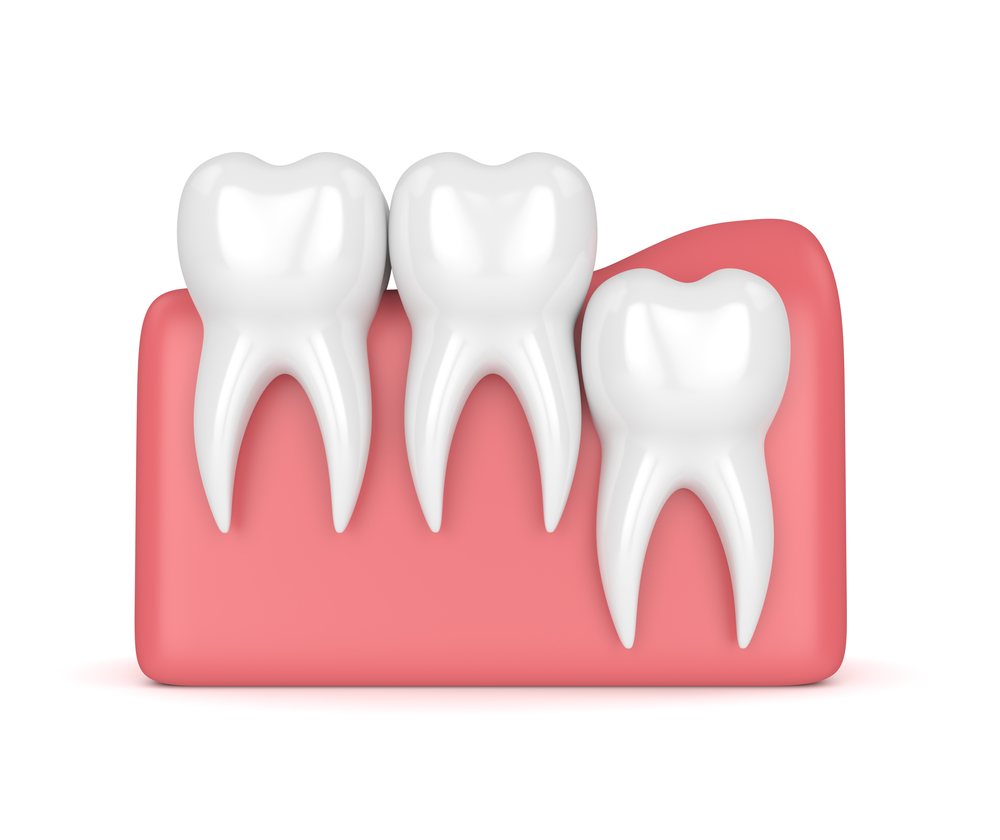
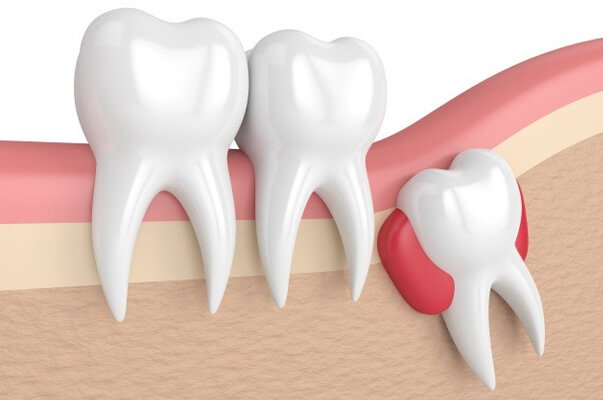
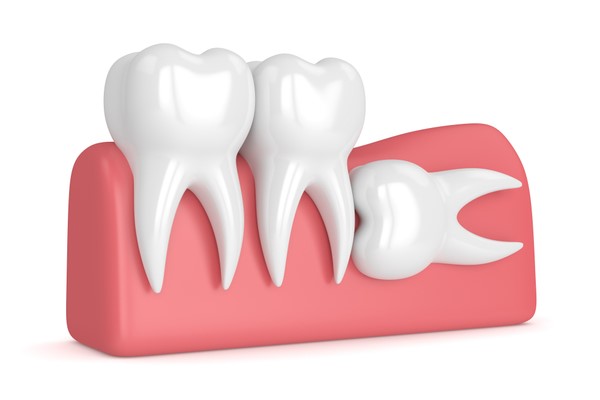
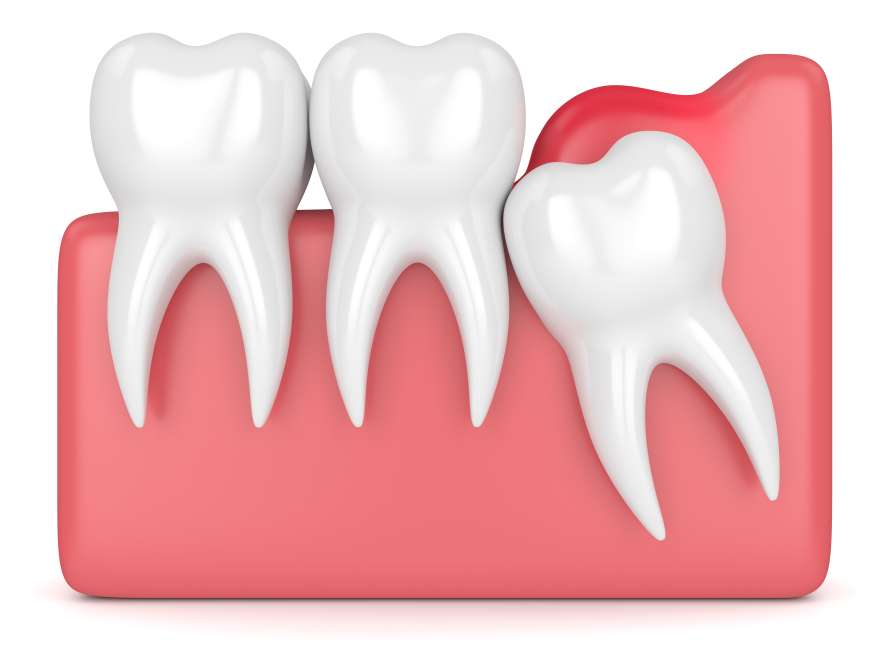
If a wisdom tooth has been broken or damaged by decay, your dentist will try to fix it. But when there's too much damage, or if the tooth is impacted (trapped beneath the gum or bone) and causing pain, the tooth must be extracted by an MDS Oral Surgeon.

Pre-Operative Instructions

  • Medical Clearance: Blood sugar, blood pressure & thyroid levels should be under control prior to surgery. (Consult physician)
  • Medication: Start taking prescribed medications 2 days prior to the date of surgery or as instructed.
  • Diet: Have a heavy breakfast or meal 1 hour prior to coming for surgery.
  • Habits: Avoid smoking, alcohol, or tobacco chewing 48 hours prior to and 72 hours post-surgery.
  • Accompaniment: Patient should be accompanied by a close friend or relative.
  • Cosmetics: Refrain from using makeup or cosmetics on the day of surgery to avoid contamination.

Post-Operative Do’s & Don’ts

  • Do not leave the clinic immediately. Relax for 10-15 mins before heading home.
  • Avoid eating until the anesthesia wears off completely to avoid biting your lips or tongue.
  • Do not touch the operated site with fingers or tongue.
  • Refrain from using a straw, smoking, mouth rinsing, or spitting for the next 24 hrs.
  • Do not eat hot/spicy/hard/fried/sticky food for 2-3 days. Switch to a soft, cold diet.
  • Some bruising, swelling, slight pain, and jaw stiffness are common. Take prescribed medicines.
  • Avoid physical exertion for 24 hours (No heavy lifting or gym).
  • Follow-up: Return to the clinic after 3 days, and again at 8 days for suture removal.

Educational Video Guide

The Surgical Process

Important Note: The experience of the extraction process is unique to each person depending on the stage of infection, medical conditions, and the position of the tooth (e.g., proximity to the Mandibular nerve). A delayed response in seeking treatment often leads to a more complex surgical outcome.

Appointment 1 (Day 1) - MDS Oral Surgeon Appointment

Step 1: Anaesthesia

Careful administration of Local Anaesthesia (L.A.). We wait for at least 5 to 10 mins to ensure complete numbness around the working tooth.

Step 2: Gums Preparation

We make sure there is enough working access and visibility of the entire crown of the wisdom tooth by gently reflecting the gum tissue.

Step 3: Bone Preparation

With the help of a surgical handpiece, we may shape the surrounding bone to allow the tooth to move freely and improve visibility.

Step 4: Using Elevators

Using specialized instruments, we carefully luxate (move) the tooth side to side to create a gap in the adjacent bone near the roots.

Step 5: Protecting the Nerve

For lower teeth, we ensure a minimally invasive procedure to prevent any damage to the Mandibular nerve, which could otherwise lead to temporary numbness.

Step 6: Tooth Removal

The crucial step where the tooth is safely pulled out of the socket. You will feel pressure, but it should not be painful.

Step 7: Debridement

We inspect and clean the socket, looking for any sharp bony spicules or remaining fragments of the tooth or bone.

Step 8: Suturing

If the wound is large, we place 2 to 3 sutures (stitches) to prevent food from getting locked in the socket and to facilitate faster healing.

Appointment 2 (Day 8) - Suture Removal

Step 9: Removal of Stitches

A quick 5-minute appointment to carefully remove the stitches and irrigate the socket to ensure the healing is progressing perfectly.

Frequently Asked Questions

How many Wisdom teeth are there? When do they erupt?

Wisdom teeth are the last molars on each side of the jaws (Total 4). They are also the last teeth to emerge, usually between age 18 to 30 years. Often there is not enough room left in the mouth to accommodate them, leading to impaction—where teeth are trapped beneath the gum tissue or bone. This causes swelling and tenderness.

What are the most common problems with wisdom teeth?

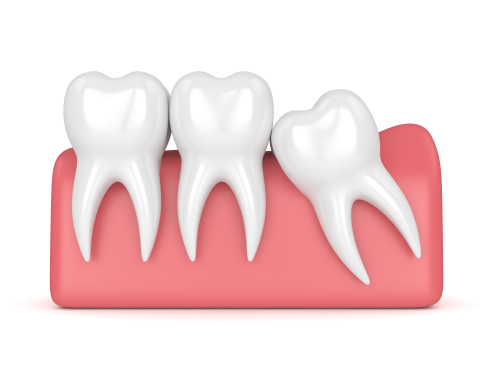
Wisdom teeth that only partially emerge or come in crooked can lead to painful crowding, severe decay in adjacent healthy teeth, and chronic gum disease.

Why is it advisable to get them evaluated by an MDS Oral Surgeon?

A tooth extraction can range from a routine procedure to a highly complex surgical event depending on root curvature and proximity to major facial nerves. An MDS Oral Surgeon is specifically trained to handle these surgical complexities safely and efficiently.
Cost of Wisdom Tooth Extraction

The cost varies based on the clinical difficulty of the impaction, tooth mobility, and proximity to the mandibular nerve.

Easy Cases (Fully Grown, Mobile, No Major Cavities)

Easy 1 - Wisdom tooth extraction

Easy 1

MDS Oral Surgeons Fees. Includes Sterilization + Disposable accessories.

Rs. 4000
Easy 2 - Wisdom tooth extraction

Easy 2

MDS Oral Surgeons Fees. Includes Sterilization + Disposable accessories.

Rs. 6000
Easy 3 - Wisdom tooth extraction

Easy 3

MDS Oral Surgeons Fees. Includes Sterilization + Disposable accessories.

Rs. 8000

Moderate Cases (Partially Grown, Firm, Nerve Proximity)

Moderate 1 - Wisdom tooth extraction

Moderate 1

MDS Oral Surgeons Fees. Includes Sterilization + Disposable accessories.

Rs. 10000
Moderate 2 - Wisdom tooth extraction

Moderate 2

MDS Oral Surgeons Fees. Includes Sterilization + Disposable accessories.

Rs. 12000
Moderate 3 - Wisdom tooth extraction

Moderate 3

MDS Oral Surgeons Fees. Includes Sterilization + Disposable accessories.

Rs. 14000

Difficult Cases (Submerged, Horizontally Impacted, Nerve Contact)

DIFFICULT 1 - Wisdom tooth extraction

Difficult 1

MDS Oral Surgeons Fees. Includes Sterilization + Disposable accessories.

Rs. 16000
Difficult 2 - Wisdom tooth extraction

Difficult 2

MDS Oral Surgeons Fees. Includes Sterilization + Disposable accessories.

Rs. 18000
DIFFICULT 3 - Wisdom tooth extraction

Difficult 3

MDS Oral Surgeons Fees. Includes Sterilization + Disposable accessories.

Rs. 20000