Gum Problems, Bleeding and Swelling

Gum Problems: Bleeding, Swelling & Sore Gums

When you think about dental health, the focus is likely on preventing cavities in your teeth. But it's equally important to pay attention to your gums. Gums play a major role not only in your dental health but in your overall well-being.

In many instances, swollen and bleeding gums are a sign of gum disease. However, there are a number of other things that could be causing your gum problems. Whatever the cause of sore, painful gums, there are steps you can take to minimize damage and discomfort.

Understanding Gum Disease (Periodontitis & Gingivitis)

  • Prevalence: More than three-quarters of adults over age 35 get some form of periodontal (gum) disease.
  • Gingivitis: Most people have this less severe form of gum disease. If you catch gingivitis early, it can often be completely reversed and healed with proper professional scaling and daily oral hygiene.
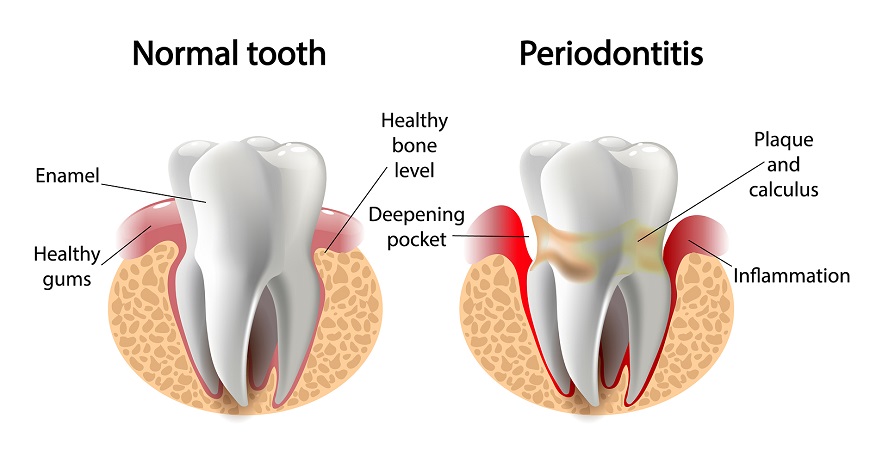
  • Periodontitis: Between 5% and 15% of people develop a much more serious type of gum disease known as periodontitis. This involves bone loss and requires advanced surgical intervention.
  • The Root Cause: When people don't practice proper dental hygiene, bacteria in the mouth forms a sticky biofilm called plaque on the teeth. These bacteria cause your gums to become inflamed, which results in red, swollen, or bleeding gums.
  • The Danger: For many people with early gingivitis, this inflammation is not painful, so they ignore it. But left untreated, gingivitis worsens into periodontitis and ultimately leads to severe infection and tooth loss.

Educational Video Guide

Frequently Asked Questions

Why do my gums bleed when I brush or floss?

Bleeding gums are most commonly caused by inadequate plaque removal. Plaque contains bacteria that attack the healthy tissue around the teeth, leading to inflammation (gingivitis). When inflamed gums are touched by a toothbrush or floss, they bleed easily.

Is it normal for gums to recede?

While a very slight amount of recession can occur with age, significant gum recession is a sign of advanced gum disease (periodontitis), brushing too aggressively, or grinding your teeth. Receding gums expose the sensitive roots of teeth and should be evaluated by a dentist immediately.

Can gum disease affect my overall health?

Yes. Numerous clinical studies have linked severe gum disease (periodontitis) to serious systemic health issues, including heart disease, stroke, uncontrolled diabetes, and respiratory infections, due to bacteria entering the bloodstream.

What is the treatment for swollen and bleeding gums?

The primary treatment is a professional dental cleaning known as Scaling and Root Planing (Deep Cleaning). This removes the hardened tartar (calculus) and plaque from above and below the gum line, allowing the gums to heal and reattach tightly to the teeth.

How can I prevent gum problems from returning?

Prevention requires strict daily oral hygiene: brushing twice a day with a soft-bristled brush, flossing daily to clean between teeth, using an antibacterial mouthwash if recommended, and committing to professional dental cleanings every 6 months.

Gum Problems, Bleeding in gums, Swelling in gums

| Published:

Abstract: When you think about dental health, the focus is likely to be on preventing cavities in your teeth. But it's important to pay attention to your gums, too. In many instances, swollen and bleeding gums are a sign of gum disease (Gingivitis and Periodontitis).

Gum Problems, Bleeding in gums, Swelling in gums Recommendation: More than three-quarters of American adults over age 35 get periodontal (gum) disease. When people don't practice proper dental hygiene, bacteria in the mouth forms plaque on the teeth. If you catch gingivitis early, it can be reversed and healed with proper oral hygiene. Bleeding Gums, Swelling in Gums (Grade: strong recommendation; high-quality evidence).