1. What is it ? :-
A root canal procedure performed and completed in a single dental visit.
It uses advanced technology and endodontic systems to achieve the same results as a multi-visit root canal.
2. Who is it for ? :-
Patients with an acute infection in the tooth's pulp.
It is not suitable for everyone; a dentist's assessment is crucial.
A dental X-ray is used to check for the presence or absence of pus around the tooth's root, a key indicator for suitability
3. The Procedure ? :-
Anesthesia: Local anesthesia is administered to numb the area, making the process painless.
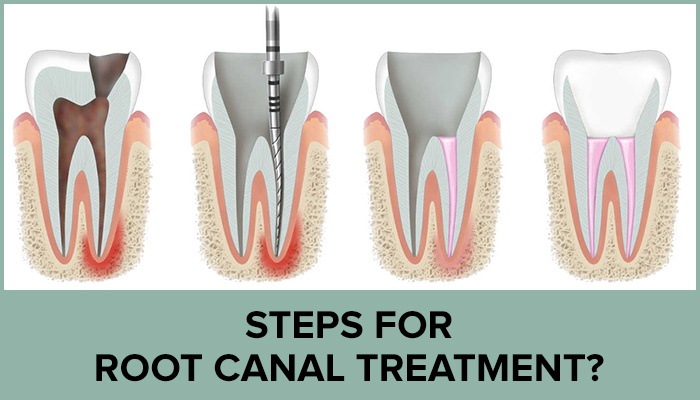
Access and Pulp Removal: The dentist creates an access cavity in the tooth to remove the infected pulp and nerves.
Cleaning and Shaping: The root canals are thoroughly cleaned, disinfected, and shaped using special instruments.
Filling and Sealing: The cleaned canals are filled and sealed with gutta-percha points or other biocompatible materials.
Restoration: A temporary or permanent filling is placed to seal the cavity, with a final restoration or crown often recommended after a short period.
4. Benefits ? :-
Time-Saving: Completes the treatment in a single visit, avoiding multiple appointments.
Reduced Anxiety: Offers a less traumatic and more comfortable experience for the patient.
Lower Risk: Minimizes the risk of reinfection and reduces the chance of flare-ups between appointments.
Cost-Effective: Less time and fewer visits can lead to lower treatment costs.
Convenient: An excellent option for patients who find it difficult to attend multiple appointments, such as the physically disabled or those requiring sedation.
5. Disadvantages and contraindications ? :-
Not all cases are suitable for a single-sitting RCT.
Severe infection: If the infection has spread extensively, involves swelling or pus discharge, or requires draining, multiple visits may be necessary to fully manage it.
Complex anatomy: Teeth with curved, narrow, or calcified root canals can be challenging to clean and seal completely in a single session. This is more common in molars.
Lengthy procedure: Patients with temporomandibular joint (TMJ) problems or difficulty keeping their mouth open for an extended period may find a single, longer appointment tiring.
Post-operative pain: Due to the intensity of completing the work in one visit, some patients may experience more discomfort or "flare-ups" afterward.
Expertise-dependent: The success of a single-sitting RCT relies heavily on the dentist's or endodontist's experience and skill.
6. Single vs. multiple sitting: Which is right for you ? :-
The decision to opt for a single or multiple-sitting root canal depends on your specific dental condition. An experienced dentist will evaluate factors including:
Severity of infection: Mild, uncomplicated cases are the best candidates for single-session treatment.
Root canal anatomy: Simple canal structures are ideal, whereas complex ones may require more time and attention over multiple visits.
Presence of a lesion or pus: If there is a large infection (lesion) or pus discharge, multiple visits are generally recommended.
Patient health and comfort: A patient's overall health, level of anxiety, and ability to sit for a longer period are also taken into account.