

MDS Oral Surgeon performing safe wisdom tooth extraction at Kharadi Branch

Department of Oral & Maxillofacial Surgery

Welcome to the master clinical directory of Oral & Maxillofacial Surgery at AR 32 Signature Smiles Executive Poly Dental Care Centre (Branch 3), strategically located in Kharadi, Pune. An Oral & Maxillofacial Surgeon is a highly trained MDS specialist who manages complex surgical extractions, bone pathology, facial trauma, and surgical implantology.

For busy corporate professionals across Eon IT Park, World Trade Center (WTC), Barclays, and WNS, a painful wisdom tooth eruption is a major productivity killer. Our consulting MDS Oral Surgeons provide completely safe, pain-free, and rapid surgical extractions using advanced 3D nerve mapping technology to ensure you are back to work immediately.

The Science of Surgical Extractions & Impactions

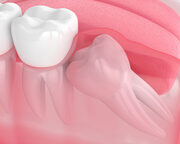
While general dentists pull fully erupted, visible teeth, an MDS Oral Surgeon specializes in Impacted Teeth. Due to human evolutionary changes, modern jawbones are often too small to accommodate the final set of molars (Wisdom Teeth or Third Molars). Consequently, these teeth become trapped (impacted) inside the dense jawbone or erupt horizontally, pushing against neighboring teeth.

Removing an impacted tooth is not a simple "pull." It is a delicate surgical procedure. The roots of lower wisdom teeth often wrap intimately around the Inferior Alveolar Nerve (which provides sensation to your lips and chin). Upper wisdom teeth often penetrate the sinus cavity. Our surgeons meticulously dissect the bone and divide the tooth into sections to ensure a safe removal without nerve trauma or sinus complications.

Scope of Specialized Oral Surgery

Our consulting postgraduate panel delivers a multi-tiered approach, ensuring surgical safety and precision for complex maxillofacial conditions.

1. Dentoalveolar Surgery

  • Impacted Wisdom Teeth: Painless, surgical extraction of partially or fully bone-impacted third molars using sectional cutting techniques to minimize bone trauma.
  • Complex Extractions: Safe removal of severely decayed, broken-down roots, or teeth that have ankylosed (fused) directly to the jawbone.

2. Pre-Prosthetic & Implant Surgery

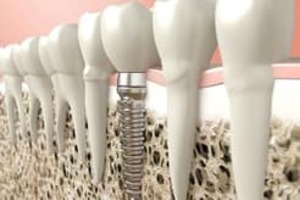
  • Direct Sinus Lifts: Safely elevating the sinus membrane and packing bone grafts to create enough height in the upper jaw for dental implants.
  • Alveoloplasty: Surgically smoothing and reshaping the jawbone ridges to ensure complete dentures fit tightly without causing painful friction spots.

3. Maxillofacial Pathology

  • Cyst & Tumor Enucleation: Surgical removal of destructive fluid-filled cysts or benign tumors growing inside the jawbone or soft tissues.
  • Tissue Biopsies: Safe extraction of suspicious oral mucosal lesions for histopathological lab testing to rule out pre-cancerous cells.

4. Trauma & TMJ Disorders

  • Facial Trauma Management: Stabilizing and fixing fractured jaws or teeth resulting from accidents or sports injuries.
  • TMJ Therapy: Advanced diagnostic mapping and therapeutic joint interventions for severe locking, clicking, or pain in the Temporomandibular Joint.

Advanced Surgical Technology (2025–2026 Standards)

At our Kharadi HQ, we eliminate surgical guesswork. Advanced imaging and cutting technologies ensure predictable, nerve-safe surgeries.

CBCT 3D Scanning

Nerve Proximity Mapping: Standard 2D X-Rays cannot show depth. Our 3D CBCT scans allow the surgeon to perfectly visualize exactly how close the tooth root is to the main facial nerve or the sinus floor, preventing surgical accidents and permanent numbness.

Piezosurgery Technology

Atraumatic Bone Cutting: Instead of traditional rotary drills, our surgeons utilize ultrasonic Piezosurgery devices. These machines cut dense bone with absolute precision but automatically stop if they touch soft tissue, completely protecting major blood vessels and nerves.

Advanced Anesthesia

Profound Nerve Blocks: Surgeons use highly targeted regional nerve blocks (like the Gow-Gates technique) combined with computerized, slow-drip delivery systems to ensure the jaw is deeply numb, keeping your blood pressure stable and anxiety low.

Clinical Success Ratios: Why Choose a Specialist?

Do not risk a complex extraction with a general dentist. MDS Oral Surgeons dramatically reduce the risk of fractured roots left in the bone, sinus perforations, and postoperative dry sockets.

Treatment Category Success/Safety Rate (MDS Surgeon) Key Clinical Research Findings
Impacted Wisdom Tooth Removal 99.2% (Without Nerve Injury) Pre-surgical CBCT analysis combined with sectional tooth removal techniques by an MDS specialist lowers the risk of Inferior Alveolar Nerve paresthesia (lip numbness) to nearly zero.
Maxillary Sinus Lifts 96% Integration Success Utilizing Piezosurgery for lateral window sinus elevations significantly prevents the accidental tearing of the delicate Schneiderian membrane, ensuring bone grafts succeed.
Post-Op "Dry Socket" Prevention < 2% Occurrence Specialist wound closure using PRF (Platelet-Rich Fibrin) plugs and tension-free suturing dramatically protects the healing blood clot, preventing the painful condition known as alveolar osteitis (Dry Socket).

Meet Our Clinical Care Directors

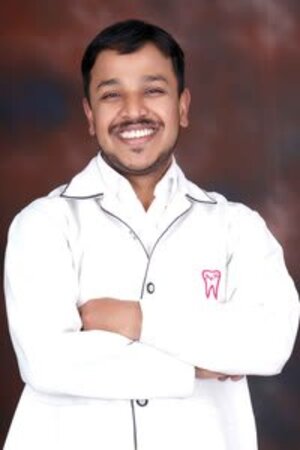
Dr. Avinash Bamane - Clinical Director

Dr. Avinash Bamane & Dr. Rashmi Bamane

Clinical Directors & Surgical Coordinators


At AR 32 Signature Smiles, patient safety during complex surgeries is paramount. Dr. Avinash and Dr. Rashmi Bamane personally oversee the pre-operative diagnostics for every patient requiring an extraction. They utilize high-resolution digital X-rays to assess the difficulty of the impaction.

If a tooth's roots are dangerously close to the sinus or the main facial nerve, they immediately coordinate your care with our visiting panel of elite MDS Oral & Maxillofacial Surgeons. This means you do not have to run around the city looking for a hospital—you receive expert, hospital-grade surgical care right here in the sterile, comfortable environment of our Kharadi HQ.

Surgical Extraction Post-Op Roadmap

Healing from an impacted wisdom tooth surgery requires strict adherence to this timeline to protect the blood clot.

Hours 1–24: The Clot Phase

Bite Firmly: Keep steady pressure on the gauze pad for exactly 45 minutes to stop bleeding and form the critical blood clot.

No Suction: Absolutely do not spit forcefully, rinse your mouth, or use a drinking straw. The suction will pull the clot out of the bone, exposing raw nerves (Dry Socket).

Ice Application: Place an ice pack on the outside of the cheek (20 mins on, 20 mins off) to heavily mitigate swelling.

Days 2–7: Tissue Healing

Warm Salt Water: Starting 24 hours after surgery, begin gently rinsing with warm salt water 3 times a day to keep the surgical site sterile.

Soft Diet: Maintain a strict soft diet (yogurt, mashed potatoes, soups). Avoid spicy foods, rice, or seeds that could lodge into the surgical socket.

Weeks 2+: Suture Removal

Stitch Removal: If non-dissolvable sutures were used, return to the clinic on Day 7 to have them painlessly snipped and removed.

Bone Fill: While the gum tissue heals over the hole in about 2-3 weeks, the bone underneath will take up to 6 months to completely calcify and fill the empty socket.

⚠️ When to Contact the Clinic Urgently

Please call our Kharadi HQ immediately at +91 84849 90678 if you experience: Uncontrollable, heavy bleeding that does not stop with gauze pressure; severe throbbing pain that shoots to the ear and is not relieved by painkillers (possible Dry Socket); sudden high fever; or swelling that worsens significantly after the third day.

Transparent Surgical Packages

Completely pre-fixed, transparent value packages with zero hidden fees for our Kharadi corporate community.

Surgical Tooth Extraction

Simple & Complex Extractions

Safe, atraumatic removal of grossly decayed or mobile teeth, including local anesthesia and sterile disposable setup.

Rs. 2,000+
Surgical Wisdom Tooth Removal

Impacted Wisdom Tooth Surgery

MDS Oral Surgeon fee for the surgical sectioning and removal of a bone-impacted third molar. (Pricing varies by depth of impaction).

Rs. 6,500+
Bone Grafting & Implants

Surgical Bone Grafting

Specialist placement of synthetic bone particles (osteoconductive matrix) and collagen membranes to restore lost jawbone volume.

Rs. 12,000+

Clinical Guide: Understanding Maxillofacial Surgery

Why do wisdom teeth always need to be removed?

Not all wisdom teeth need to be removed. If they emerge completely straight and you can keep them clean, they can stay. However, most modern human jaws are too small. This causes the wisdom tooth to erupt sideways, pushing into the adjacent molar, destroying its root, or creating a deep gum pocket (pericoronitis) that constantly traps food and becomes infected. In these cases, surgical removal prevents the loss of the healthy teeth next to it.

Will I feel pain during a surgical extraction?

No. You will feel pressure, but absolutely no sharp pain. MDS Oral Surgeons are masters of regional anesthesia. They use advanced nerve blocks to completely numb the entire quadrant of your jaw. If you are highly anxious, conscious sedation or pre-operative anti-anxiety medications can be arranged.

What is a "Dry Socket" and how do I prevent it?

A dry socket (Alveolar Osteitis) happens when the protective blood clot that forms in the hole after an extraction is accidentally dislodged before the gums have healed. This exposes the raw bone and nerves to air and food, causing severe, throbbing pain. To prevent it: do NOT spit forcefully, do NOT use a drinking straw, and strictly DO NOT smoke for at least 72 hours after surgery.

Surgical Management of Impacted Third Molars and Prevention of Inferior Alveolar Nerve Injury

| Published:

Abstract: A clinical overview establishing the necessity of 3D Cone Beam Computed Tomography (CBCT) in preoperative assessment for complex mandibular third molar impactions. Utilization of sectional tooth elevation by MDS Oral & Maxillofacial Surgeons significantly reduces the incidence of iatrogenic trauma to the inferior alveolar nerve and adjacent second molars, ensuring predictable postoperative healing and mitigating the risk of alveolar osteitis.

Oral and Maxillofacial Surgery