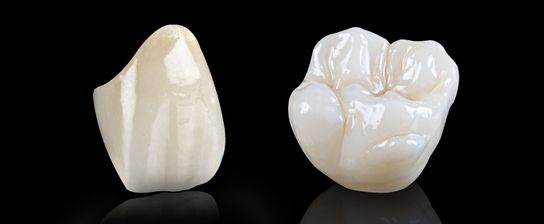
Microscopic Root Canal Treatment at Kharadi Branch

Department of Endodontics & Root Canal Therapy

Welcome to the master clinical directory of Endodontology at AR 32 Signature Smiles Executive Poly Dental Care Centre (Branch 3), situated in the prime corporate zone of Kharadi, Pune. Endodontics is the specialized branch of dentistry concerning the biology, pathology, and regeneration of the human dental pulp and periradicular tissues.

Whether you work at Eon IT Park, World Trade Center (WTC), Barclays, or WNS, our consulting MDS Endodontists provide quick, predictable, single-visit treatments for acute tooth pain utilizing advanced technology-driven disinfection protocols.

The Deep Dental Care: What is Inside a Tooth?

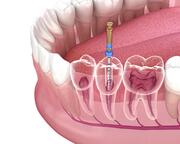
To understand how a root canal specialist saves your smile from chronic abscesses or trauma, patients must first see inside a tooth. When deep dental decay or a structural crack cuts through the hard outer enamel and mineralized dentin layers, bacteria flood the deep, soft center chamber of the tooth.

This soft inner core holds all the sensitive nerves, vital blood vessels, and connective tissues. An endodontist specializes in cleaning these microscopic deep spaces, stopping pain early, and sealing the root structure from reinfection.

Scope of Specialized Endodontic Services

Our consulting postgraduate panel delivers an exhaustive, four-tier model of advanced orthograde and surgical therapies.

1. Diagnostic & Pain Management

  • Differential Diagnosis: Identifying the precise neurological source of complex orofacial pain, which often mimics chronic sinus infections, severe headaches, or complex TMJ disorders.
  • Vital Pulp Therapy: Specialized interventions to preserve the living nerve structure in deep cavities (including pulp capping and pulpotomies) rather than removing it entirely.

2. Orthograde (Non-Surgical) Therapy

  • Primary Root Canal Treatment (RCT): Complete eradication of infected pulp tissues, meticulous 3D instrumentation, three-dimensional cleaning, and hermetic sealing of the root canal system.
  • Non-Surgical Retreatment: Disassembling old crowns, dental posts, or legacy fillings to safely correct failing, old root canals that have become re-infected.

3. Surgical Endodontics

  • Apicoectomy (Root-End Resection): Microsurgical removal of the root tip and infected periapical bone cyst when conventional non-surgical root canal treatment fails to completely clear the infection.
  • Root Amputation & Hemisection: Precision removal of a single injured or fractured root while successfully saving the remaining healthy roots to support a functional crown.

4. Regenerative Endodontics

  • Pulp Revitalization / Revascularization: Biologically engineering a fresh blood supply inside an immature permanent tooth (typically in children) to allow the thin root walls to continue growing and strengthening over time.

Advanced Technology & Armamentarium (2025–2026 Standards)

Modern endodontics has shifted from old manual filing to precise technology-driven disinfection. Our Kharadi HQ is fitted with international infrastructure.

Imaging & Navigation

3D CBCT Scanning: Cone Beam Computed Tomography slices the tooth digitally to reveal micro-fractures, extra canal anatomy, and deep bone infections invisible on regular 2D X-rays.

Dynamic Navigation: Real-time robotic-assisted computer guidance directs the handpiece to the exact location of calcified or blocked nerves, preserving maximum healthy tooth structure.

AI Diagnostics: Advanced artificial intelligence algorithms analyze digital radiographs to catch early apical lesions with higher accuracy than the human eye.

Microsurgical Equipment

Dental Operating Microscope (DOM): The gold standard of care. Provides up to 25x magnification and high-intensity LED illumination to see deep inside the internal structural anatomy of root channels.

Ultrasonic Instrumentation: Vibrating piezo tips gently clear away calcifications and old filling materials without drilling away precious healthy root structure.

Bioactive Materials

Bioceramic Sealers: A revolutionary filling material that chemically bonds to the dentin walls and releases calcium ions to stimulate osteogenesis and rapid bone healing.

MTA (Mineral Trioxide Aggregate): Biocompatible material used to safely repair internal perforations (accidental holes) and tightly seal root ends during micro-surgery.

Clinical Success Ratios: Specialist vs. General Practice

Data shows a massive difference in long-term outcomes when choosing an endodontist for complex cases. While general practices see more missed canals or root fractures, our specialized approach secures better results.

Treatment Category Success Rate (MDS Endodontist) Key Research Findings (JOE / IEJ Journals)
Primary Root Canal (RCT) 98.1% Specialist-treated teeth have significantly higher survival rates due to operating microscopes locating hidden canals (MB2 canals) often missed in standard general practice (which averages 89.7%).
Regenerative Therapy 90% – 93% Recent clinical meta-analyses confirm that regenerative pulp procedures in children successfully thickens root walls and restores internal tissue sensation.
Implant vs. Natural RCT Equal Survival Peer-reviewed research proves a well-treated natural tooth lasts as long as a dental implant, but preserves a natural biting sensation and better long-term gum line health.

< 3%

Less than 3% of all general dentists hold postgraduate MDS specialization degrees in endodontics.

25+ / Week

Our specialists execute over 25 complex root canals per week, compared to just 2 or 3 in standard general practices.

3 Extra Years

MDS specialists undergo 3 additional years of intense, full-time university clinical training focusing entirely on the inside of the tooth.

Comprehensive Specialty Treatments Provided

Apicoectomy (Root-End Resection)

When a traditional root treatment cannot clear an deep bone infection near the apex, our specialists perform precise micro-surgery. They gently open the gum tissue near the root tip, remove the infected tip, clean the surrounding bone area, and place a tiny biocompatible filling to seal the bottom of the root permanently.

Internal Bleaching for Discolored Teeth

A non-vital or injured tooth often turns dark grey, brown, or black from the inside out. Standard external cosmetic whitening gels cannot fix this. Our specialists place a safe, medical whitening agent directly inside the empty pulp chamber, brightening the tooth structure from within to blend naturally with your smile.

Traumatic Dental Injuries

If an accident or sports injury cracks a tooth or knocks it completely out of its socket, immediate specialist care prevents tooth loss. We utilize flexible splints to anchor loose teeth back to the jawbone and apply specialized materials inside the root to stop the body from absorbing or rejecting its own natural tooth structure.

Fixing Cracked or Fractured Teeth

Structural cracks can travel invisibly down the root channels, causing mysterious pain when chewing. Using high-magnification operating microscopes and specialized transillumination dyes, our endodontists track these hidden fractures and bind the internal pieces together to stop the crack from splitting the tooth apart.

Meet Our Consulting Specialist

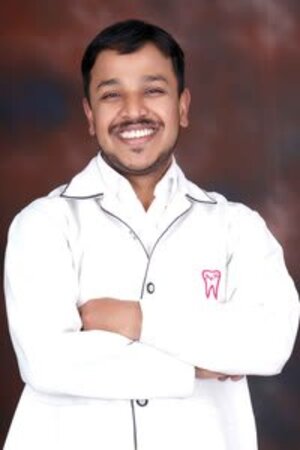
Dr. Avinash Bamane - Endodontist Panel Lead

Dr. Avinash Bamane, BDS

Board-Certified Clinical Director & Endodontic Lead


Dr. Avinash Bamane is dedicated exclusively to saving your natural teeth and relieving severe, complex dental pain. After completing a traditional four-year dental degree from Mahatma Gandhi Vidya Mandir's Dental College, Nashik (2008), Dr. Bamane spent nearly two decades mastering the deepest complexities of root canal systems, dental micro-surgery, and advanced anesthesia block techniques.

By utilizing high-power surgical microscopes, digital RVG radiography, and 3D imaging right at our Kharadi HQ next to the World Trade Center, he ensures corporate professionals from nearby Barclays and WNS experience a comfortable, stress-free, and pain-free visit.

Education & Affiliations:
• BDS Graduate: Mahatma Gandhi Vidya Mandir's Dental College, Nashik (2008)
• Registered: Dental Council of India (DCI)
• Active Member: Indian Dental Association (IDA) & Professional Dentist Community (PDC)

Patient Recovery & Post-Op Roadmap

Healing from an advanced specialist procedure is quick when patients follow a structured chronological timeline.

Day of Treatment (Hours 1–24)

Numbing Awareness: The mouth stays numb for 2 to 4 hours. Do not chew food or drink hot liquids during this time to avoid biting your tongue or burning your gums.

Pain Management: Take your prescribed anti-inflammatory medicine before the local anesthesia completely wears off to stop post-op pain early.

Ice Application: For micro-surgery, place an ice pack on the cheek for 20 minutes on, then 20 minutes off, to mitigate swelling or bruising.

First Week (Days 2–7)

Soft Diet: Stick to easy-to-chew foods like eggs, yogurt, smoothies, and warm soups. Chew entirely on the opposite side of your mouth.

Gentle Cleaning: Brush and floss all teeth normally, but be very gentle around the treated tooth. Do not use heavy force near the healing gum line.

Avoid Pressure: Never bite down on hard, crunchy, or sticky foods until your general dentist places a final protective cap or crown.

Long-Term (Weeks 2+)

The Permanent Fix: Schedule an appointment with your general dentist within 2 to 4 weeks for permanent crown placement. A root-treated tooth without a final crown is weak and can crack under biting forces.

Deep Tissue Repair: The bone around the tip of the root takes 3 to 12 months to completely regrow. Your specialist tracks this invisible healing using follow-up 3D scans.

⚠️ When to Contact the Specialist Urgently

While mild tenderness is normal for a few days, corporate professionals or residents should call our Kharadi HQ emergency line immediately at +91 84849 90678 if they experience: visible swelling inside the mouth or outside the face, severe pain uncontrolled by medication, a temporary filling that has completely fallen out, or an allergic reaction (rash/itching) to prescribed medicine.

Transparent Specialty Treatment Costs

AR 32 delivers value-driven dental care with completely transparent, pre-fixed clinical packages across Pune.

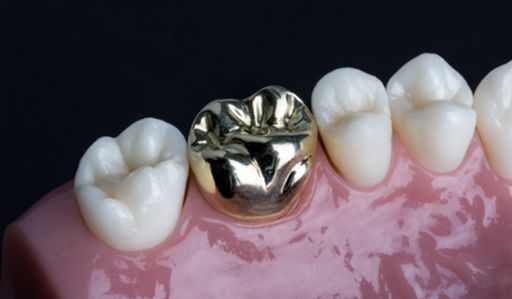
RCT + Post + Metal Crown Package

Specialist RCT + Metal Crown

Includes consulting postgraduate MDS Endodontist fees, full procedural sterilization, and single-use disposable accessories.

Rs. 15,000
RCT + Post + PFM Crown Package

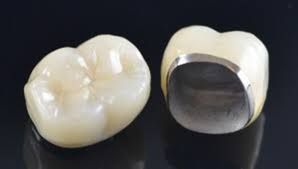
Specialist RCT + PFM Crown

Includes consulting postgraduate MDS Endodontist fees, high-strength porcelain-fused-to-metal crown, and micro-endodontic tracking.

Rs. 21,000
RCT + Post + Premium Ceramic Crown Package

Specialist RCT + Zirconia Crown

Includes advanced chemical disinfection, high-magnification canal mapping, and a premium metal-free custom Zirconia ceramic crown.

Rs. 24,000

Frequently Asked Questions

Can any general dentist perform an apicoectomy?

While legally within the scope of general dentistry, most general practitioners do not perform apicoectomies. This precise root-end resection is a microsurgical procedure that requires advanced training, micro-surgical instrumentation, retrograde filling materials, and high-power dental operating microscopes which are standard inside our specialized departments.

Will an internally bleached tooth look completely natural?

Yes. Our consulting endodontists closely monitor the shade modification inside the empty pulp chamber over a period of 2 to 3 days. The safe, medical-grade whitening agent modifies the tooth shade from within, ensuring it matches the color, transparency, and hue of your surrounding natural teeth perfectly.

Why does a root canal save money if a specialist costs more upfront?

A successful, microscope-guided specialist treatment eliminates the risk of early root canal failures. If a root canal is performed poorly, it leads to extraction later. Replacing a missing tooth with a surgical dental implant or an artificial multi-unit bridge is far more expensive than preserving your original natural tooth root with an expert procedure the first time.