

Tooth Restoration, Cavity Filling in tooth

Tooth Restoration & Cavity Filling

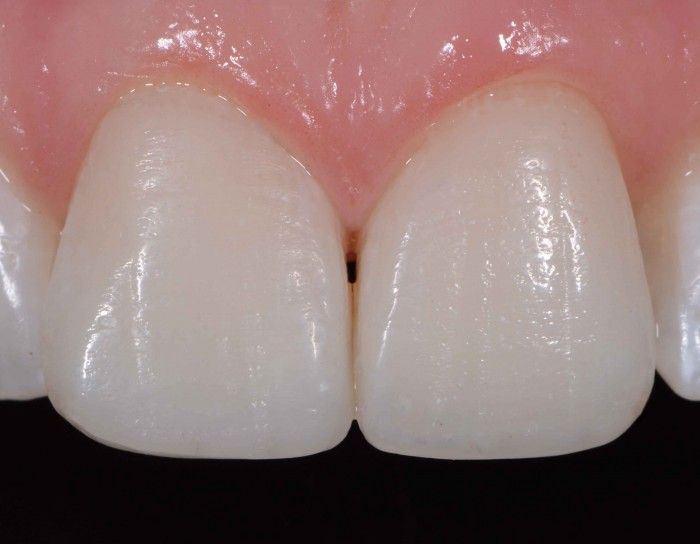
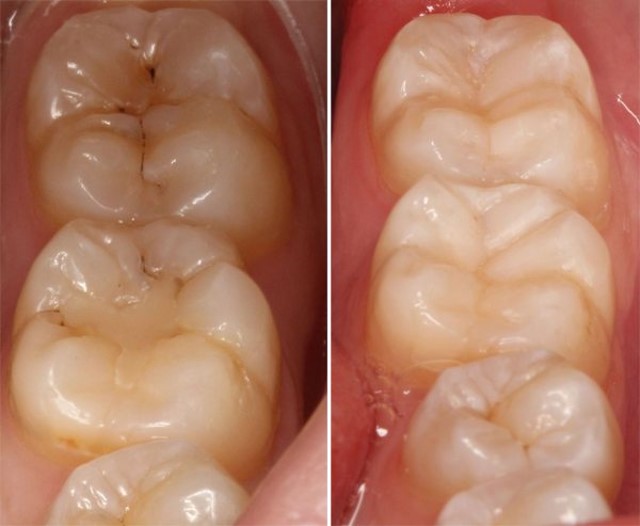
A dental restoration is also called a filling. It is the repair of a damaged or decayed tooth, restoring it back to its normal shape, appearance, and function.

Appointment Info: Total working time is 30 mins to 1 hour, requiring only 1 total appointment.

Pre-Operative Instructions

  • Patients should have heavy breakfast or meal 1 hr prior to coming for treatment.
  • Kindly refrain from using any kind of makeup or cosmetics on the day of the procedure to avoid contamination.
  • If you have any symptoms of Covid-19 (Cough, Fever, Body ache, Difficulty in breathing, Diarrhea, Vomiting, Rash) please cancel the appointment.
  • Call the clinic before leaving home for final confirmation of the appointment.
  • Patients should be present in the clinic premises 15-20 mins before the procedure timing to avoid anxiety.

Post-Operative Do’s & Don’ts

  • Avoid eating till the effect of anesthesia goes off completely (if given) as you may end up biting lips, tongue, or cheeks accidentally.
  • Do not touch the operated site with fingers, tongue, or by any other means.
  • Patient should avoid all types of health hazardous habits like tobacco chewing/smoking, as it may leave stains on teeth and fillings.
  • Do not eat too hot/too cold/too sweet/too hard/too sticky food from the operated side of the mouth.
  • Slight pain & discomfort to jaw & joint areas is common.
  • In case of deep cavities, mild to moderate sensitivity to heat and cold is expected.
  • In case of failure (fracture, dislodgement), visit your Dentist ASAP to refill or see other options.

Educational Video Guide

The Treatment Process

Kindly Note: The description here is for a single tooth filling. Charges for multiple fillings will be multiples of the number of teeth considered as carious. Dental filling requires patience to maintain natural contours. Expect to keep your mouth open for 10-15 minutes.

Phase 1 - Cavity Removal

Step 1: Inspection

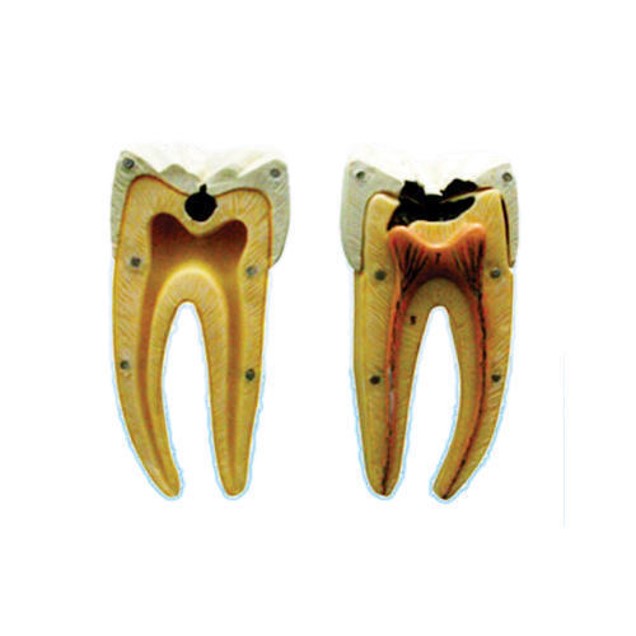
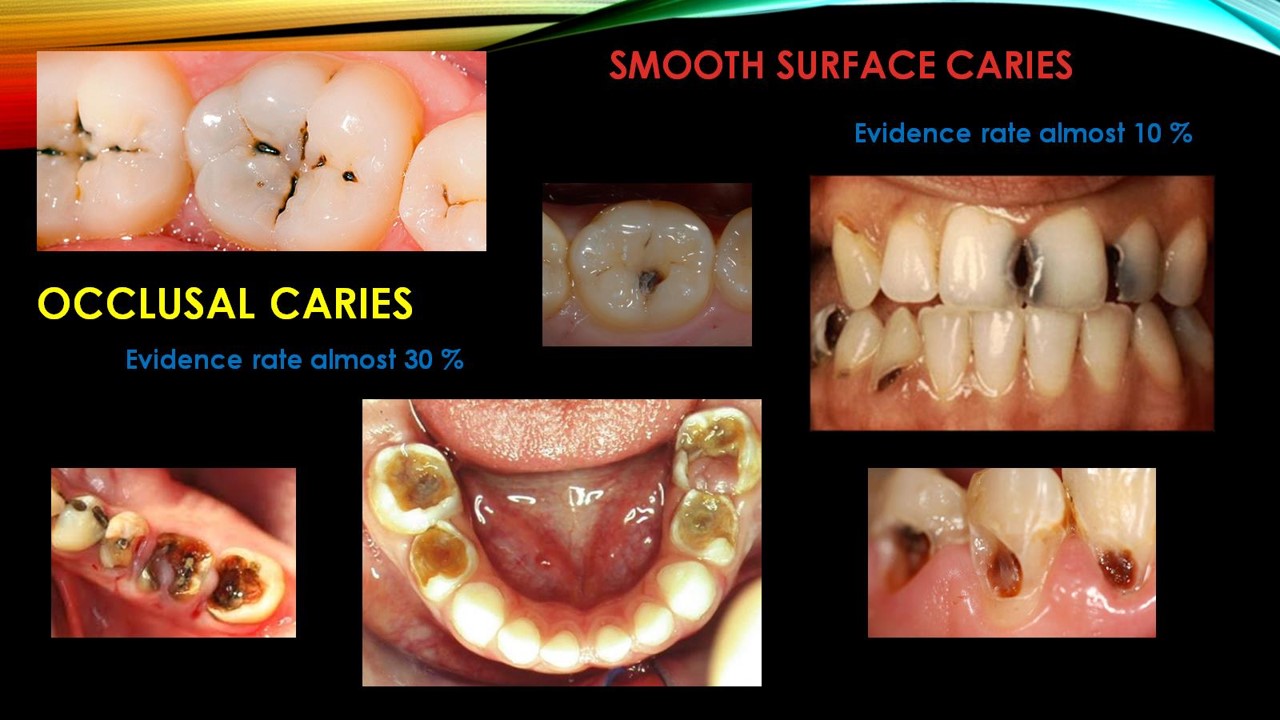
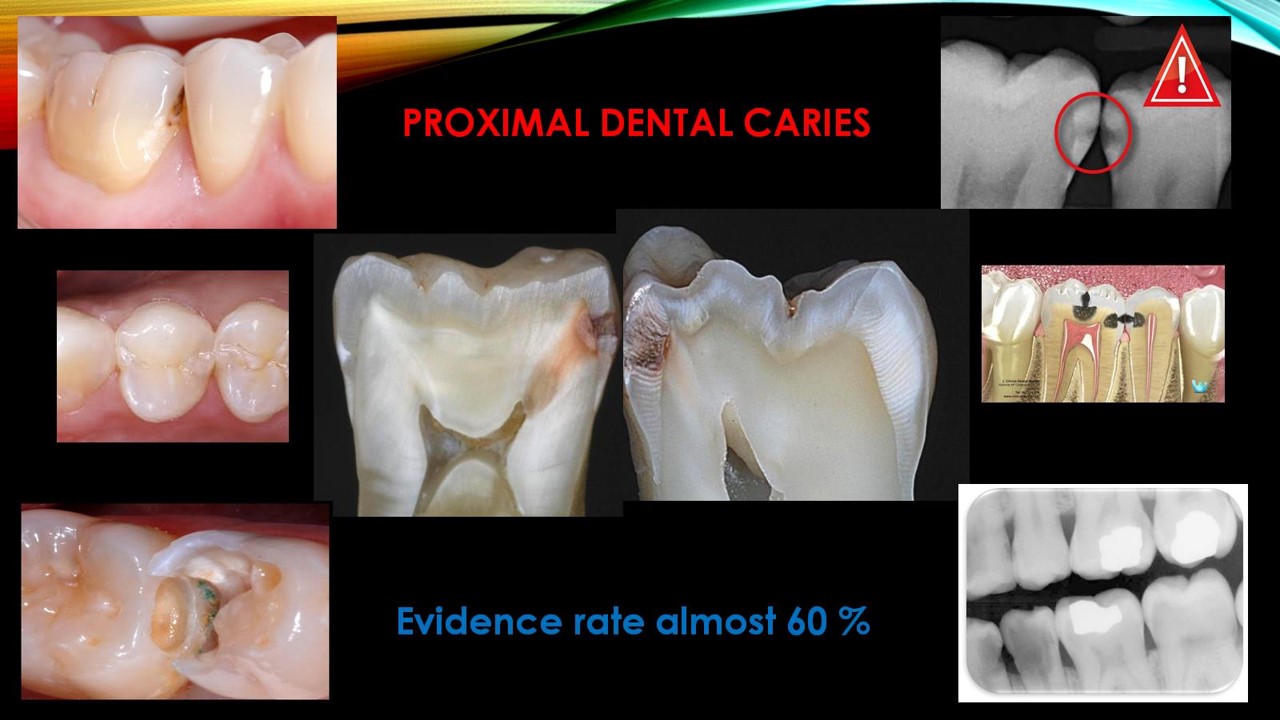
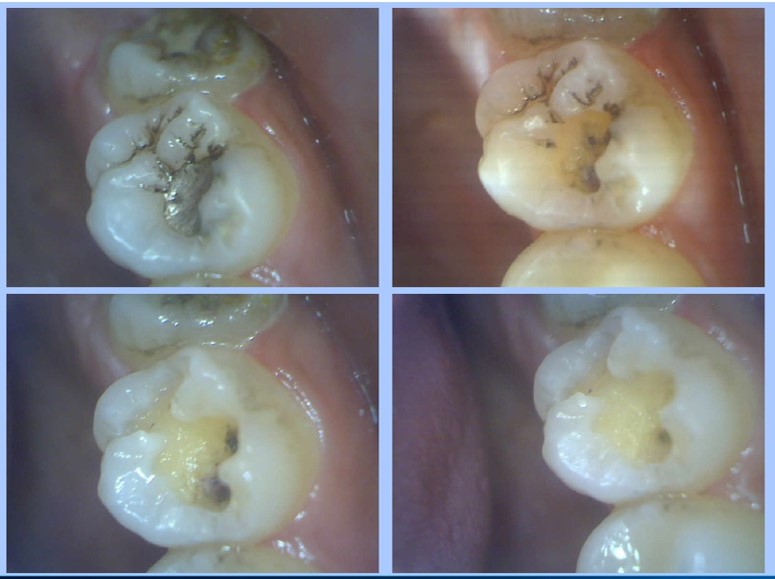
Inspection of caries spread on tooth surfaces. Carefully see the extent and depth of the cavity. If required, take an RVG X-ray if you feel the cavity is deep inside and close to the pulp of the tooth (to avoid Root Canal Therapy).

Caries Extent
Caries Extent 1
Caries Extent 2
Step 2: Removal

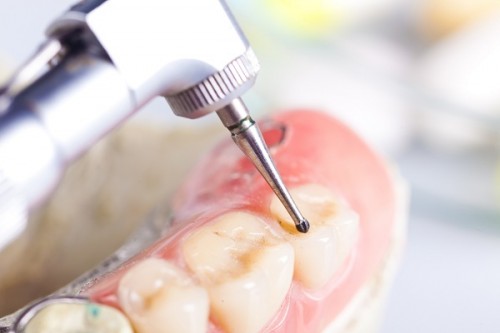
Removal of the carious part of the tooth. With the help of a high-speed air rotor, make a small hole on the tooth surface to remove the decayed part of the tooth.

Case study
Step 3 & 4: Sensitivity Check

Check for sensitivity. If caries are shallow, it is fine. If it is deep, you may feel sensitivity while working with high-speed air-rotors (up to 1 lakh RPM) as it causes tremendous friction. If more sensitivity is there, just stop and cross-check depth with an X-ray.

Air rotor
Sensitivity
Step 5: Final Inspection

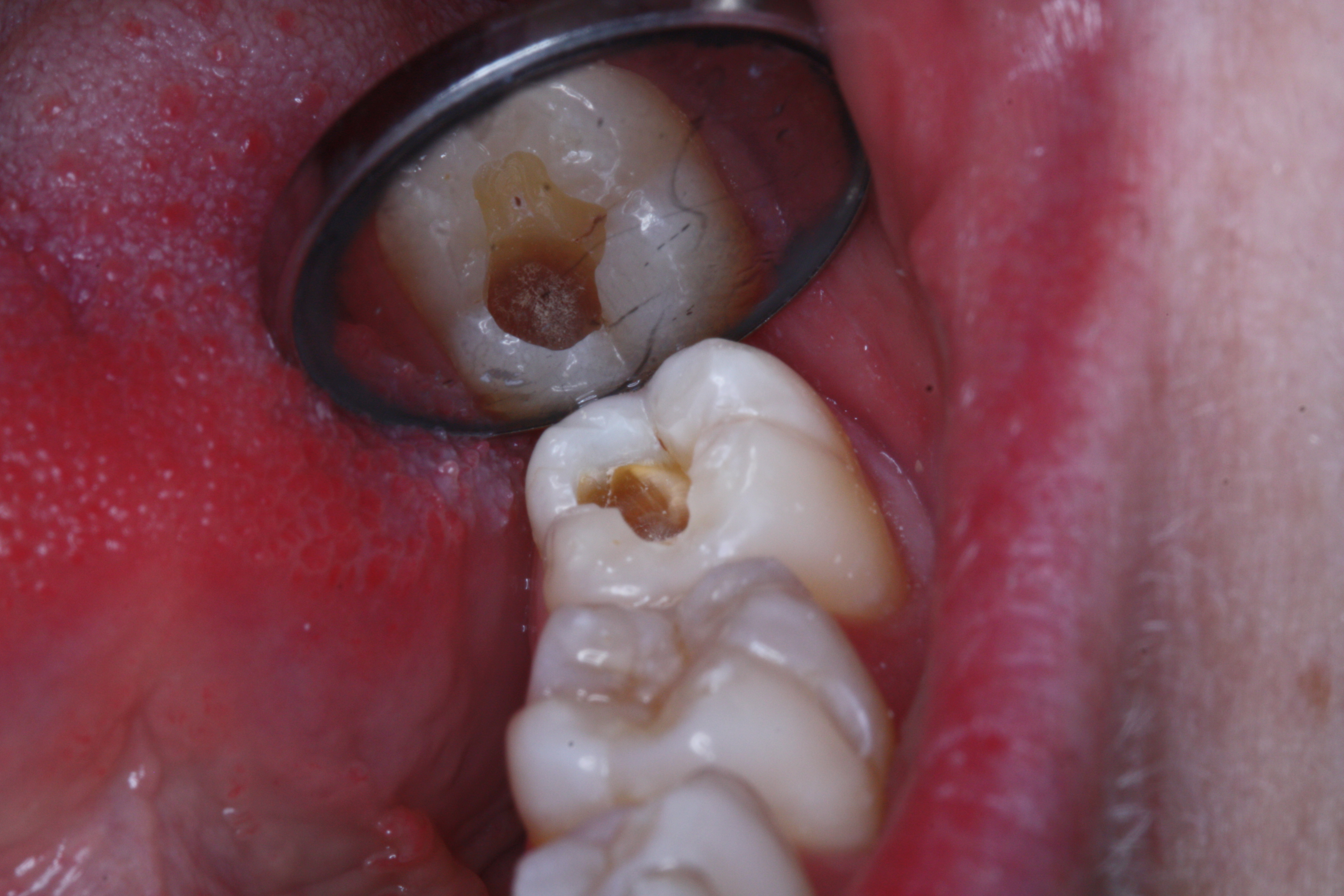
Final inspection of the prepared cavity. Try to remove all caries.
Score 5 (Black): Most active disease area.
Score 4 (Dark Brown): Remove to avoid post-op sensitivity.
Score 3 (Light Brown): Freshly spread caries, try to remove.
Score 2 & 1 (Yellow): Healthy dentin. Time for filling.

Final Inspection

Phase 2 - Tooth Filling

Step 6: Bonding & Curing

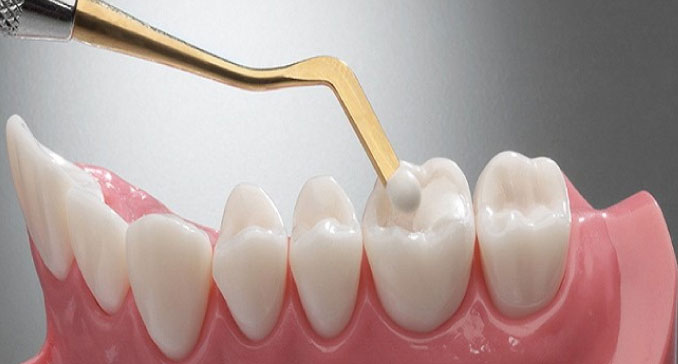
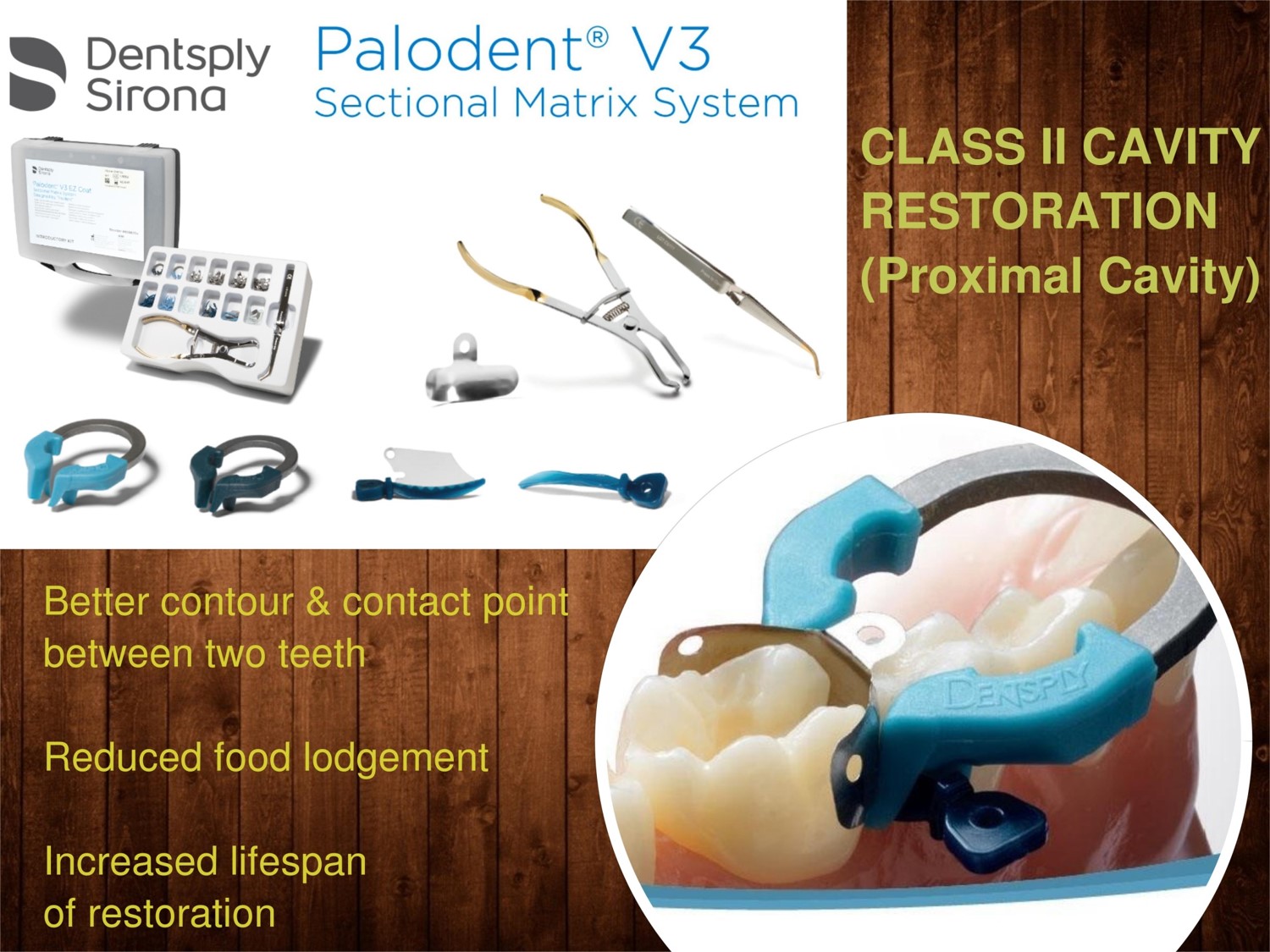
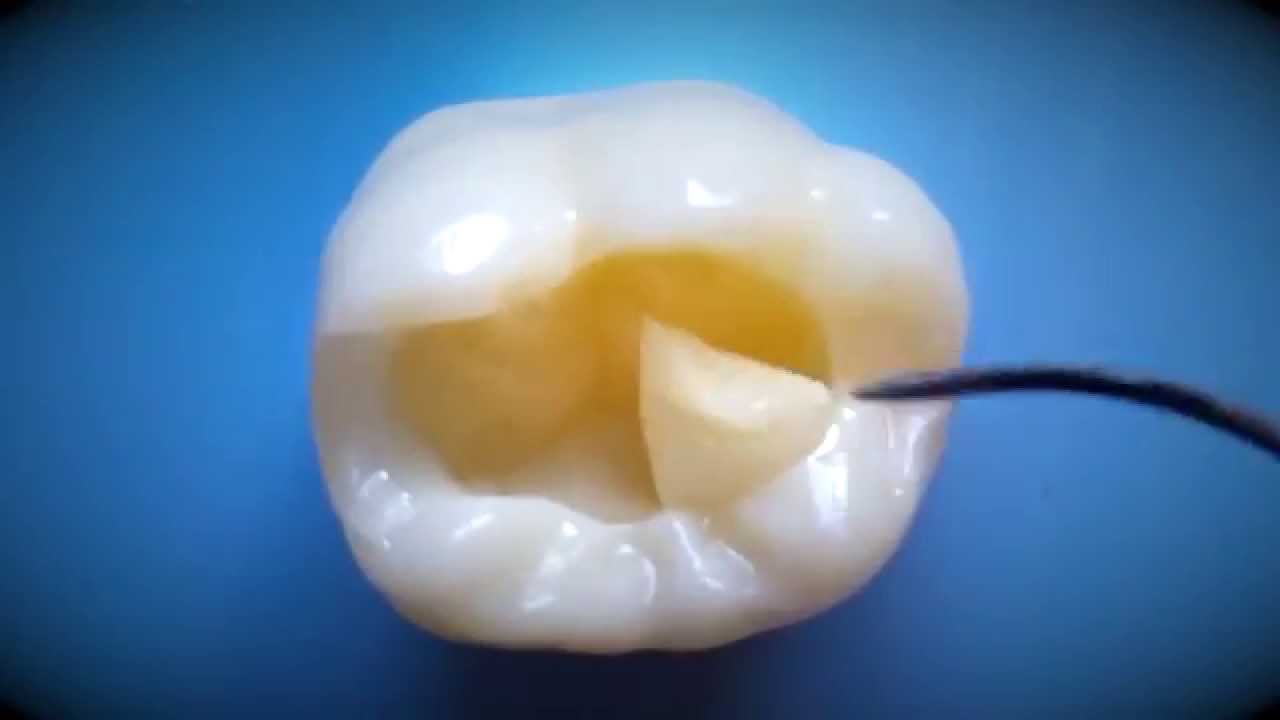
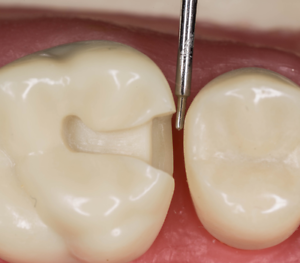
Involves etching of prepared surfaces, application of bond with a brush, curing the bond, and filling the tooth in small increments. Cure to regain its contours, form, and functions.

Curing
Filling
Matrices

Phase 3 - Finishing & Polishing

Step 7: Polishing

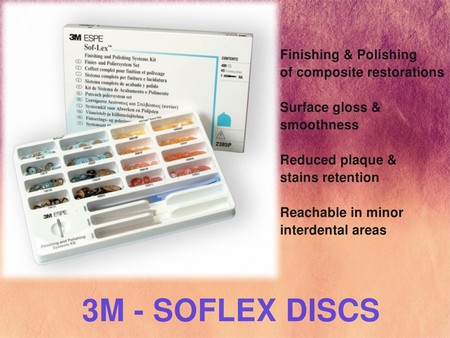
Removal of excess material & high points. With the help of a high-speed air rotor, merge all borders of the filling, use abrasive burs to finish the surfaces, and finally polish with advanced kits.

Polishing

Phase 4 & 5 - Follow Up & Maintenance

Step 8 & 9: Maintenance

Revisiting: Visit your doctor every 6 months to consult and see if there are any issues with old fillings.
Scaling: Maintaining oral hygiene is very important for longevity. Getting scaling done every 6 months is advisable.
Self-Care: Avoid biting any hard stuff from that particular tooth and avoid sticky food.

Maintenance

Frequently Asked Questions

How much time is needed for one tooth filling?

Usually, it takes a single appointment for a single filling. We need a total of 30 mins to 1 hour of working time.

What is Amalgam tooth restoration?

Dental amalgam is a metallic restorative material composed of a mixture of silver–tin–copper alloy and mercury. The unset mixture is pressed into a prepared tooth form and contoured to restore form and function.

Do we still perform amalgam restorations?

Amalgam has been used for about 150 years and is still used due to its low cost, strength, and bacteriostatic effect. But due to innovations of upgraded materials like resin-based cements (Composites), the use of amalgam has reduced drastically.

What are other materials available for tooth restorations?

1. Zinc Oxide Cement
2. Glass Ionomer Cement
3. Zinc Phosphate Cement
4. Zinc Polycarboxylate Cement
5. Composite Resin Cement
6. Resin modified glass-ionomer cement (RMGIC)
7. Compomers
8. Cermets
9. Indirect restorative materials - Porcelain Inlay.

Why are Composite tooth-colored restorations so popular?

"The superglue of dentistry." Composite resin is a plastic tooth-colored material. The process of fusing it to the tooth is called bonding. It is placed in layers, and an ultraviolet light hardens it so it can be chewed on immediately. The filling bonds directly to the tooth, requiring less cutting away of the natural tooth structure compared to amalgam.

What is the lifespan of any filling & do they fail?

Fillings have a finite lifespan. Avoiding new cavities is a highly important factor. Factors impacting failure include:
1. How well people keep their teeth clean.
2. Food habits (soft/hard/sticky).
3. Type of cavity class.
4. Following post-operative care instructions.
5. Shelf life of the material inside oral conditions.
Composite Restoration Options

Class 1 cavity Composite restoration

Class 1 cavity Composite restoration

Including Sterilization + Disposable accessories

Rs. 3500
Class 2 cavity Composite restoration

Class 2 cavity Composite restoration

Including Sterilization + Disposable accessories

Rs. 4500
Anterior Composite restoration

Anterior Composite restoration

Including Sterilization + Disposable accessories

Rs. 6000
Tooth Restoration, Cavity Filling in tooth

| Published:

Abstract: A dental restoration is also called a filling. It is the repair of a damaged or decayed tooth, restoring it back to its normal shape, appearance and function.

Tooth Restoration, Cavity Filling in tooth Recommendation: The name of the material that is used to repair a tooth is often the name given to the repair process. Tooth Restoration, Cavity Filling in tooth (Grade: strong recommendation; high-quality evidence).