Usually, it takes 30 mins to 1 hour for a routine scaling appointment. Depending on the amount of stains or calculus (e.g., tobacco, smoking, or coffee stains which are difficult to remove), it may be extended up to 2 hours.
The total cost for scaling is decided by the amount of time required and the amount of stains/calculus present on your teeth at the time of consultation. It will be communicated in advance before you opt-in for the procedure. Please refer to our Grade 1 / Grade 2 / Grade 3 pricing below.
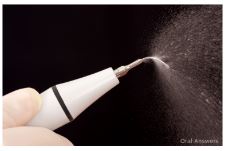
Dental scaling involves several steps to thoroughly clean the teeth and gums. The procedure begins with an examination where the dentist assesses the extent of plaque and tartar buildup. Next, an ultrasonic scaler is used to remove tartar from the tooth surfaces using vibrations and a water spray to wash away debris. Manual instruments may be used for finer cleaning. In some cases, root planing is performed to smooth the tooth roots and help the gums reattach.
There are two primary types: supragingival scaling and subgingival scaling.
Supragingival scaling focuses on removing plaque and tartar from the visible surfaces of the teeth, above the gumline. Subgingival scaling involves cleaning beneath the gumline, targeting the roots of the teeth and periodontal pockets. This is necessary for patients with more advanced gum disease.
Usually, it is advisable to get scaling done every six months. Not getting scaling done in time might prove costly in the future, as poor oral hygiene leads to dental caries or severe gum issues.
Scaling will not create any damage to your teeth or gums as the procedure is done using an advanced scaler machine which creates safe vibrations only. However, many patients complain of temporarily increased sensitivity in teeth immediately following the procedure.