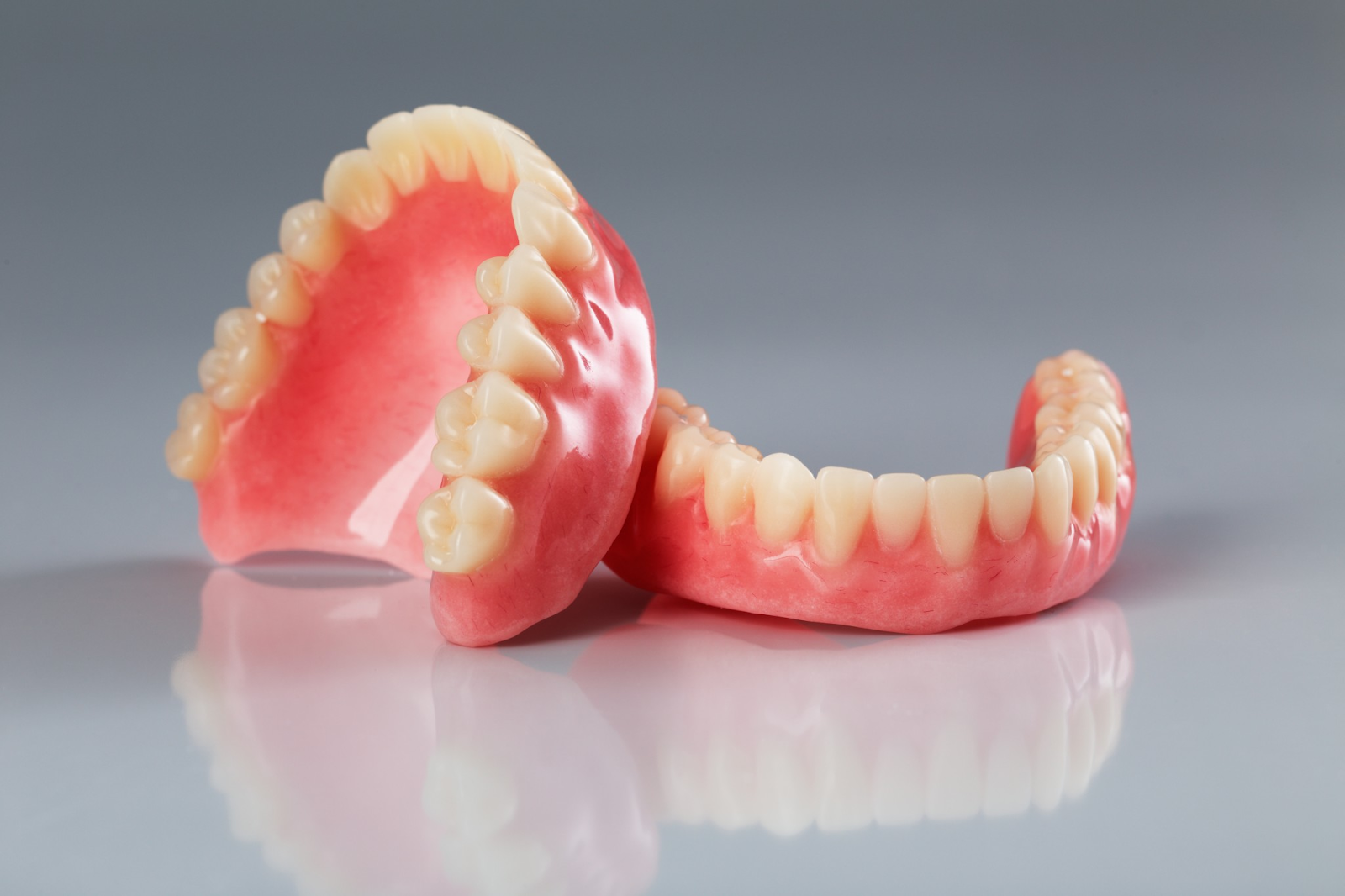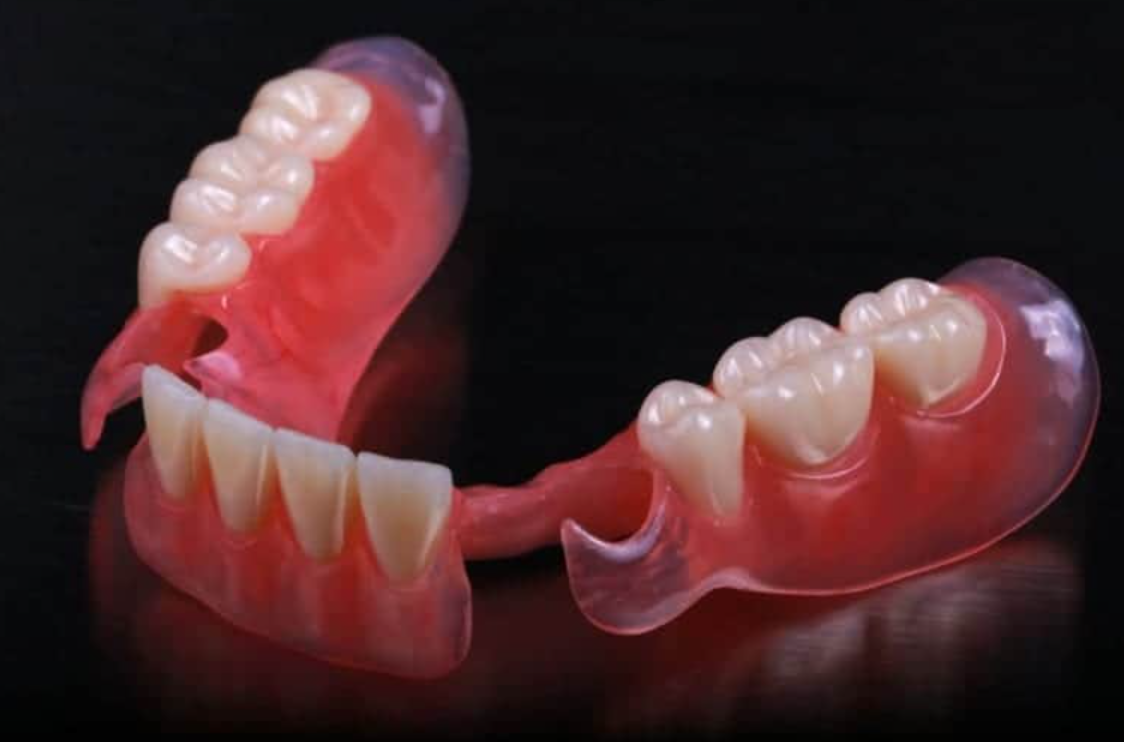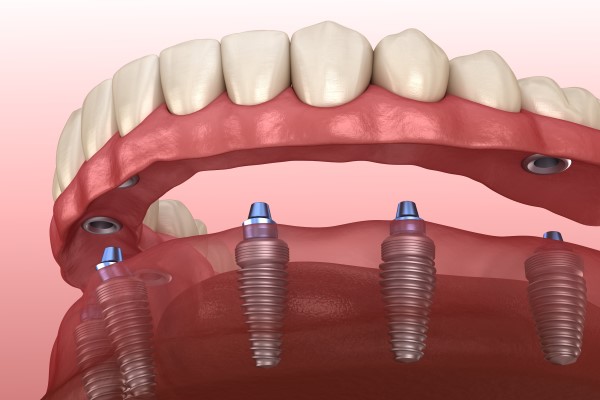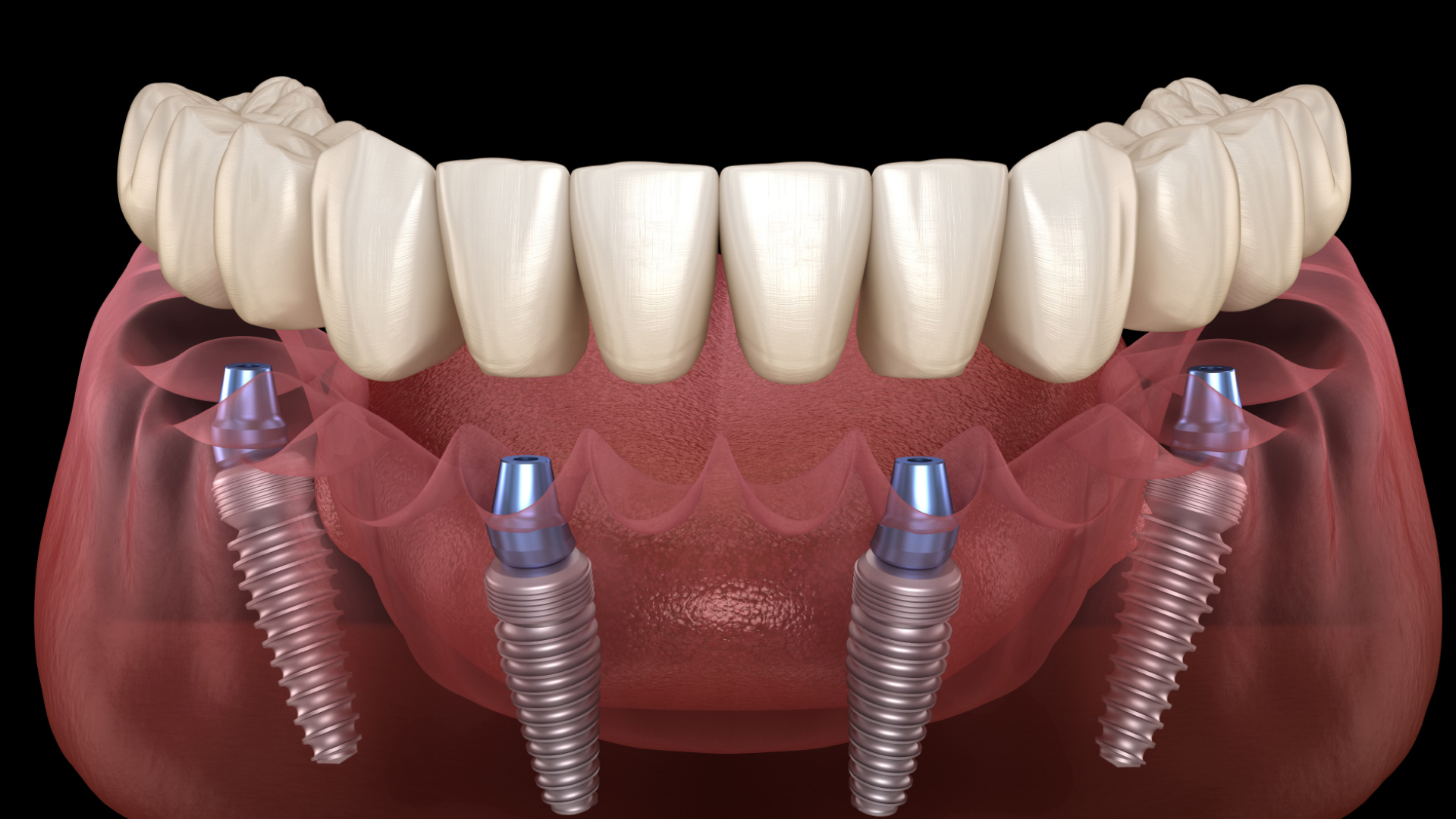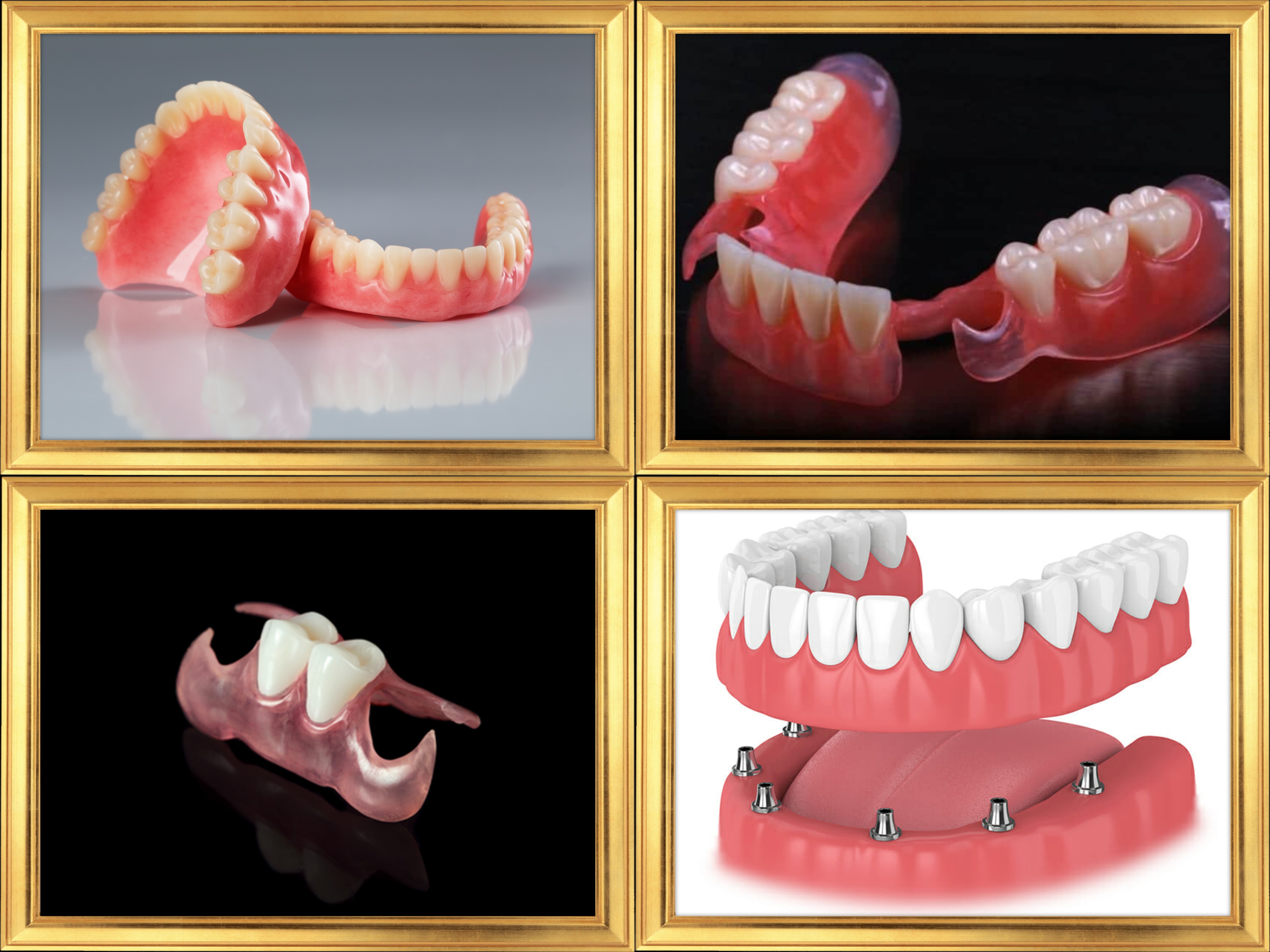
Complete dentures are custom-made for each individual patient. The process typically involves multiple visits to the dentist or prosthodontist. During these visits, impressions of the patient's mouth and measurements are taken to create a precise fit. Complete dentures are usually made from acrylic resin, a durable and biocompatible material. The color, shape, and size of the teeth are chosen to resemble natural teeth and match the patient's facial features.
There are two main types of complete dentures:
Conventional dentures: Made after the gums have fully healed following tooth extraction. Conventional dentures provide a more accurate fit because they are fabricated based on the final shape of the gums.
Immediate dentures: Made in advance and placed immediately after the extraction. While immediate dentures offer the advantage of not having to go without teeth during the healing period, they may require more adjustments as the gums and jawbone reshape.
Complete dentures rely on suction, saliva, and facial muscles for retention and stability in the mouth. However, they may require denture adhesives to enhance stability, particularly in the lower jaw, where retention can be more challenging.
It takes time for patients to adjust to wearing complete dentures. Initially, they may experience some discomfort, difficulty speaking, and altered chewing ability. With practice and time, these issues usually resolve as the patient's mouth muscles adapt to the dentures.
Cleaning: Use a soft toothbrush or a specially designed denture brush with non-abrasive denture cleaner to clean the denture daily.
Soaking: Soak the denture in an approved solution or plain water when not in use to keep it moist and maintain its flexibility.
Avoid Boiling Water: Do not expose the denture to hot water as it can distort the flexible material.
Regular Dental Visits: Regular check-ups are necessary to ensure the fit and function of the denture and to monitor oral health.
Even with complete dentures, regular dental visits are necessary. The dentist will examine the condition of the dentures, oral tissues, and provide professional cleaning. Regular check-ups help detect any potential issues and ensure the optimal fit and function of the dentures.
Initial Discomfort: Some initial discomfort or difficulty in speaking and eating may occur, but this usually subsides as the patient adjusts to the denture.
Soreness and Irritation: Often due to poor fit; adjustments by the dentist can alleviate these issues.
Loose Dentures: Adhesives or relining might be needed to improve the fit.
Staining: Avoid foods and drinks that can stain the denture. Regular cleaning helps.
Denture Fit: Over time, changes in the jawbone or gums can affect the fit of the dentures. Relining or adjustment by the dentist can resolve this.