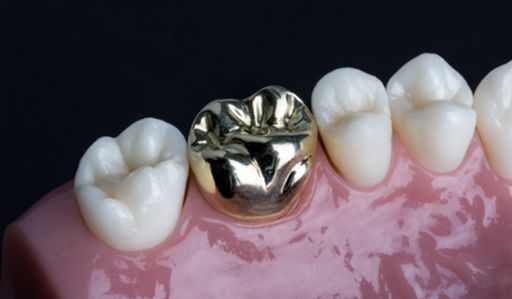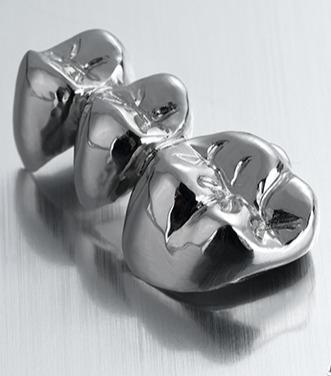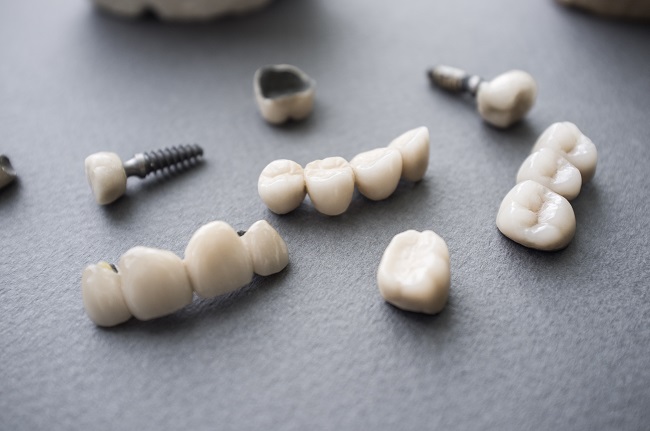
Crowns are used most commonly to entirely cover or "cap" a damaged tooth or cover an implant. In most cases, it is given after treating a tooth with root canal therapy or if a tooth is severely fractured.
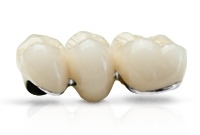
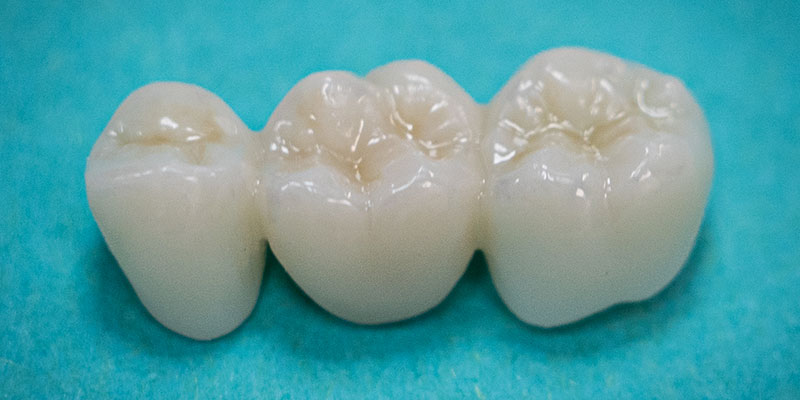
Dental Bridges are used most commonly to replace a missing tooth by taking support from adjacent teeth.
The point to remember here is while we prepare adjacent teeth, we are actually removing the enamel layer which is protecting the pulp along with dentin, so teeth may become temporarily sensitive after reduction from all sides. Avoid eating too cold or too hot food until we cement your final crown.
1. Your dentist will first prepare your tooth with the help of an air-rotor, which usually takes an hour.
2. A dental impression is taken with the help of dental custom trays and alginate / rubber base silicone impression materials.
3. Sent to the dental lab for processing.
4. It usually takes a week's time to manufacture a custom dental crown or dental bridge from the dental lab.
5. After getting delivery from the dental lab, we schedule an appointment for cementation, which usually takes 30 mins.
6. Sometimes another appointment may be needed to adjust the occlusal height of the new tooth and maintain occlusal balance.
The cost of a crown varies in each clinic. Basic points deciding cost include:
1. Experience of the dentist
2. Dental Lab technician's hand skills
3. Infrastructure of the dental lab (CAD-CAM technology)
4. Time given to make it
5. Choice of material used (Metal, PFM, Ceramic)
6. Technique of making (Layering or monolithic)
7. Warranty status.
Basically, they are divided into metal-based and metal-free.
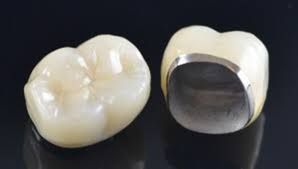
Metal-based crowns: All-metal crown, PFM (Porcelain fused to metal).
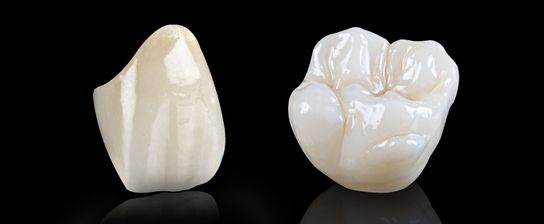
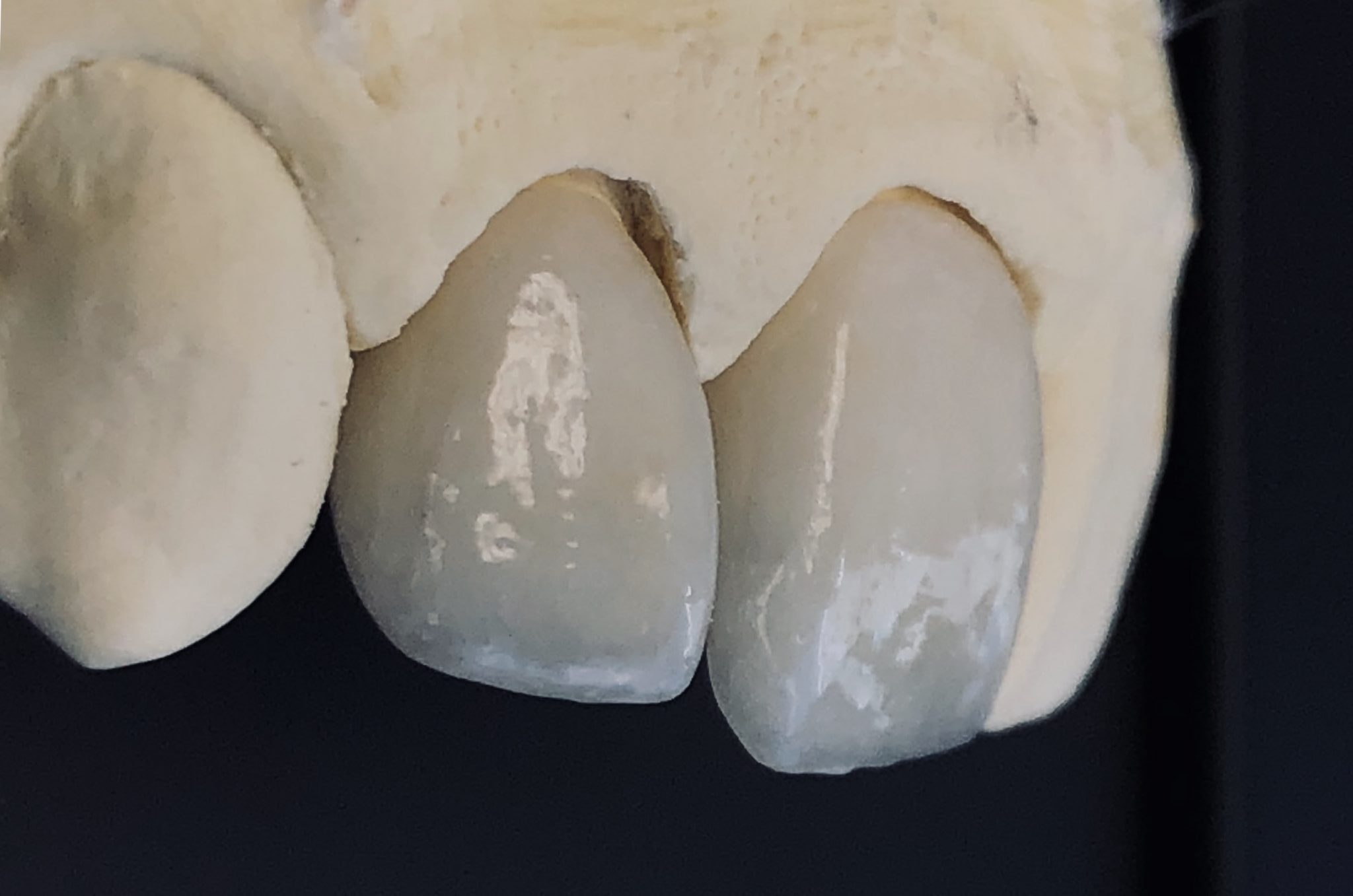
Metal-free crowns: Zirconia / all-ceramic crowns, BruxZir / Monolithic crown (High stress resistant), Zirconia + E.max (for anterior esthetic cases).
The best suitable crowns for a natural look and biocompatibility are all-ceramic / zirconia crowns.
The average lifespan is about 5 to 15 years, but if prepared properly by the dentist and maintained well with good oral hygiene by the patient, they can stay for more than 30 years—even lifelong.